What is Circular Design?
Please introduce yourself and your organisation
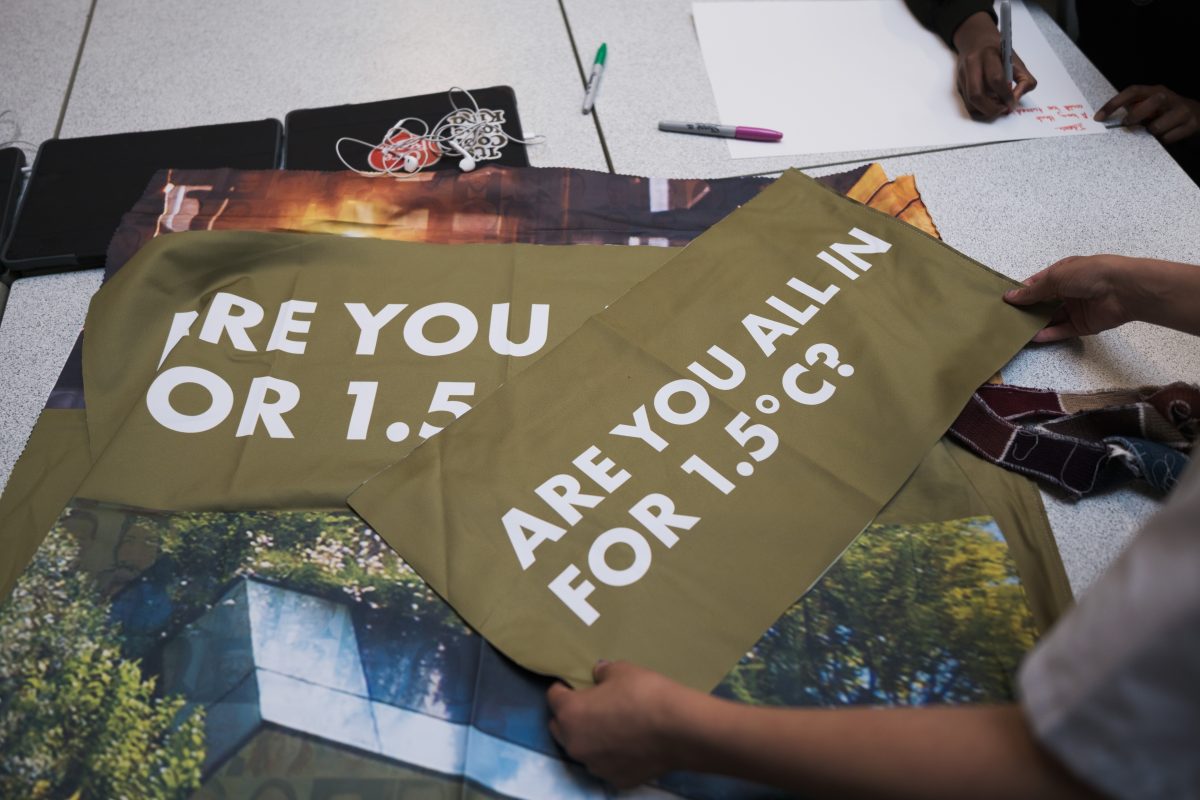
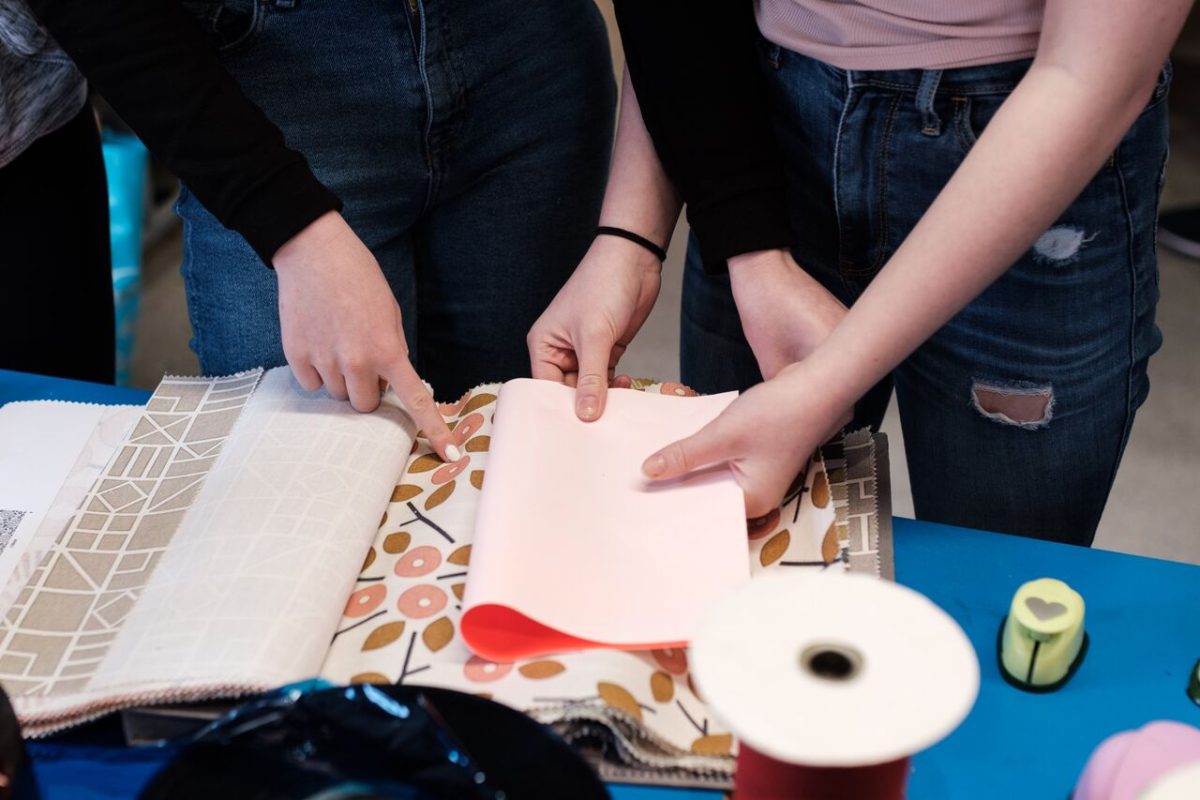
My name is Mary Michel and I am the Director and Co-Founder of Ostrero. My colleague Marian Brown and I founded Ostrero in 2016 to grow the Circular Economy through mindset change and education. We run “Making Circles” workshops in schools all over Scotland, where young people work with professional makers to understand and try out circular design ideas and how this can help us design for a more sustainable world. We also work with cultural organisations, universities and other businesses to embed circular approaches, like keeping materials at their highest value, or sharing equipment and resources.

What is Circular Design?
The Circular Economy is about designing, making and using materials differently to keep materials in use and at their highest value for as long as possible, for example preferring reuse and repair over recycling. A key element of the Circular Economy is circular design, where the whole lifecycle of a material, product or service is taken into account right from the start. Currently most design follows the principles of our Linear Economy, where we take a resource out of the ground, make something with it, use it (maybe only once or twice), before throwing it away, or at best recycling it. In contrast, circular design takes into account some or all of the following:
- Designing to Last
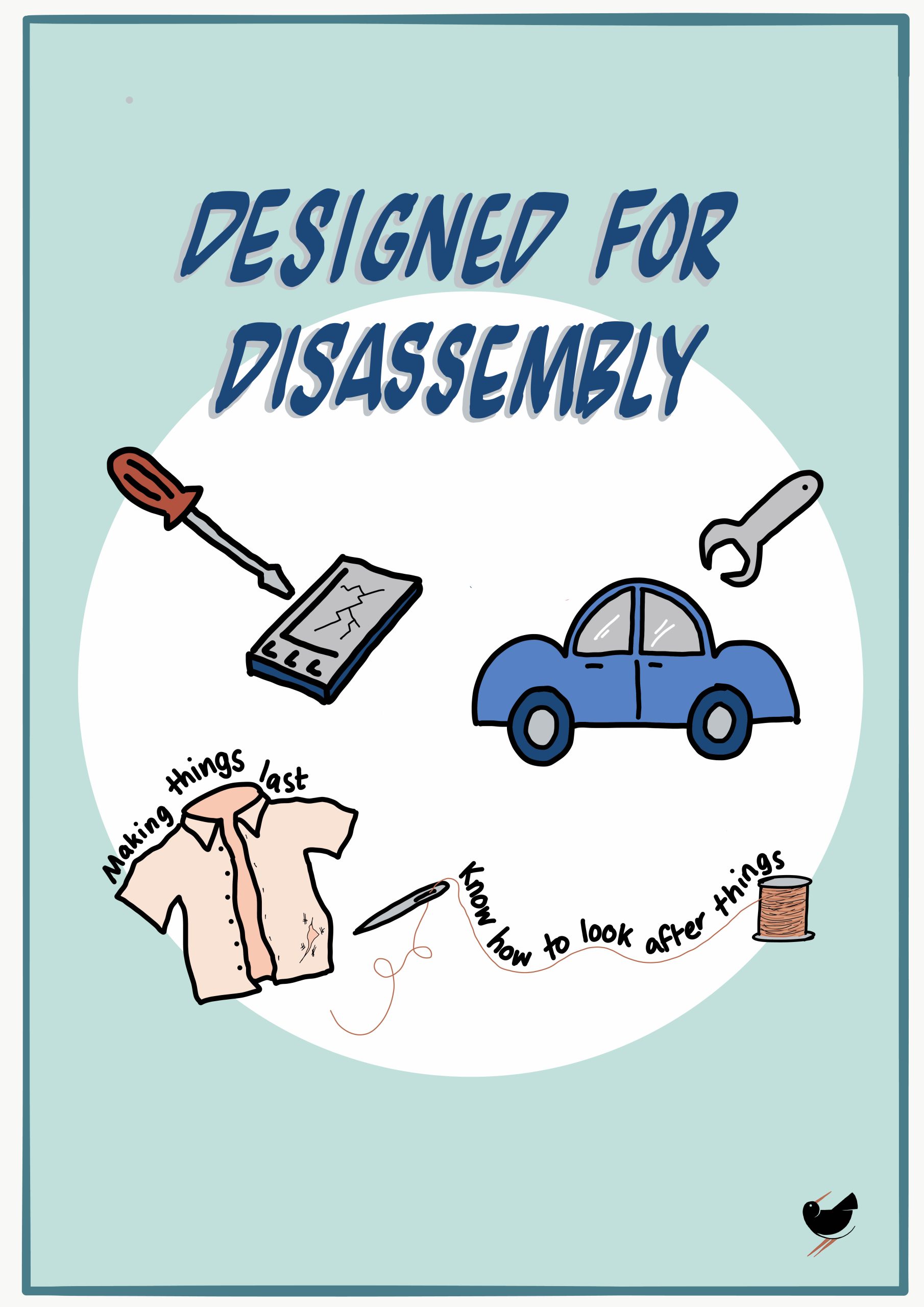
- Designing for Disassembly – making something easy to take apart so it can be repaired, updated, and all of the elements can be taken out again for reuse at the end of life
- Multi-functionality – ensuring one set of resources is doing as much as it can
- Modularity – creating items that can easily be reused with others
- Inspired by nature – there is very little waste in nature and this “biomimicry” can be used to inspire circular design
- Transforming waste to value – using materials that already exist instead of virgin materials
An example of this is mobile phone design. Currently most smartphones are not designed to be easily repairable – they can be hard to open up and difficult to find the right parts for. As a result, e-waste is one of the fastest growing waste streams in the world, and we see precious resources, including gold, literally ending up on the rubbish heap. In contrast, Dutch company Fairphone designs phones using circular design principles. They are “built to last”, designed to be easy to repair, upgrade one element such as the camera, and take apart at the end of life.
Why does it matter?
The Ellen MacArthur Foundation estimates that 80% of the environmental impact of a product is determined at the design stage. So if we take into account the whole lifecycle of the materials used right from the point of design, we can cut out the enormous amount of waste generated in the world each year (currently 2 billion tonnes each year according to the UN; that’s enough to go to the moon and back if laid end to end in shipping containers). This reduction in waste in turn reduces pollution and biodiversity loss. It also matters because the world’s resources are becoming scarcer and harder to extract, while at the same time we are expecting another 3 billion people on the plate in the next 30 years. So we urgently need to rethink how we use and share the world’s resources, now and in the future. Circular design is a great way of doing just that.
What advice would you give to a young person starting their career?
Circular design is a great way of making meaningful change through your practice. It can demonstrate to your customers or audience that you are making thoughtful and meaningful choices when considering how you design and make objects. It’s also a great way of making sure you are being really efficient with resources so you can save yourself money. So I would definitely recommend adopting circular design practices. You can then think about developing this through sharing equipment and resources and offering repair or takeback services. It’s good for the planet, your practice and your business!
Where can people find out more?
You can find out more about the Circular Economy at the and at the Ellen MacArthur Foundation’s guide to circular design and at our own website, Ostrero.