Kate Holland Wins the QEST Award for Excellence 2026
8th June 2026
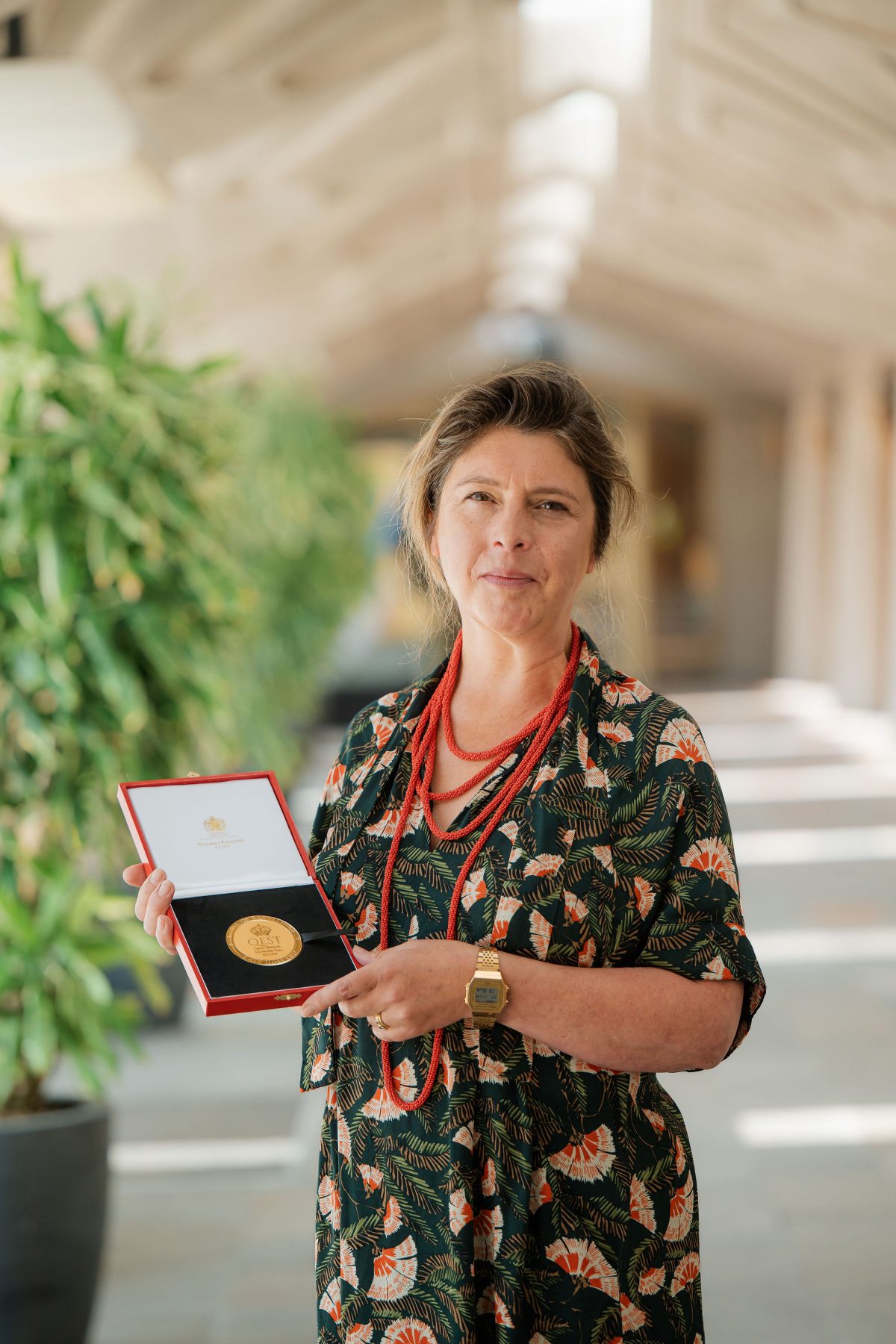
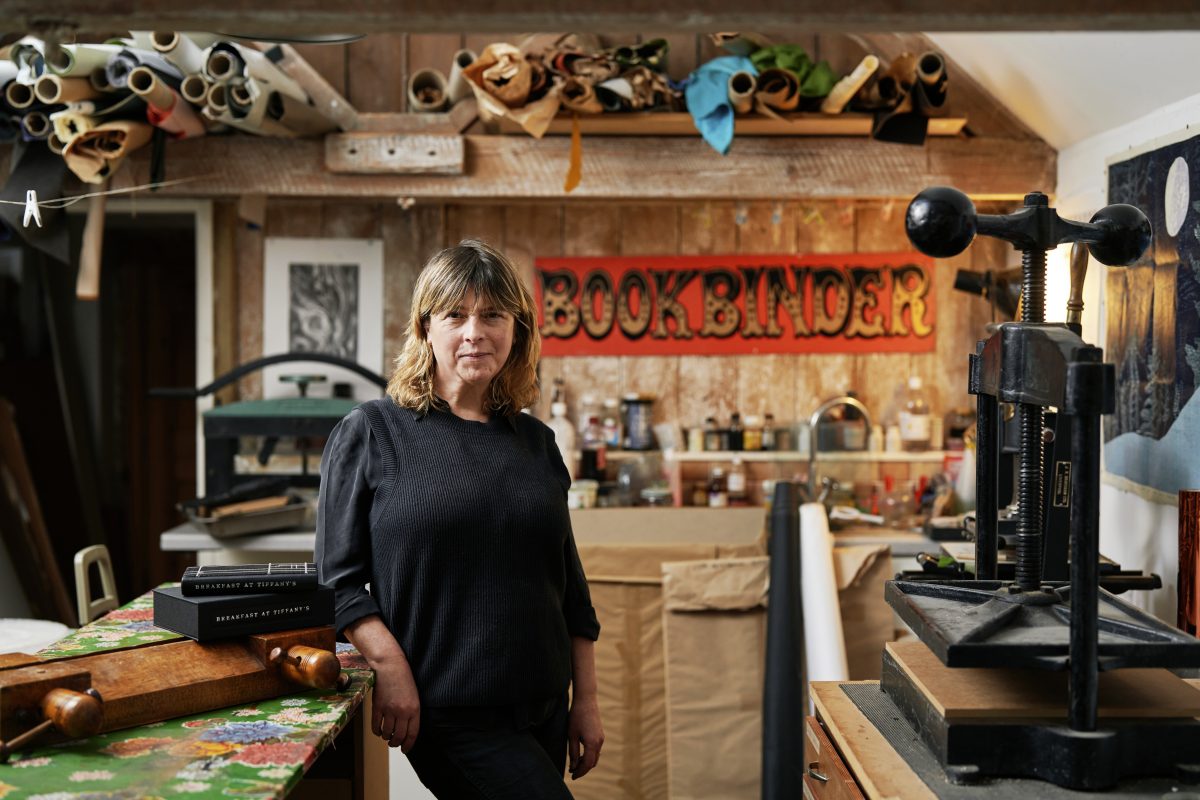
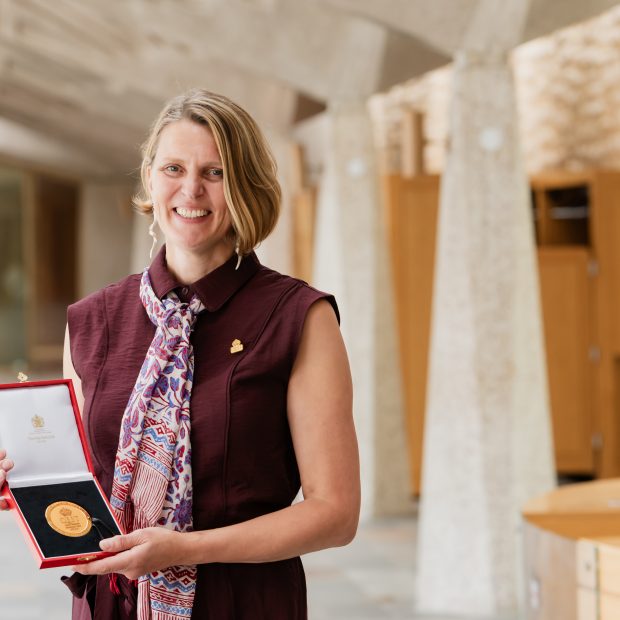
We’re delighted to share that bookbinder Kate Holland has received the QEST Award for Excellence, recognising her outstanding contribution to craft and dedication to nurturing the next generation. Kate, the 14th recipient of the award, was honoured at the RWHA & QEST Annual Luncheon at the Guildhall, where she received a medal crafted by Thomas Fattorini Ltd alongside a £1,000 cash prize. We spoke to Kate about what this recognition means to her and reflected on her craft journey.
What does receiving the QEST Award for Excellence mean to you and your practice?
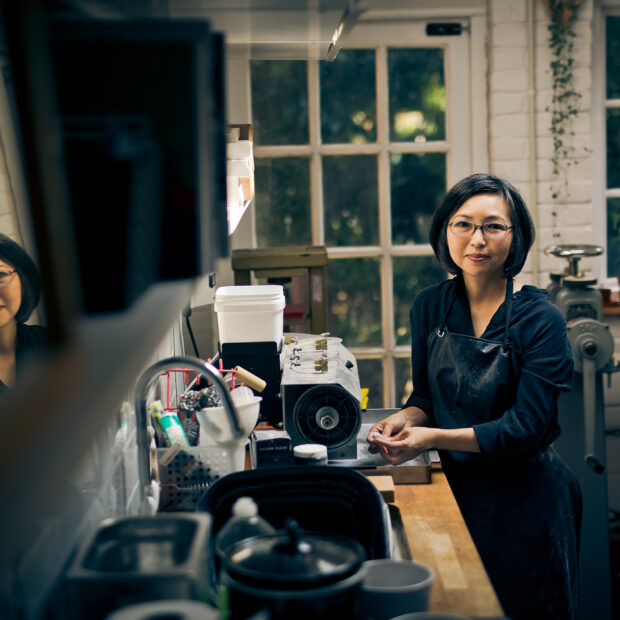
I recall attending this very ceremony at the Guildhall as a QEST Scholar in 2024 when Kayo Saito received the Award for Excellence. I remember sitting there thinking what an extraordinary accolade it was and wondering what someone had to do to reach that level of recognition. Well, now I know! And it makes receiving it myself feel even more surreal and deeply meaningful.
Looking at previous nominees and recipients, they are makers whose work I’ve admired for years, people who have dedicated themselves not only to extraordinary craftsmanship, but also to keeping their disciplines alive and evolving. To be recognised alongside them is incredibly humbling.
Bookbinding can sometimes feel like quite a quiet and largely unrecognized corner of the craft world, so having the craft acknowledged in this way feels especially important to me. What I’ve always loved about the Queen Elizabeth Scholarship Trust is that it values not just technical skill, but also generosity, mentorship and the future of craft in Britain. I’ve felt hugely supported by that community, and it has had a real impact on both my confidence and the direction of my practice. Something inside me really has shifted and I feel emboldened to continue pushing the boundaries of what contemporary bookbinding can be.
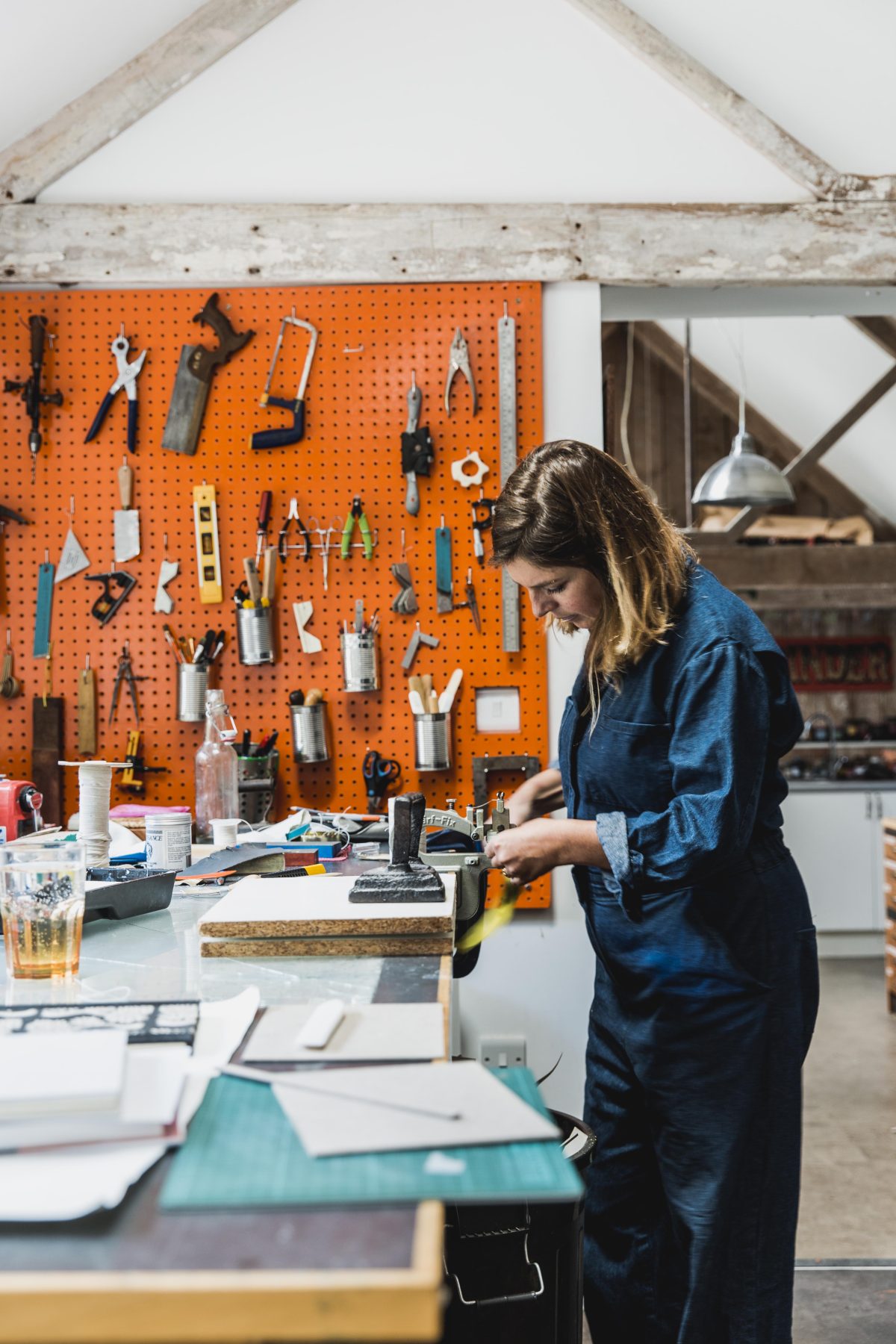
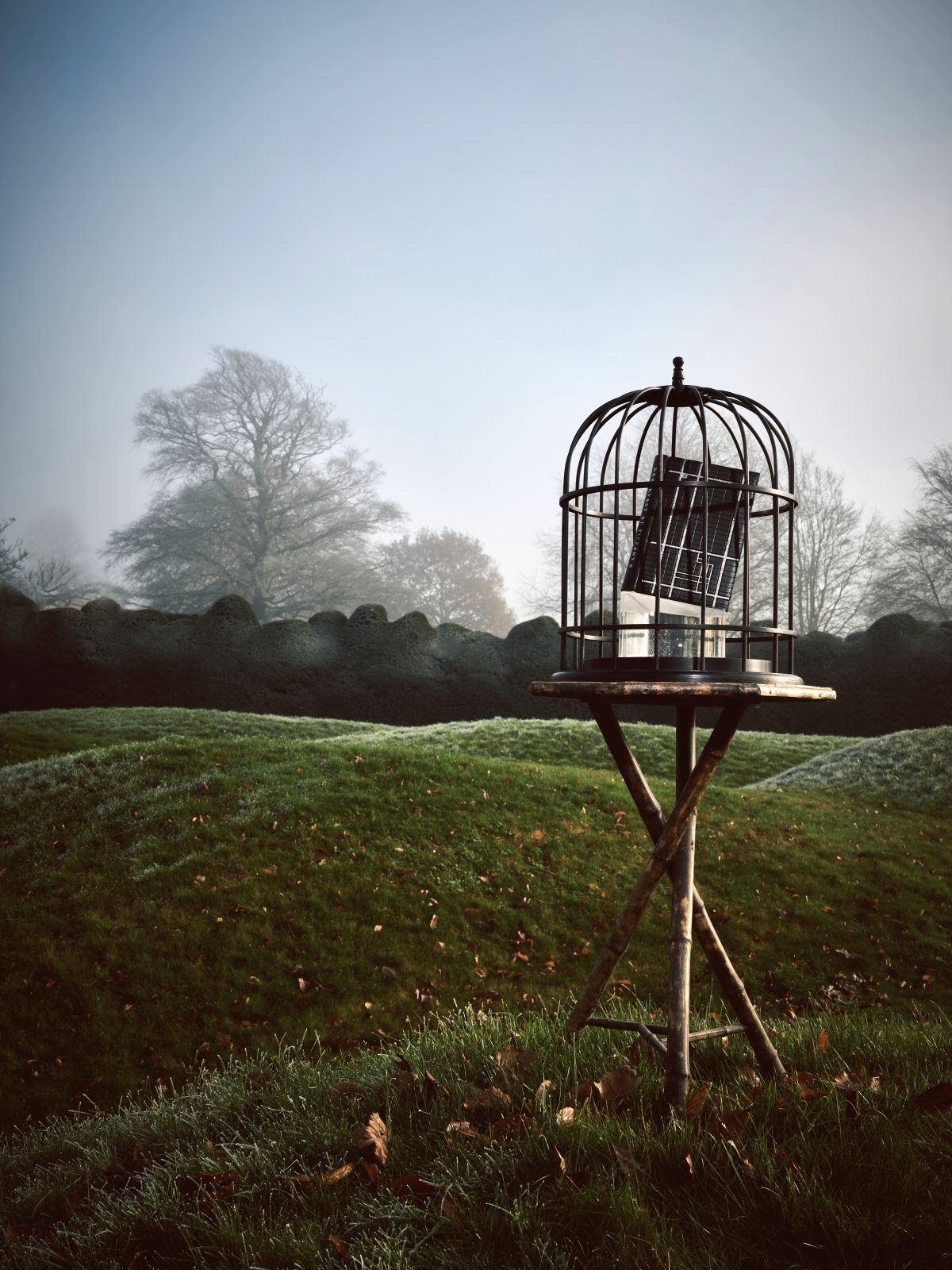
You became a QEST Penhaligon’s Scholar in 2023. How did the training shape your approach to bookbinding and what impact has it had on your practice?
While British bookbinding has its own strong traditions and character, working more closely with continental fine binding practitioners has made me increasingly aware of the level of refinement and precision in the French approach.
There’s a particularly rigorous emphasis on constructional accuracy, perfect gold tooling and finishing and an overall finesse that has pushed me to raise standards throughout my whole practice.
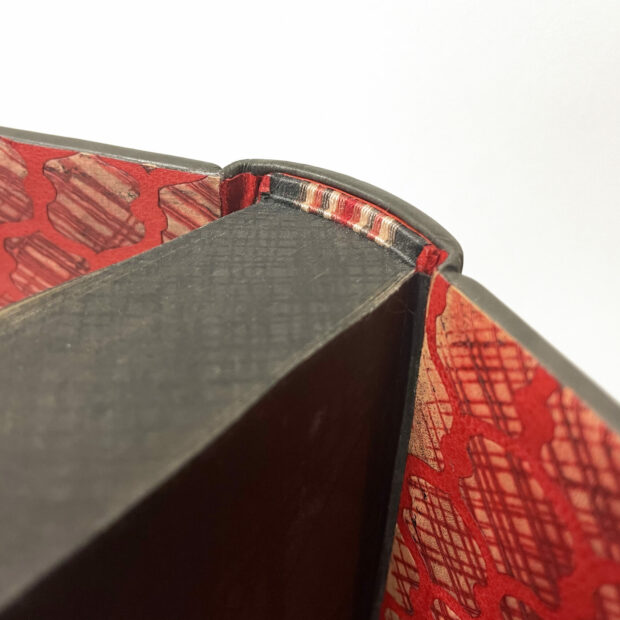
I also wanted to spend time learning the chemise/étui enclosure system, which doesn’t have a direct equivalent in traditional British bookbinding. These kinds of protective and conceptual structures add another layer to how a book can be presented and experienced, not just as an object but as a complete system.
Rather than seeing British and French as separate or competing traditions, I now think of them as complementary. My QEST scholarship allowed me to study these differences in depth, and I’ve started to bring elements of that precision and thinking into my own practice and teaching. It’s been less about replacing one approach with another, and more about expanding to what feels possible within contemporary bookbinding.
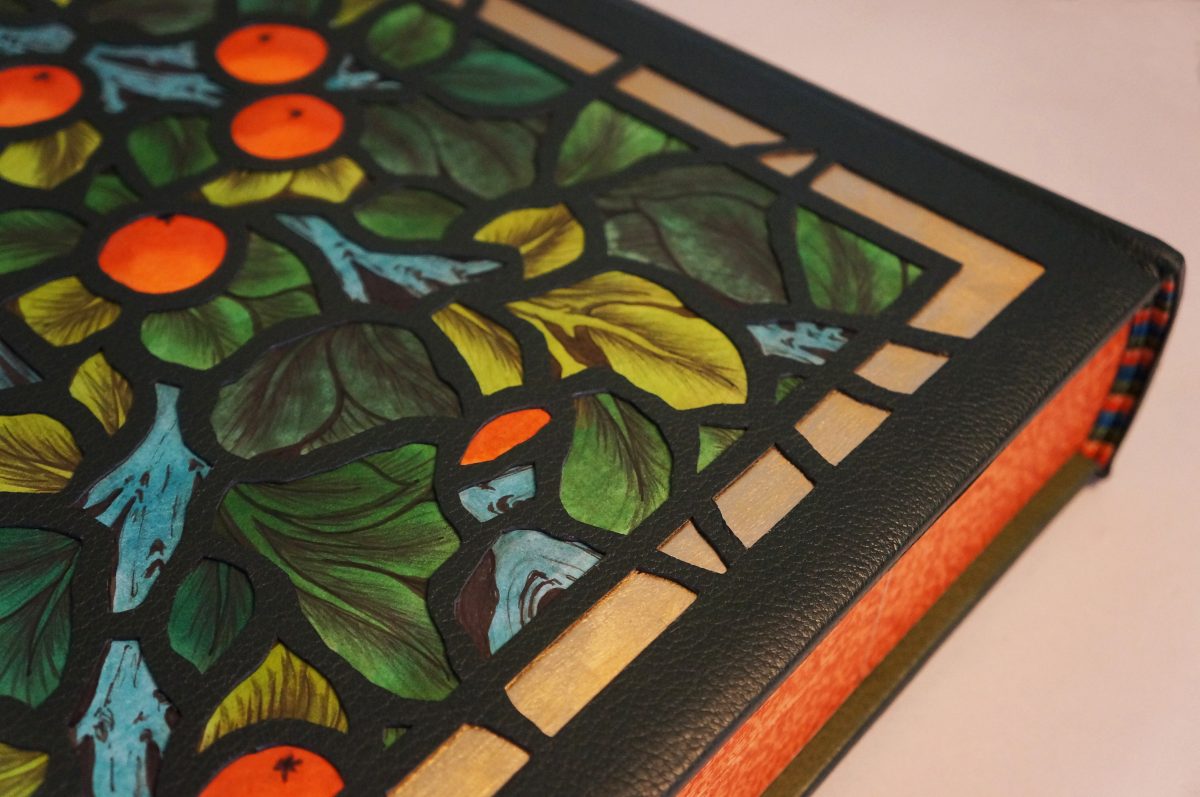
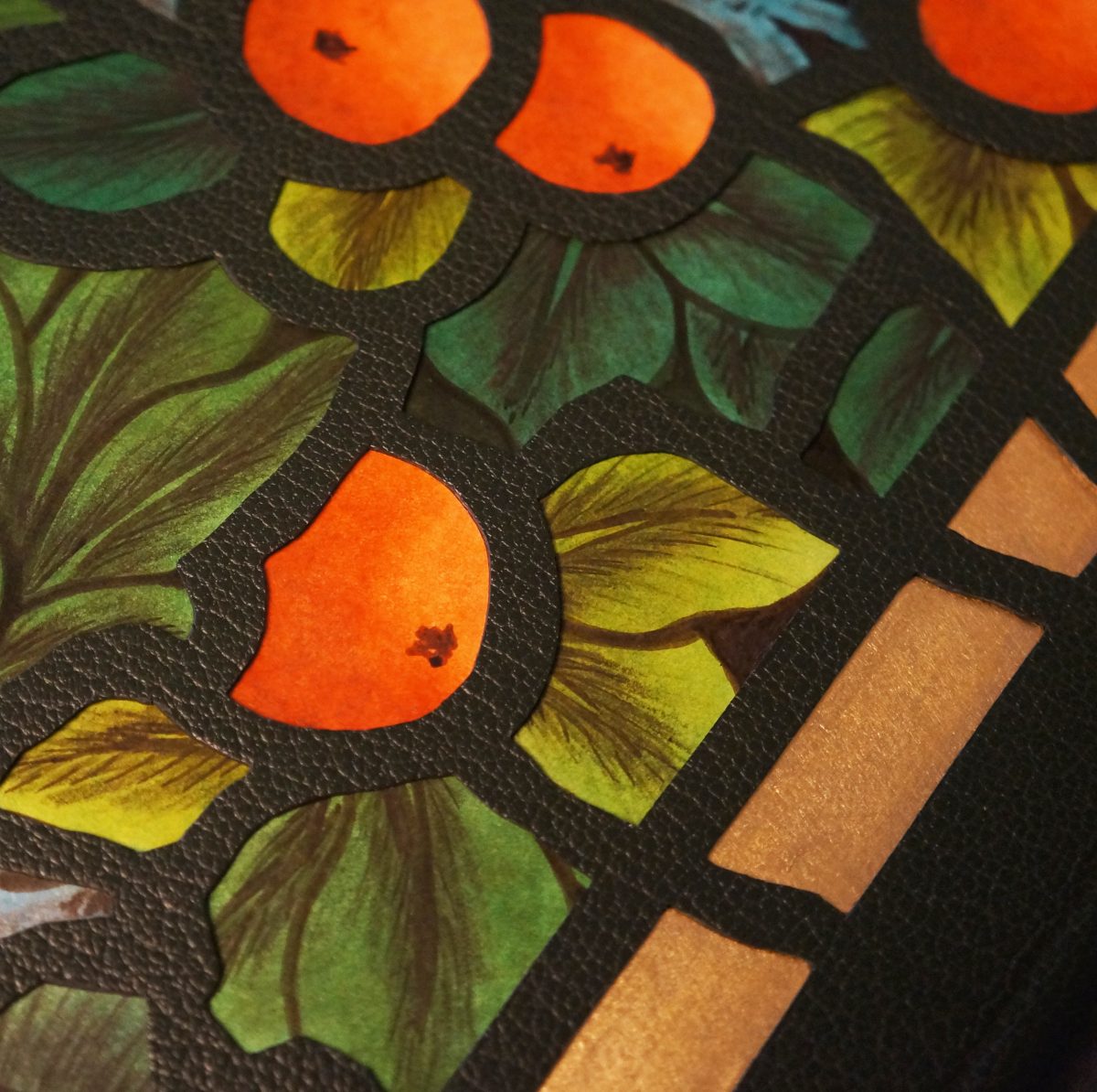
You’re also part of this year’s Homo Faber Fellowship, of which QEST is the UK partner. Can you share a standout moment so far?
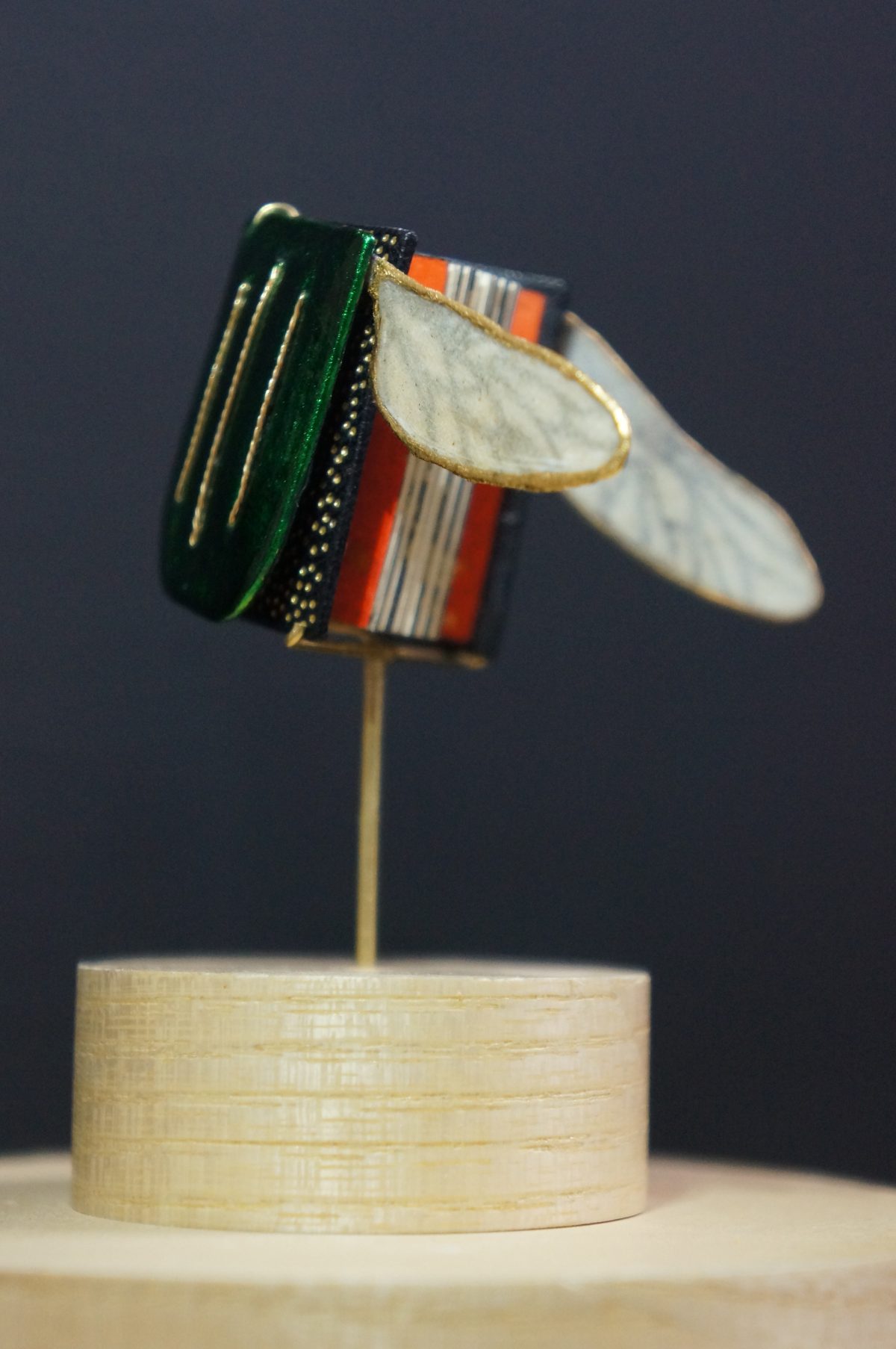
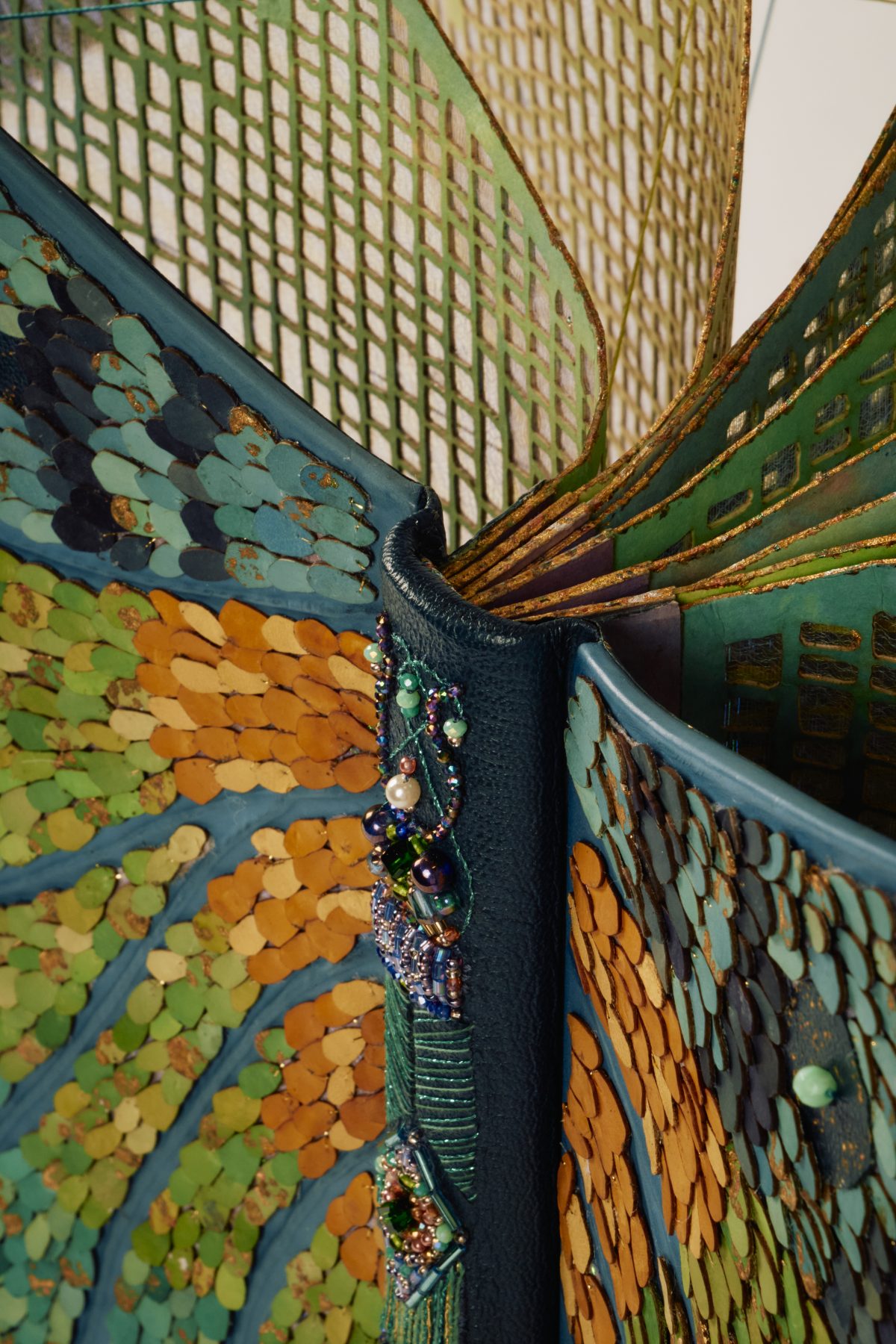
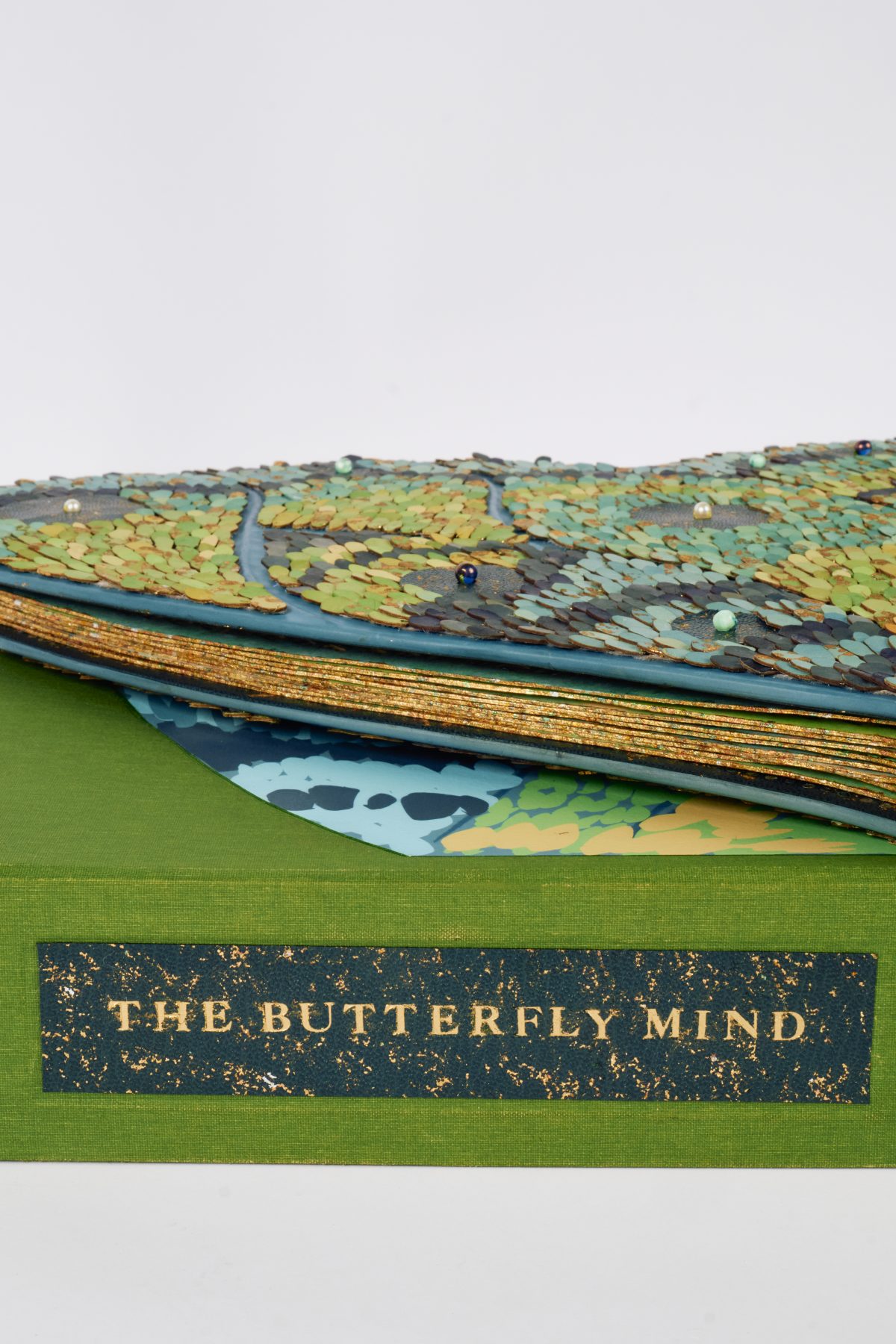
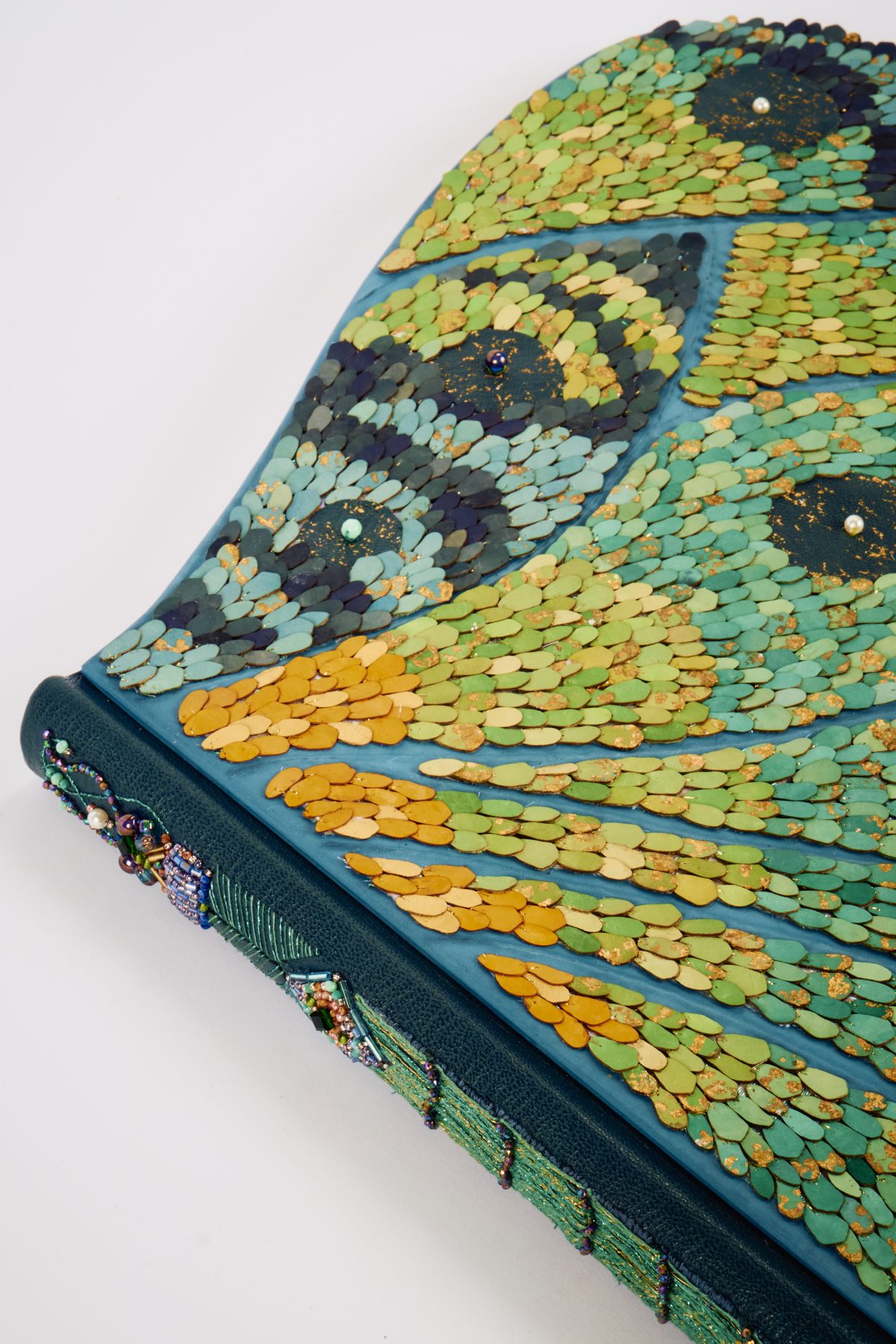
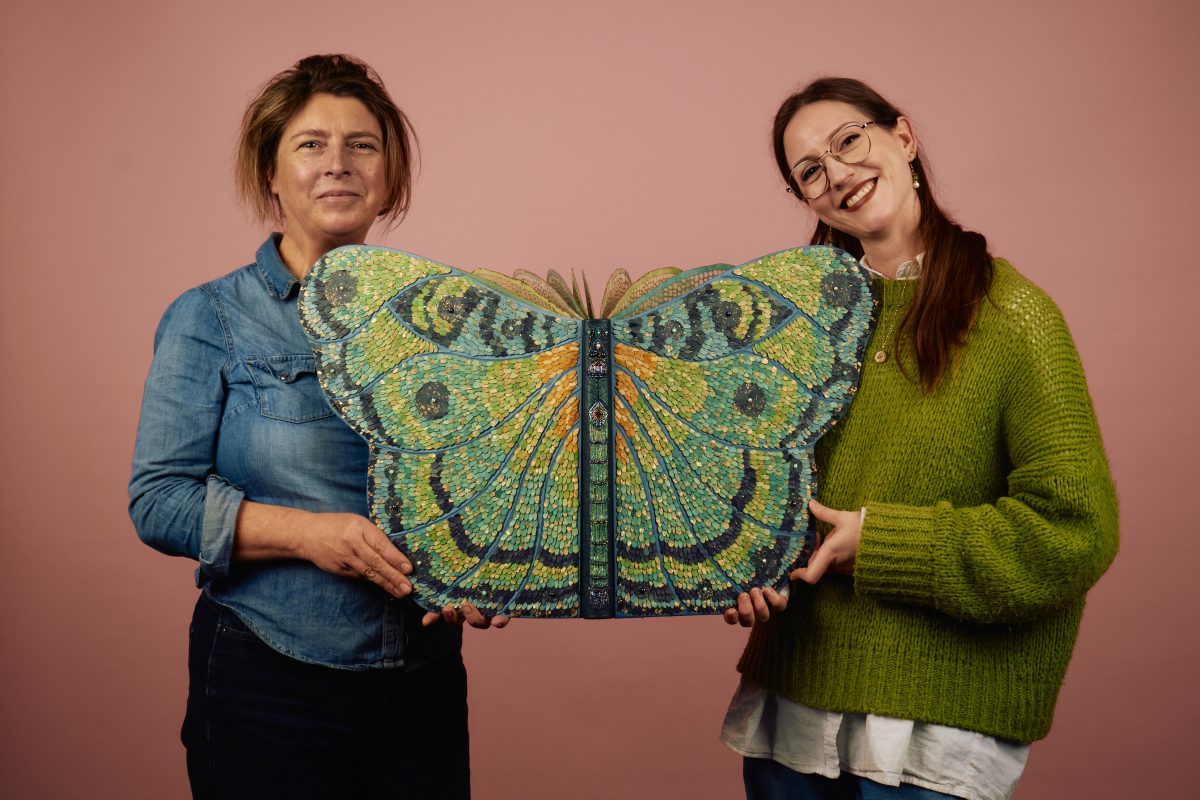
The Homo Faber Fellowship teams master artisans from around the world with upcoming students of the chosen craft. One of the most rewarding parts of the Fellowship was working closely with my apprentice, Emma Vukman, over the past six months on a co-creation, The Butterfly Mind, a one-off sculptural book based on macrophotography of the scales on a butterfly’s wings.
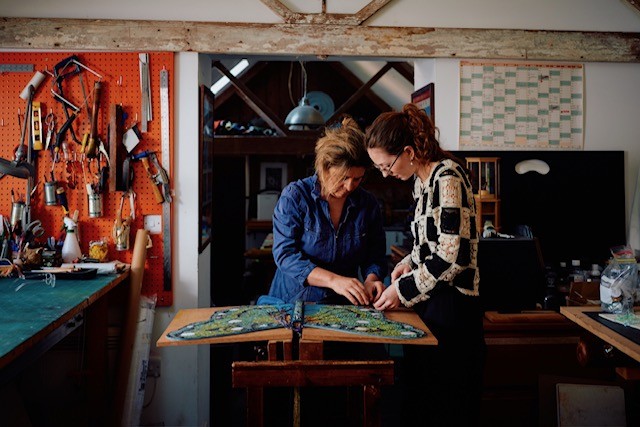
The work grew out of a shared conversation about neurodiversity and creativity. I was often described as having a “butterfly mind”, that constant movement of ideas that can feel chaotic or overwhelming but also completely essential. I have also often been told that I need to pare my ideas back and put less on a book, so this was an opportunity to celebrate ‘too many ideas’ whilst still taming them into a cohesive whole. This was an entirely new structure and the making process was highly collaborative, moving through repeated cycles of prototyping, testing and refinement. I acted as the principal architect, shaping the structure, materials and overall direction, while Emma brought her expertise in embroidery, beading and digital design as well as many hours of patient stitching.
A real standout moment was showing The Butterfly Mind as part of a group exhibition during Milan Design Week. It was such a personal project and seeing it in that context, and watching people engage with it, mentally and physically, was incredibly rewarding.
Also seeing the craft of bookbinding, so often overlooked, presented on an international design stage was thrilling. It reinforced the idea that contemporary bookbinding has a powerful place within wider conversations around art, craft and design today. It is shortly to be en route to Copenhagen to be exhibited as part of 3daysof design festival.
Why is passing craft skills on to the next generation so important within bookbinding today?
Passing skills on is, and always has been, absolutely essential to the craft of bookbinding. Until very recently, there were no college courses left in the UK. Many programmes had been closed down in favour of digital disciplines, with traditional hand skills increasingly seen as outdated or out of step with contemporary education. Like so many craft disciplines, bookbinding risked losing not only specialist knowledge, but also visibility to younger generations entirely. Creating opportunities for students to encounter the craft has therefore become incredibly important to me.
Through Designer Bookbinders, we developed the Transferring Design programme, supported by The Printing Charity and The Leathersellers, to introduce bookbinding to art students across the country. As one of the inaugural tutors, I’ve spent the past three years delivering workshops at Bath Spa University to hundreds of students from a wide range of disciplines, including graphic design, photography, fine art and creative writing. What has been particularly rewarding is seeing genuine enthusiasm grow from those introductions. We’ve now established an official bookbinding department at the university, with funding for a full-time technician and opportunities for students to continue into more advanced training. Recently, four students exhibited their bindings during London Craft Week, and two received training grants to spend time in professional binderies. One of those students, Gabriela, is now working alongside me in my studio, which feels like a very tangible example of how these opportunities can directly support the future of the craft.
I also helped establish the FDA Books and Bindings programme at West Dean College of Arts and Conservation, where I now teach. Demand for places has grown significantly in recent years, which is hugely encouraging.
One of the most important aspects of my QEST scholarship experience has been bringing those skills back to the UK through teaching, private tuition and masterclasses. I’m also currently writing a practical book that will share some of these techniques and demonstrate how they can be incorporated into contemporary practice.
What is often forgotten is that bookbinding was once an integral part of British primary school education. It teaches an extraordinary range of practical and creative skills, including but not limited to measuring, cutting, folding, estimating, sequencing, material understanding and hand-eye coordination, alongside patience, problem-solving and attention to detail. These are deeply valuable skills that extend far beyond the bindery, and I believe they deserve far greater recognition within education today.
For me, passing on skills is not simply about preservation. It’s about ensuring that bookbinding continues to evolve, attract new voices and remain a living, relevant and ambitious craft for future generations.
Looking ahead, what’s next for you, and what excites you most about the future of bookbinding?
I’m currently working on several short run editions, alongside a steady flow of commissions and teaching, and I feel like I’m getting to the point where my practice is expanding beyond just me and I need to start thinking more seriously about how to sustain the studio long-term, including the possibility of taking on a part-time assistant.
I’m also writing a how-to, step-by-step, image heavy book documenting the process of contemporary fine bookbinding, with a second publication potentially in development, and I am excited to be leaving behind a legacy to enthuse and educate future generations. Through the Homo Faber Fellowship and with Emma’s invaluable assistance, I have created a series of introductory YouTube videos on basic bookbinding, intended for BSU students but available to all, and I’d like to expand that into more advanced content in time.
I’d also like to see bookbinding education broaden significantly. I’m interested in taking the craft beyond its traditional Western centres, particularly into Africa and Asia, where I think there is huge potential for exchange, dialogue and cross-pollination of techniques and ideas. And closer to home, I’d love to see elements of bookbinding reintroduced into earlier education, because it teaches such fundamental, transferable skills.
What excites me most about the future of bookbinding is that it feels both deeply traditional and unexpectedly current.
I’m seeing more and more new publishers coming into the market producing finely crafted, limited editions, with handmade paper, letterpress printing, analogue illustrations and hand binding. Even the larger publishing houses are investing in the physical book as an object in its own right. I’m currently working on a project with Macmillan.
At a moment dominated by digital and AI-driven processes, there’s a real return to the value of the handmade object, not as nostalgia but as something people are actively seeking out again, especially amongst younger generations through social media platforms. I feel well placed to shape what that next chapter looks like.