The Future is Human Made: Hands, Work, Power
6th October 2026
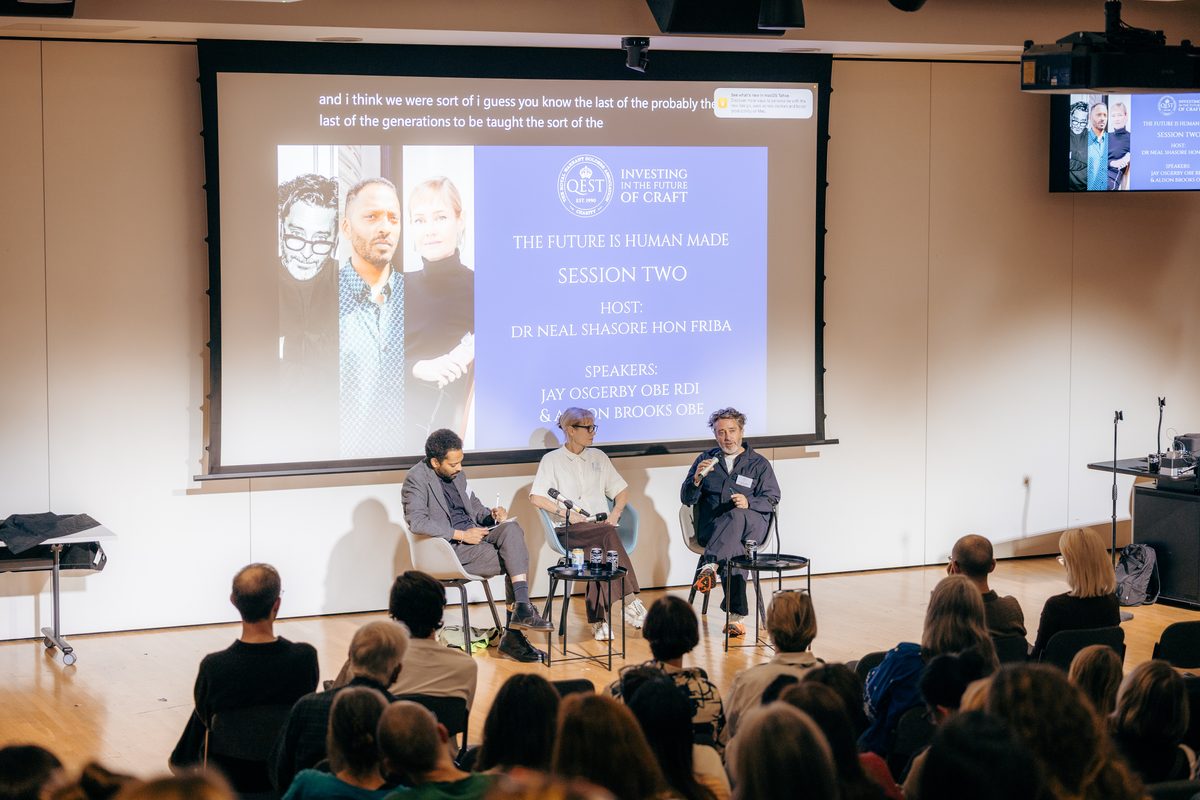
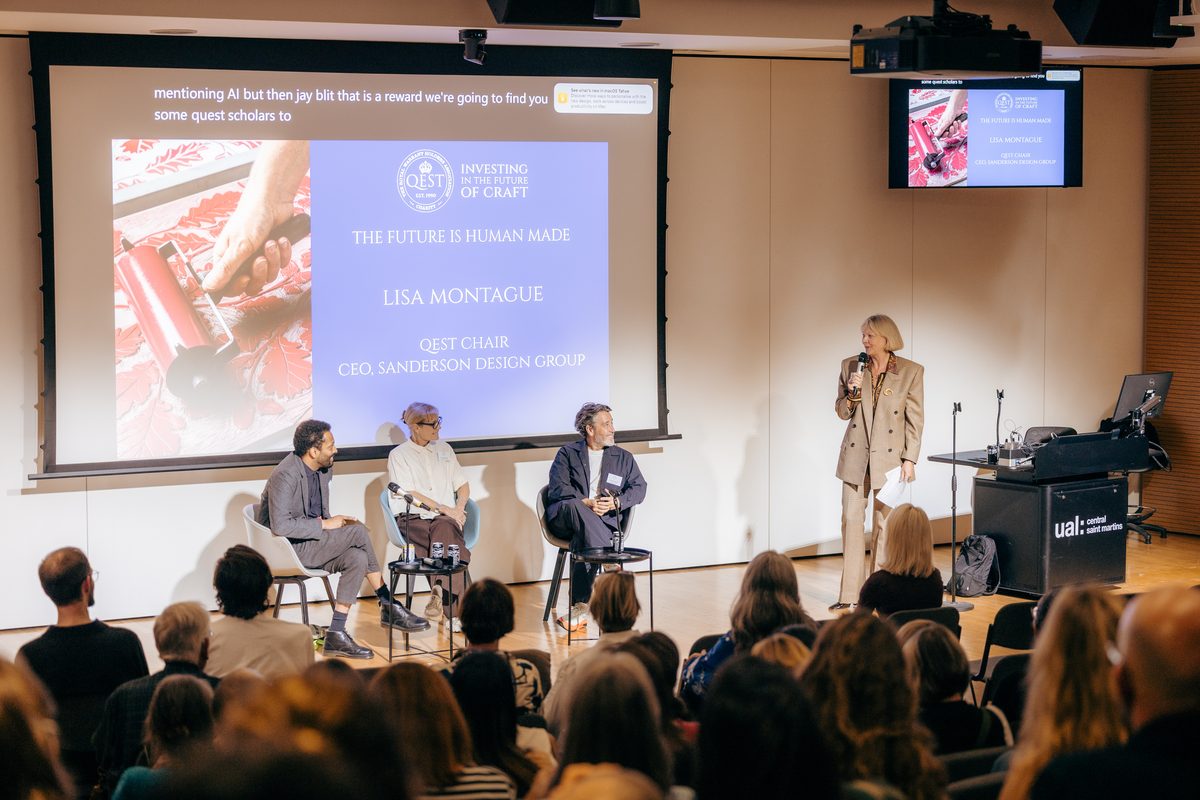
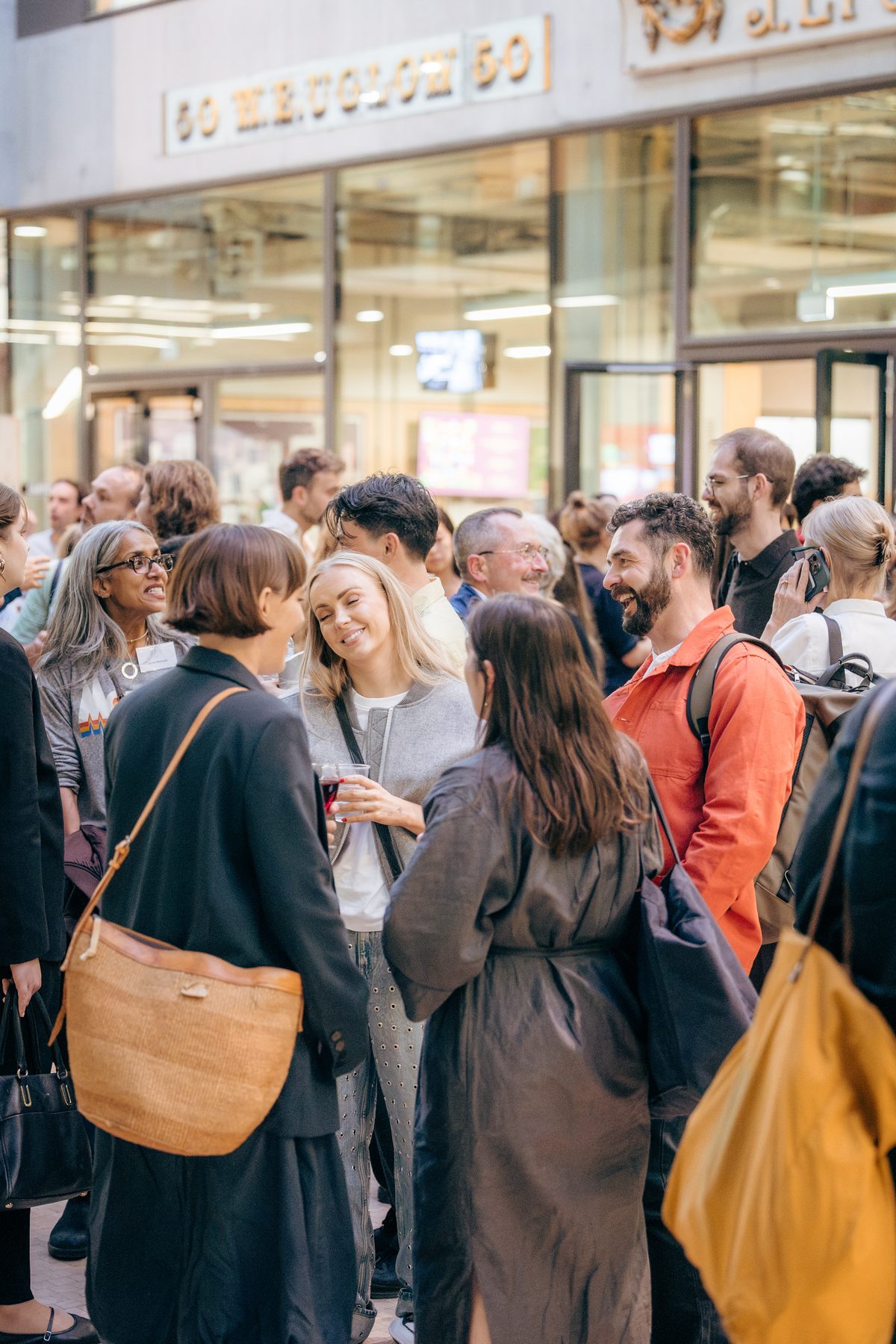
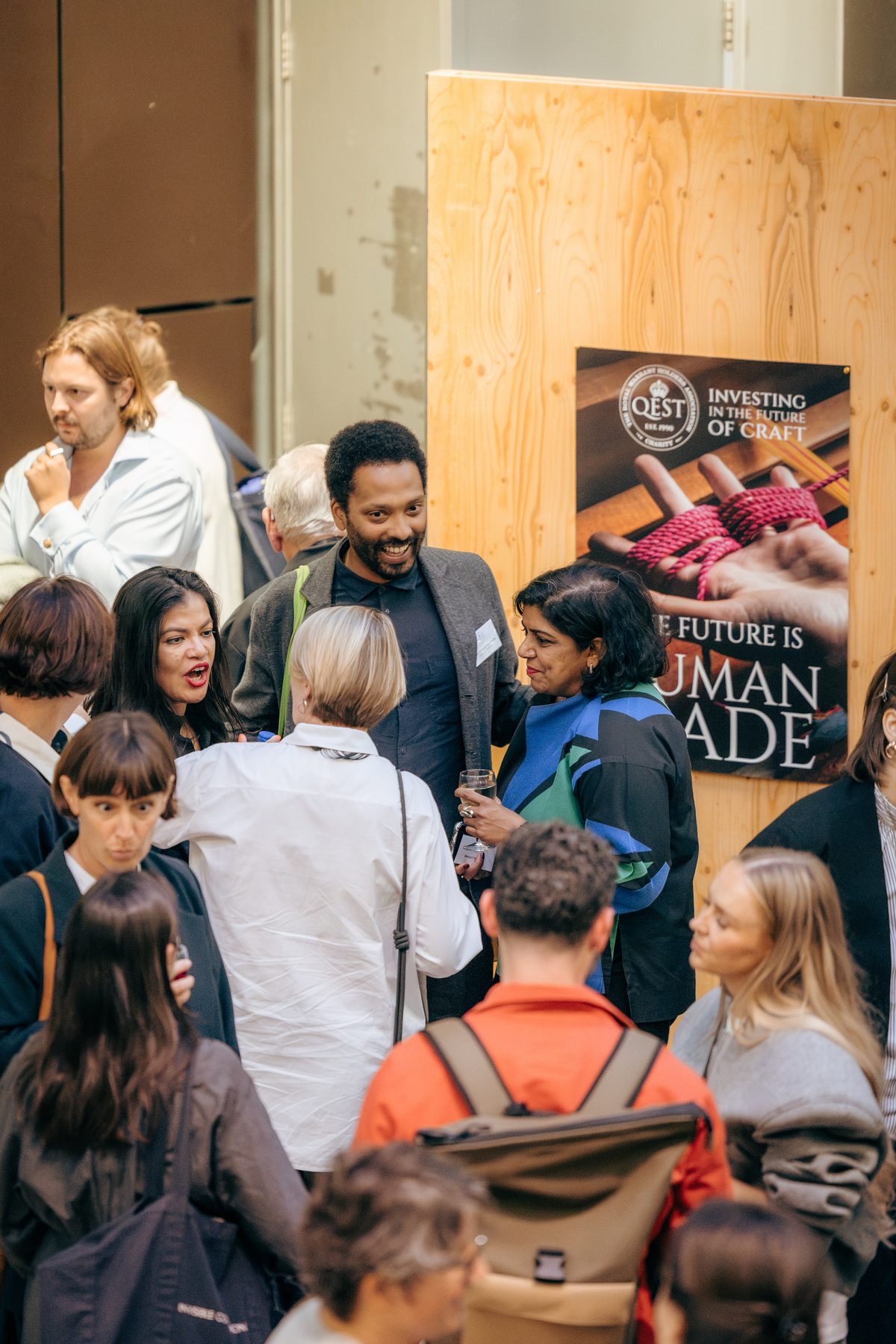
The inaugural symposium, The Future is Human Made: Hands, Work, Power, brought together leading thinkers, makers and designers to consider the value of human skill in an increasingly automated world. Across the evening, speakers explored what skills and knowledge we value, why they matter, and what role craft can play in shaping a more sustainable and equitable future.
Automation was once imagined as a way to free people from repetitive and physically demanding work, creating more time for creativity, purpose, leisure and making. As technology continues to develop, however, humans are increasingly competing with machines in areas that were once considered uniquely human.
The symposium challenged the idea that this future is inevitable. Instead, it placed craft at the centre of conversations about work and economic development, asking how practical knowledge, skilled hands and human creativity can help us shape the future on our own terms.
The title The Future is Human Made is both an assertion and a call to action: the future is in our hands, and it is ours to shape.
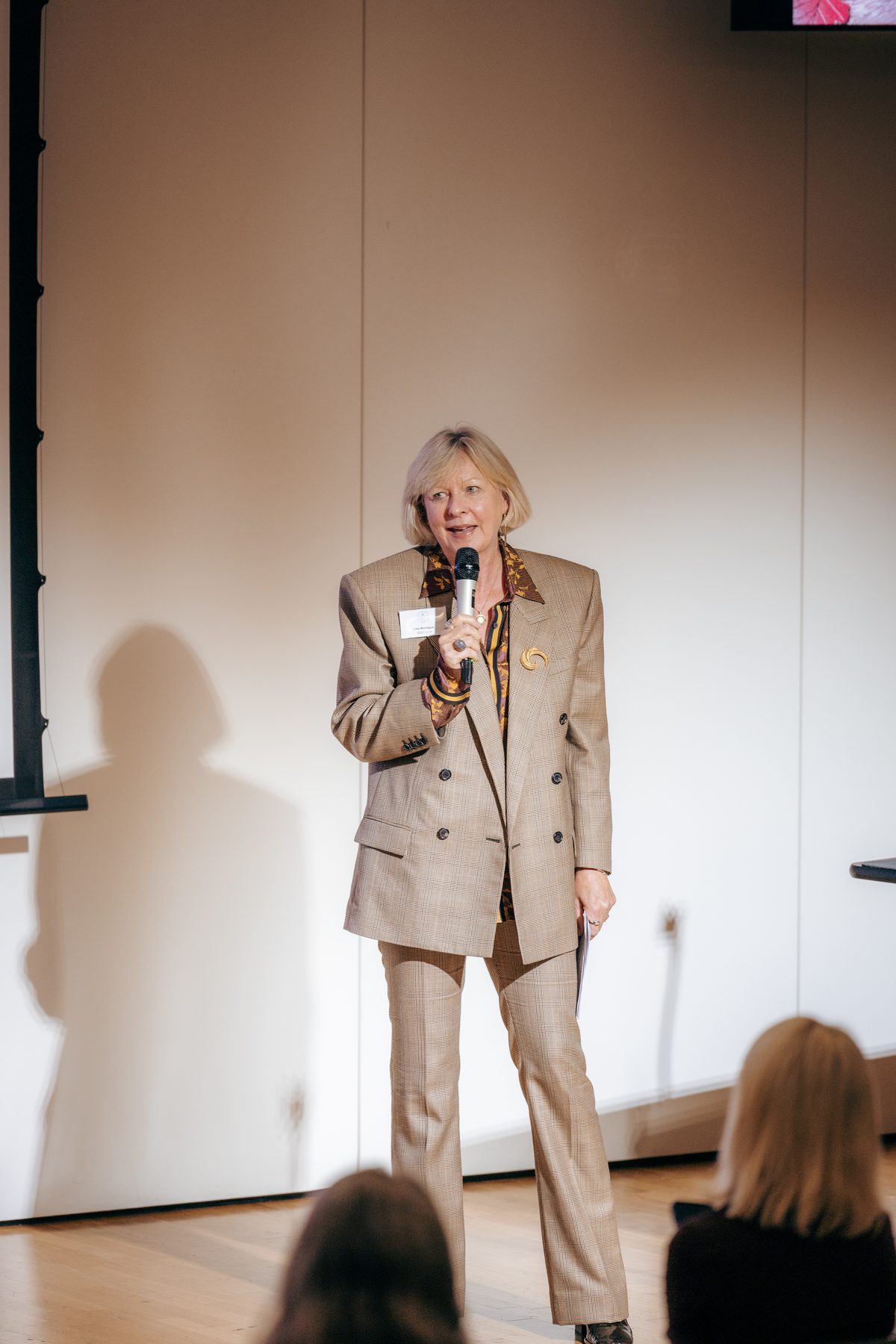
Welcome and Introduction
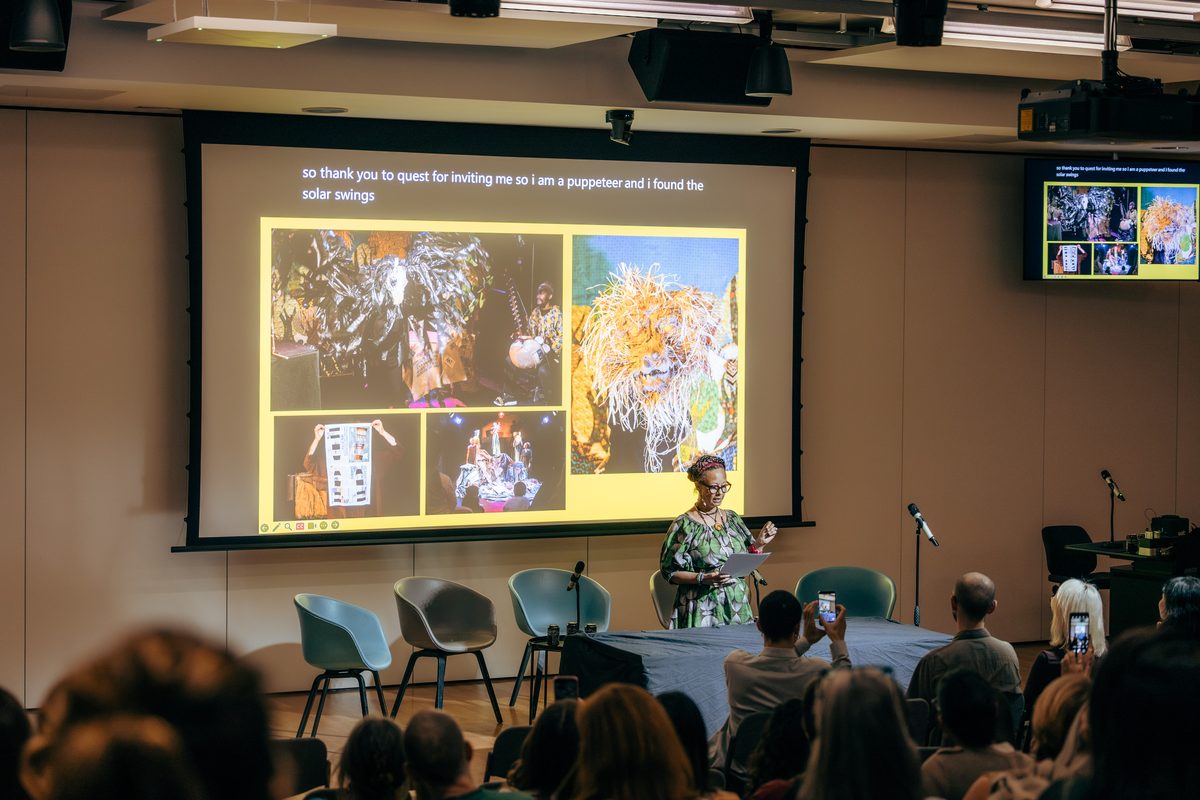
The day began with QEST Scholar and puppet maker Carolene Yawa Ada, who shared a short film documenting the work of Togolese puppeteer Danaye Kanlanfei.
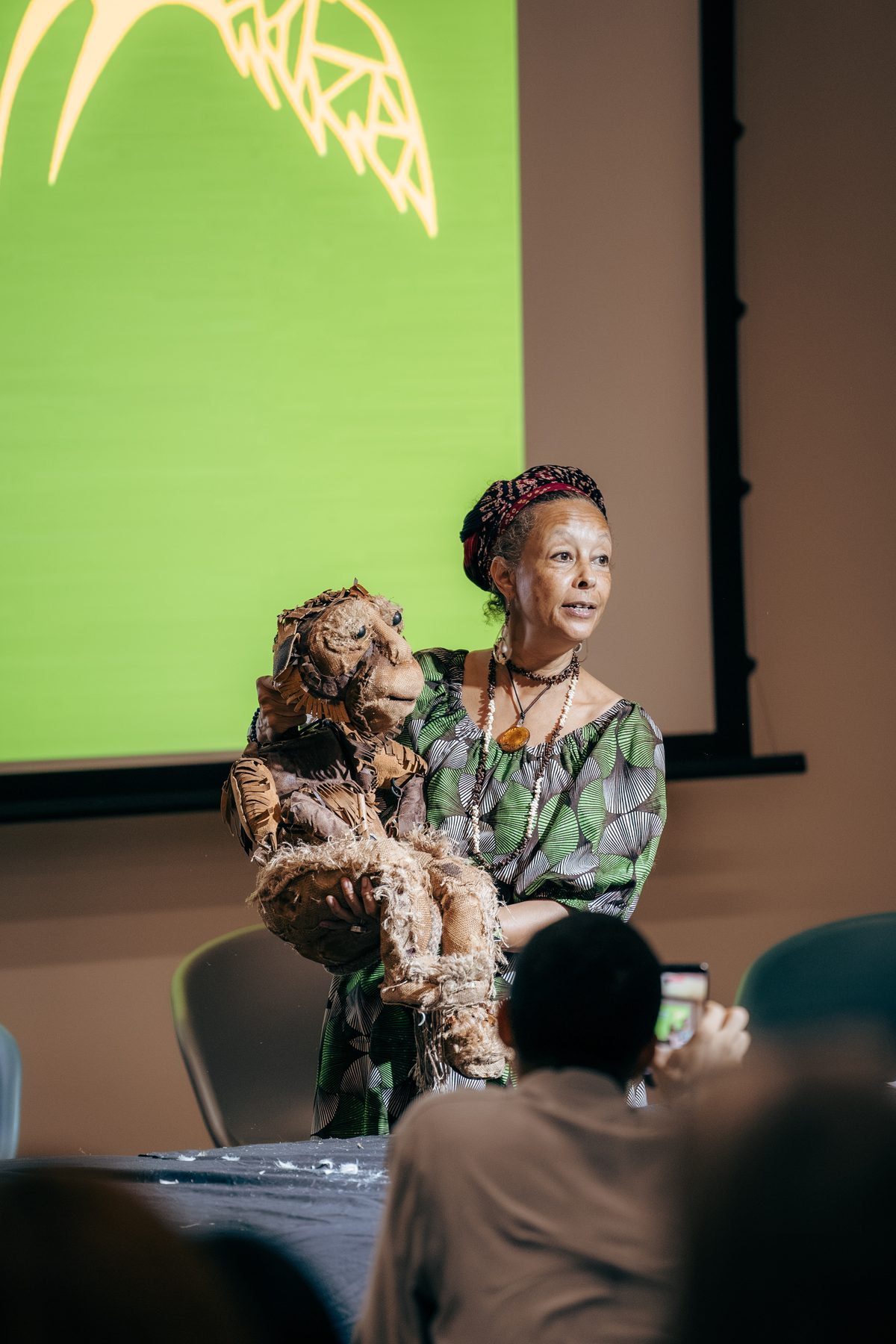
Carolene then demonstrated her own puppetry practice, reflecting on the importance of cultural exchange, storytelling and preserving traditional knowledge. Her contribution set the tone for a day centred on the value of skills passed between people and generations.
Session One: Makers at the Forefront
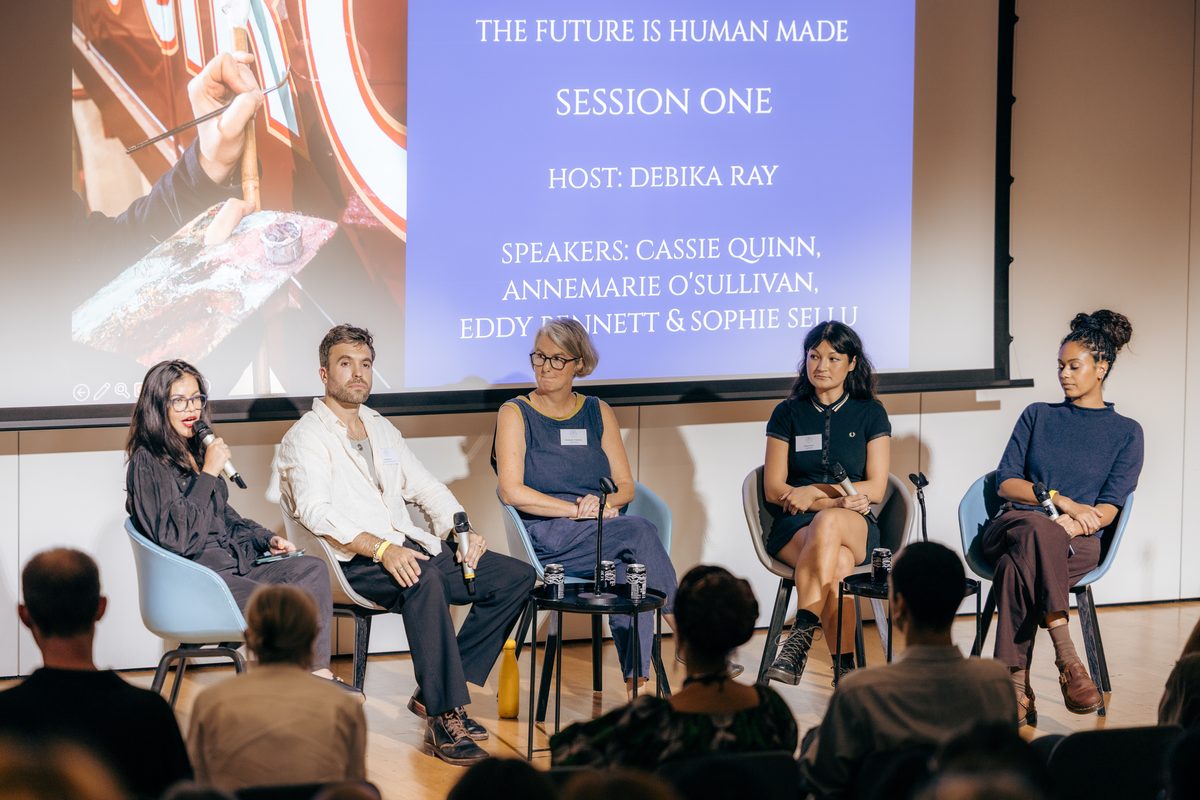
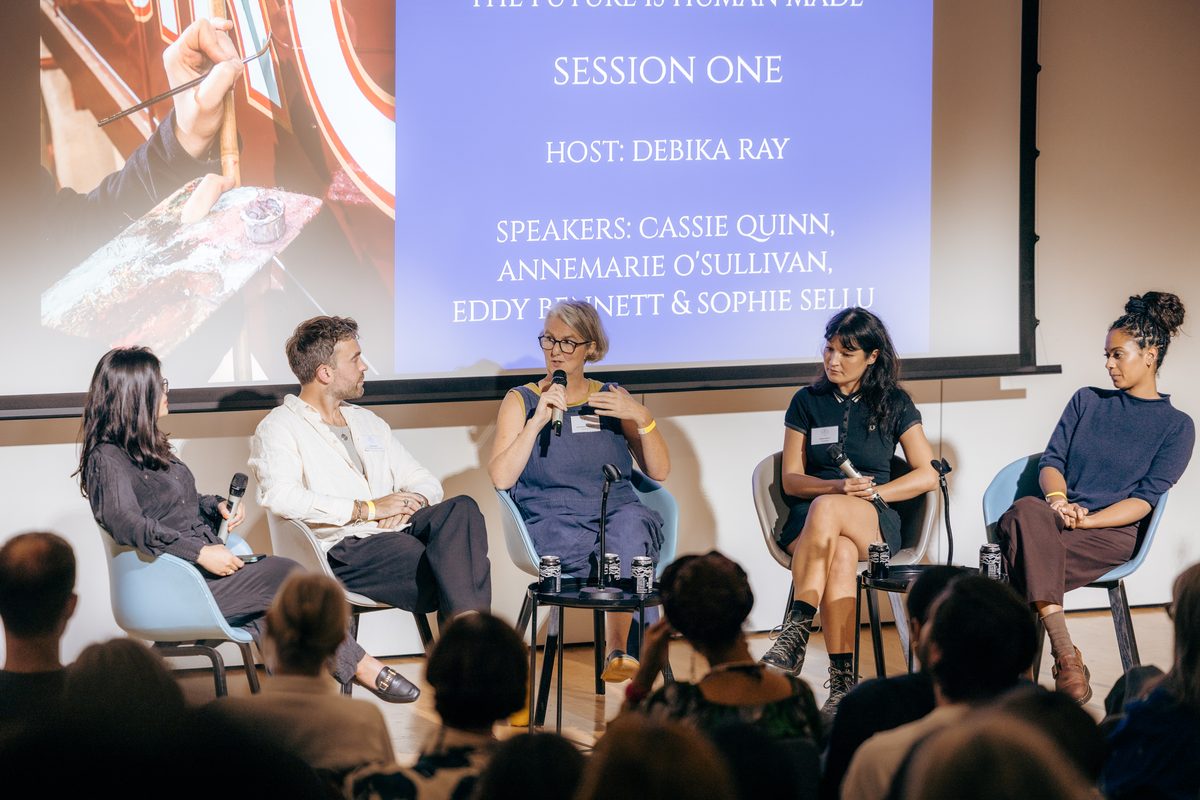
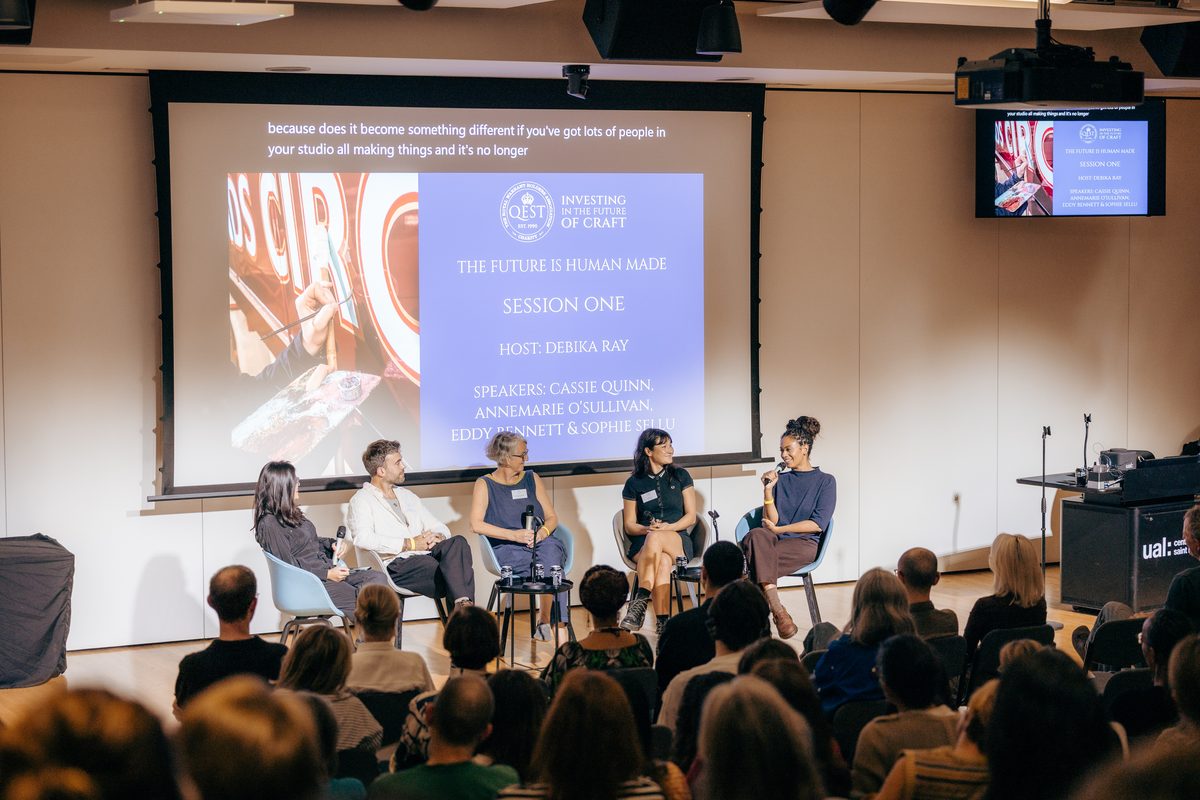
The first session brought together makers working at the forefront of their fields to explore how they have built viable and ambitious practices grounded in craft and skill.
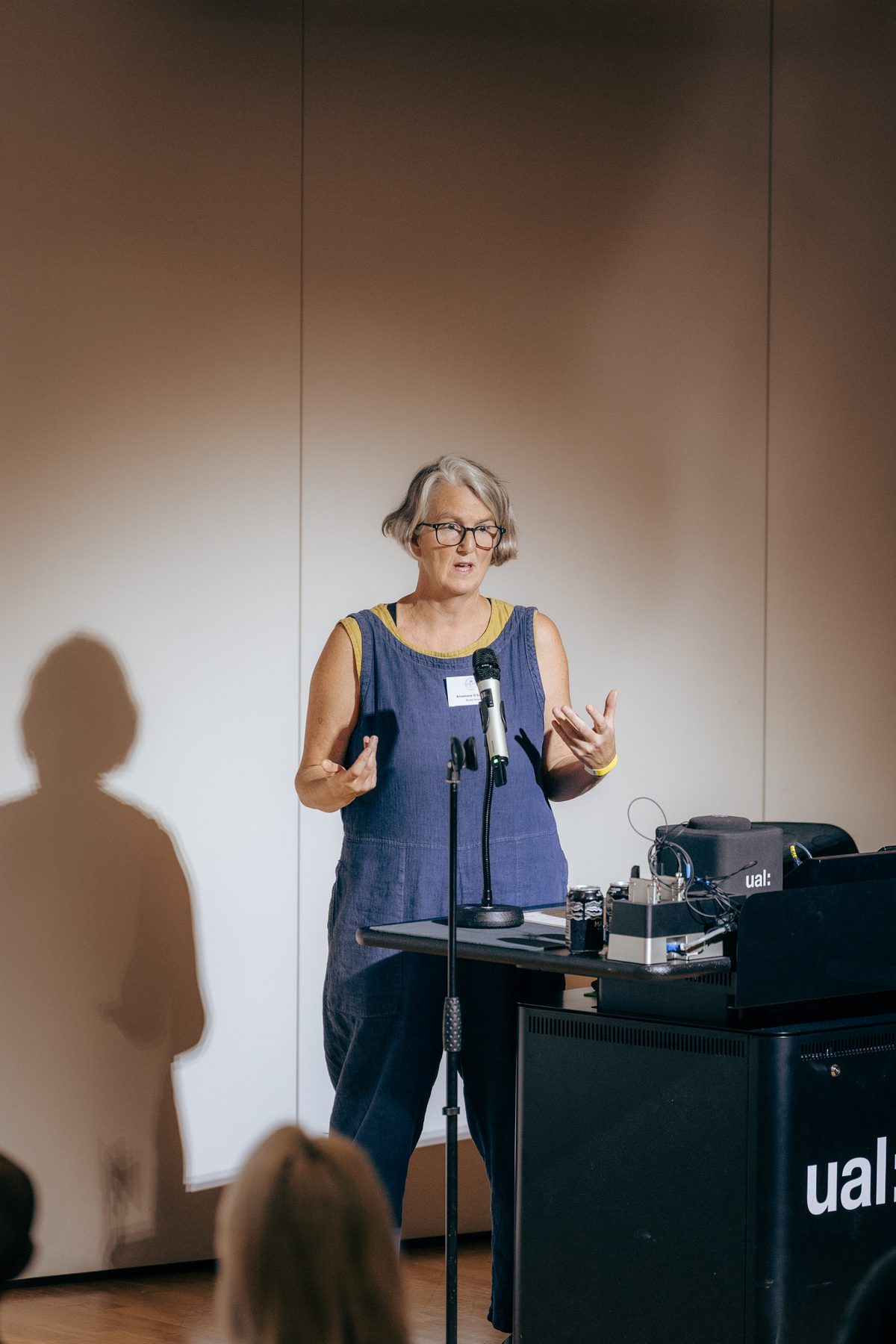
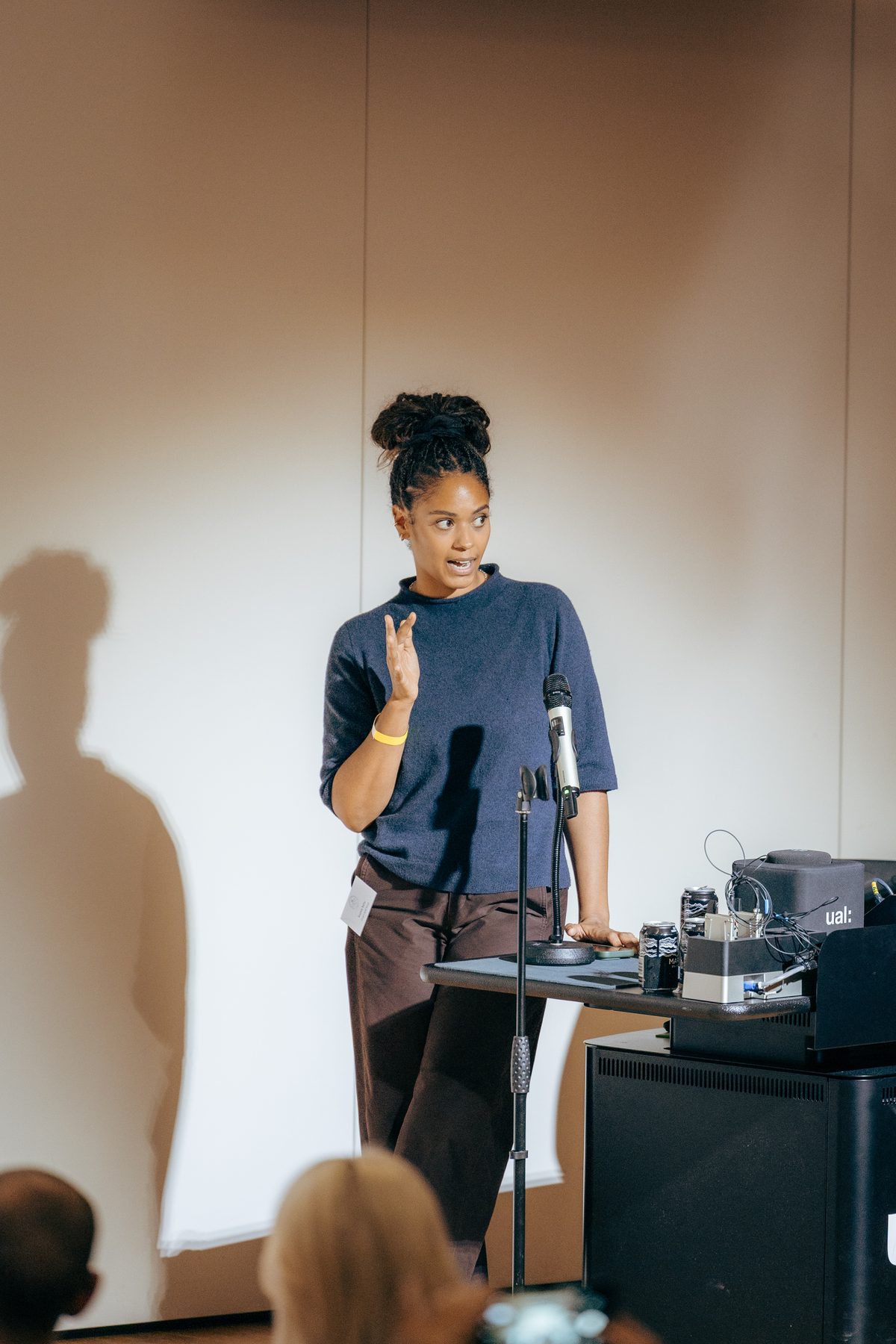
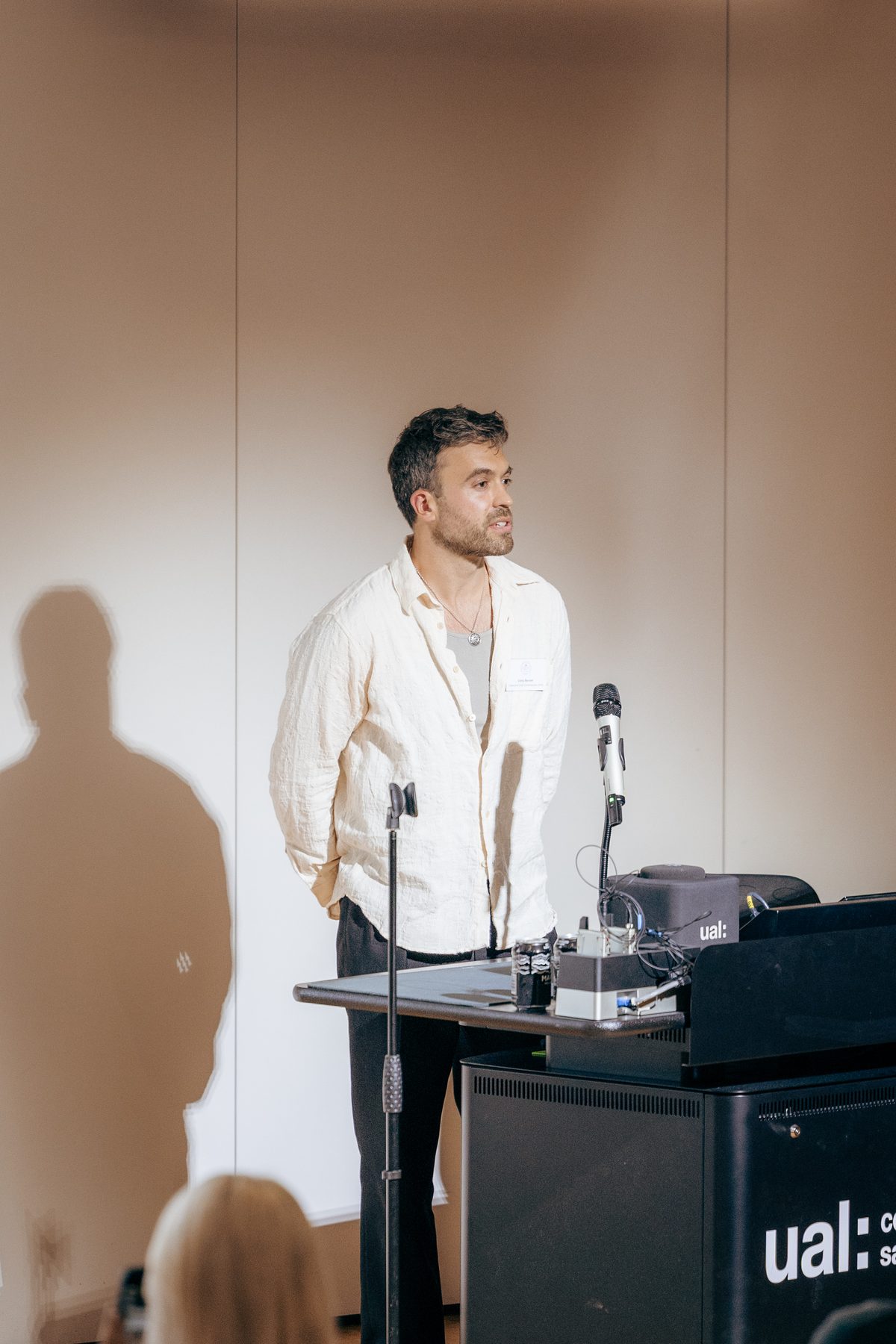
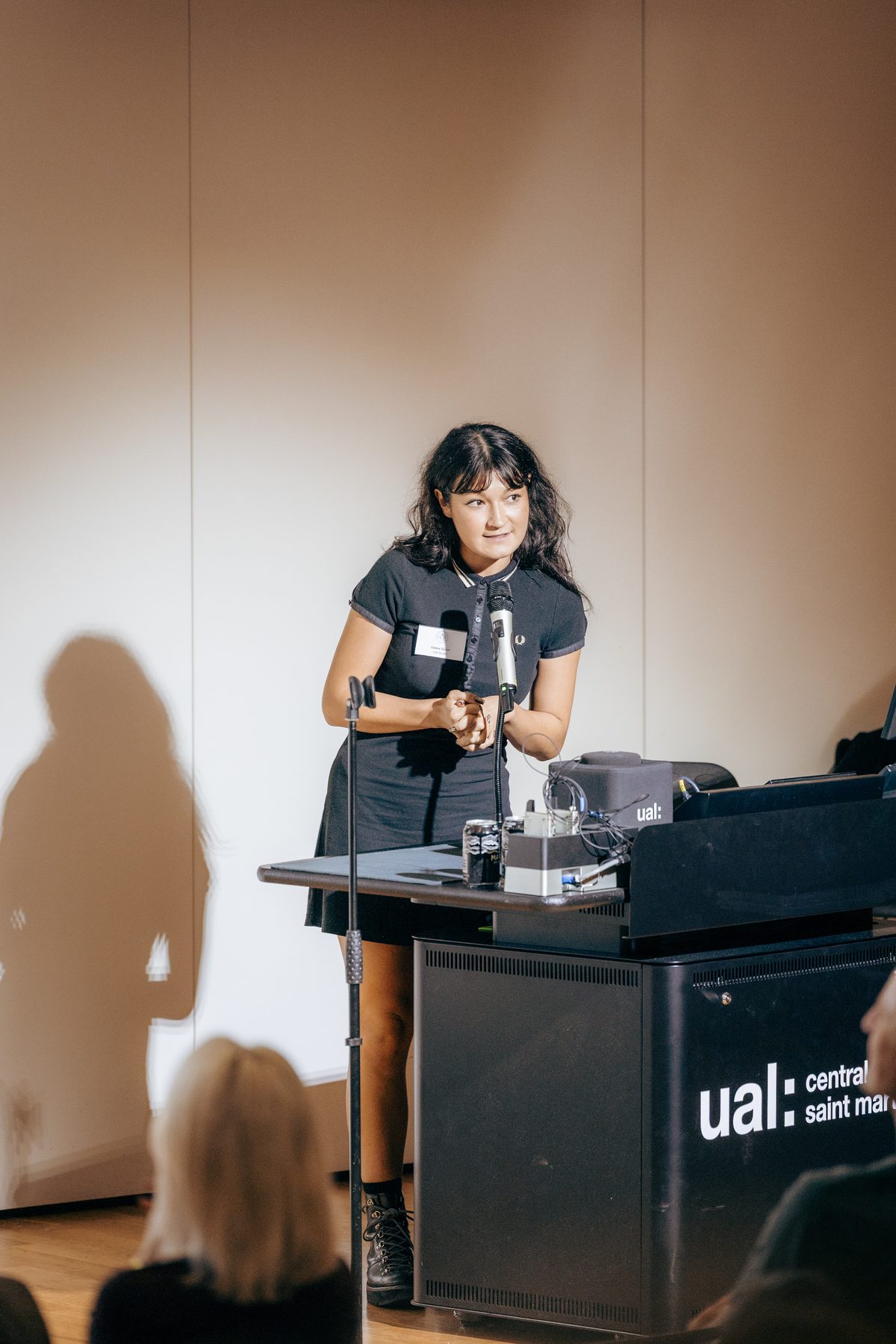
Hosted by Debika Ray, the session featured Cassie Quinn, Annemarie O’Sullivan, Eddy Bennett and Sophie Sellu. Through presentations and discussion, the speakers shared their experiences of building creative practices and considered how human skills can adapt, compete and thrive in the contemporary world.
The conversation highlighted the knowledge embedded in making and the importance of developing sustainable practices that place skill, creativity and human connection at their centre.
Session Two: Craft, Design and the Built Environment
The second session widened the conversation to consider what it means to bring the values of craft into the world at scale.
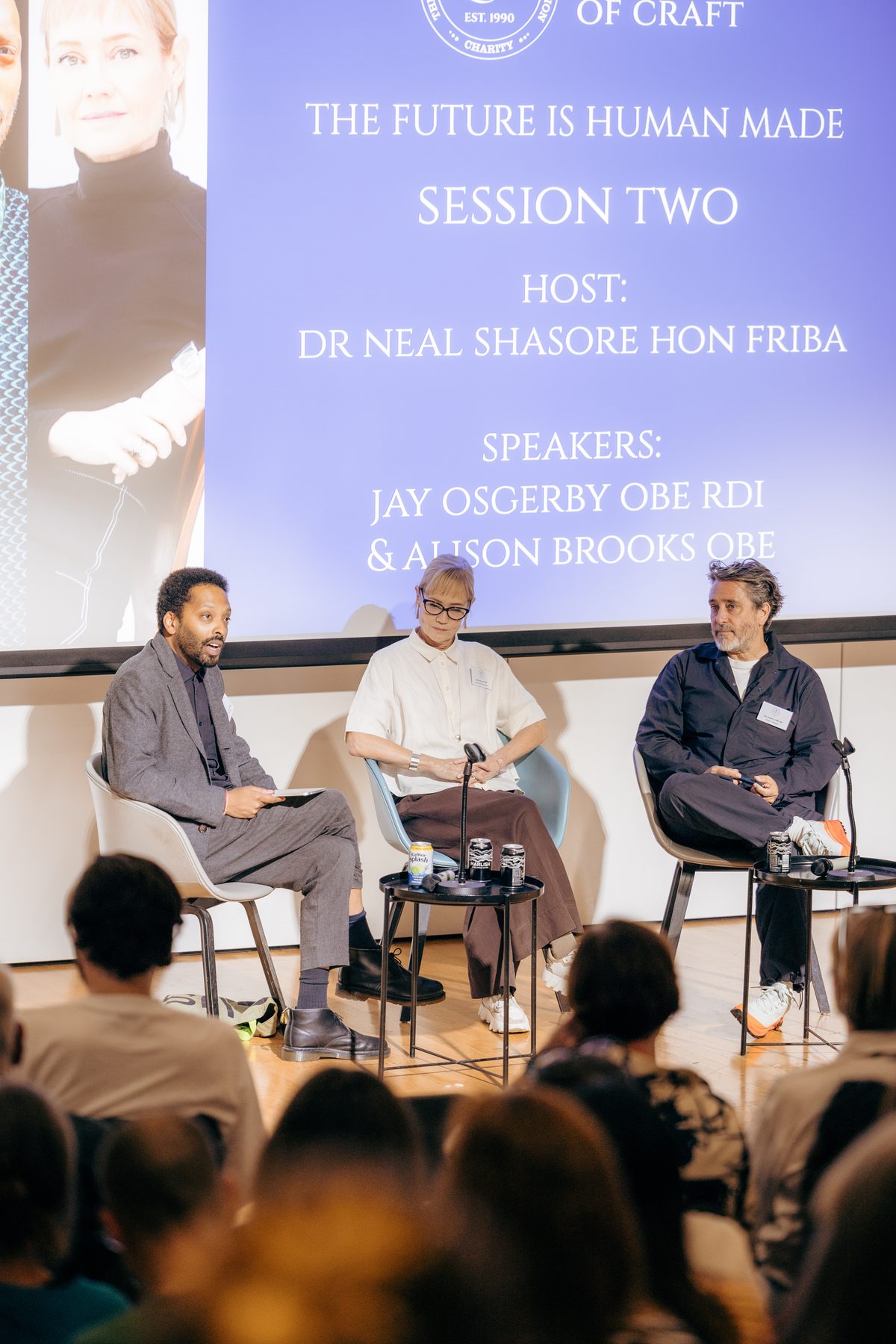
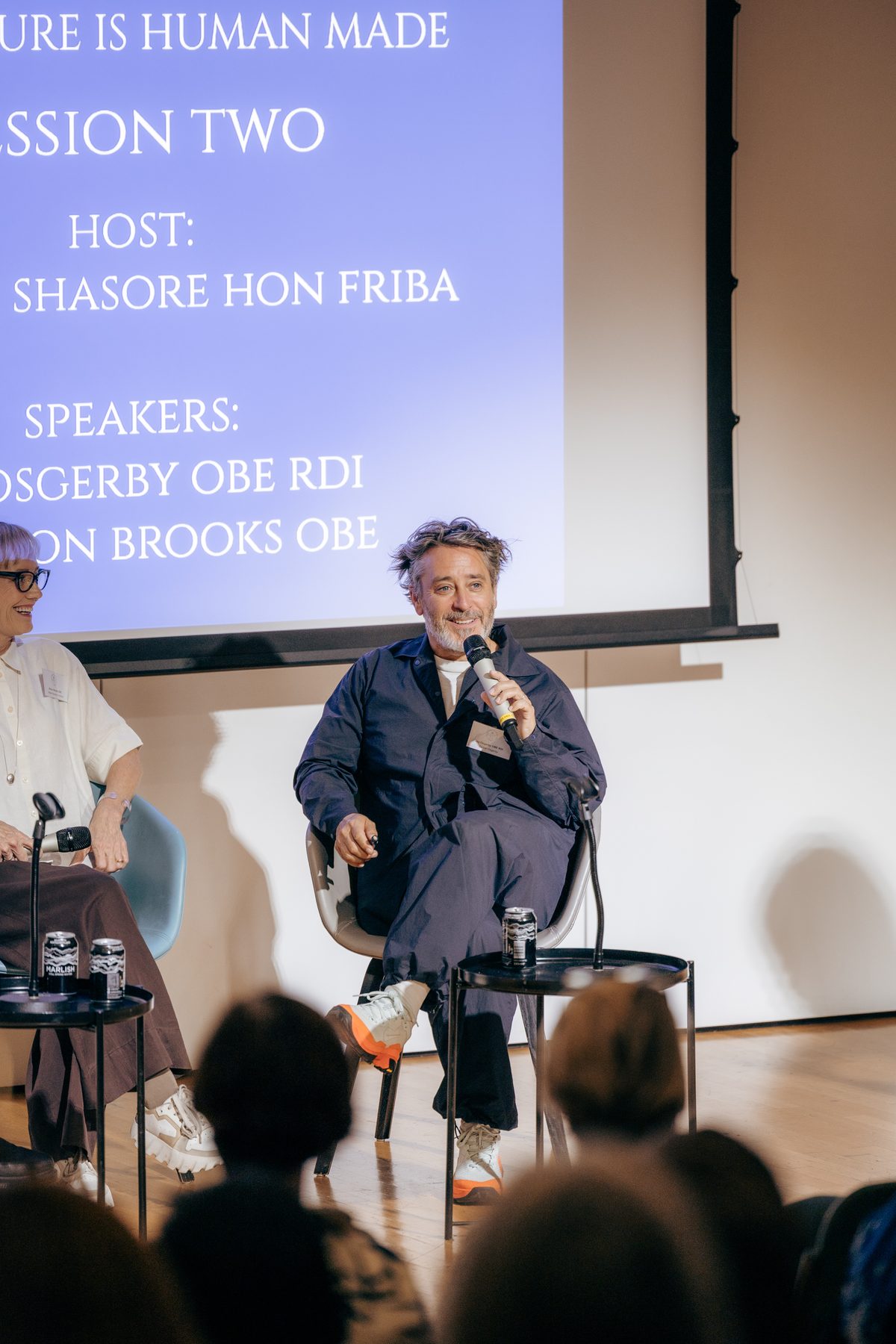
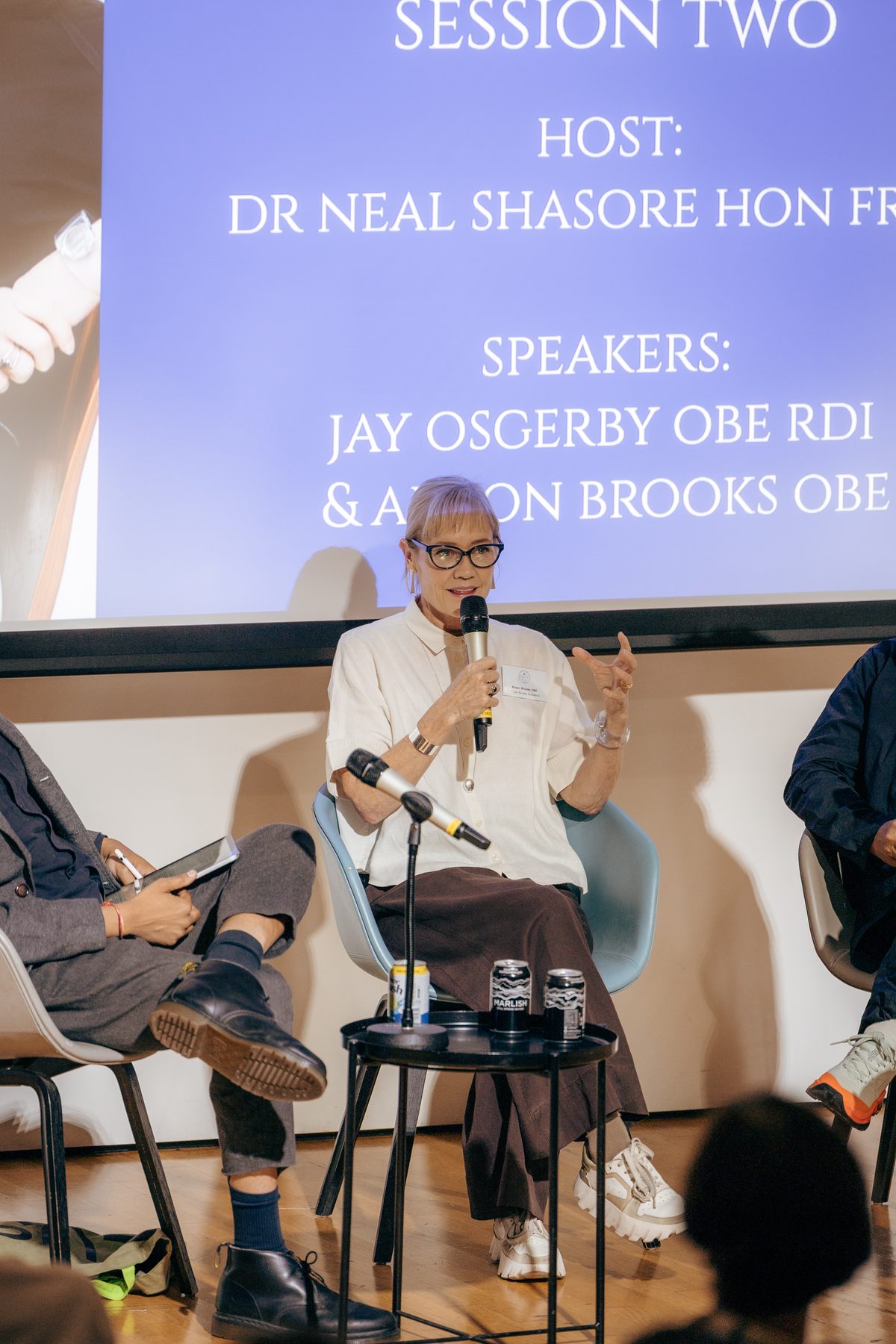
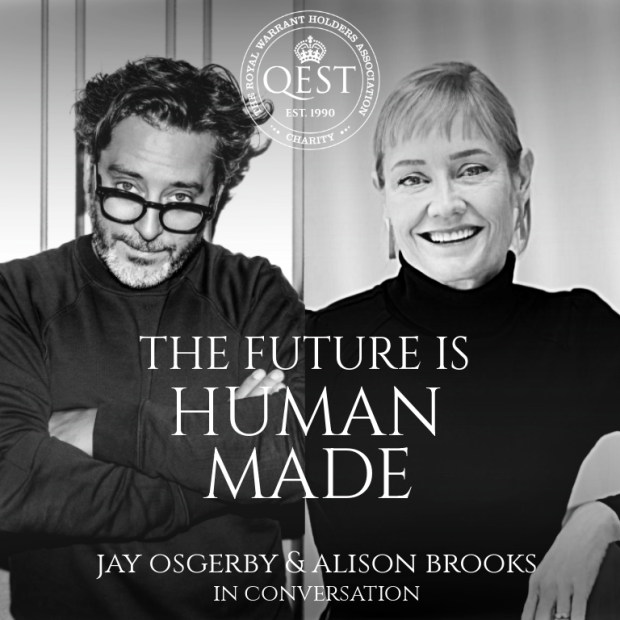
Hosted by Dr Neal Shasore Hon FRIBA, the session featured architects and designers Jay Osgerby OBE RDI and Alison Brooks OBE, who discussed how those who commission and shape our material environments can ensure makers and their skills remain central to how we build the future.
Neal posed questions around the relationship between craft and design, prompting a wider discussion about the distinctions between the two disciplines and the role of making within design practice.
Alison reflected on the relationship between skill and making, describing a craftsperson as someone who is a “master of your tools” and emphasising that;
“the act of making is the sign of a craftsperson”.
When asked which craft skill she would like to learn, she chose bronze casting, describing the process as fascinating.
Jay reflected on his own changing understanding of making and industry, recalling that as a student he believed “to be modern is to be industrial”. When asked which craft skill he would like to learn, he chose glassblowing, describing it as magical.
Putting Craft at the Centre of the Future
Across the symposium, a common theme emerged: craft is a way of thinking, working and solving problems that has an important role to play in the future.
The symposium marks the beginning of an annual conversation that QEST hopes will continue to challenge assumptions about work, creativity and economic development, while bringing craft and the people who practise it into the heart of discussions about our shared future.
We hope to see you at the next one as we continue the conversation around the future of craft, skills and making.