QEST’s CraftLabs are Kickstarting Heritage Craft Careers
16th November 2026
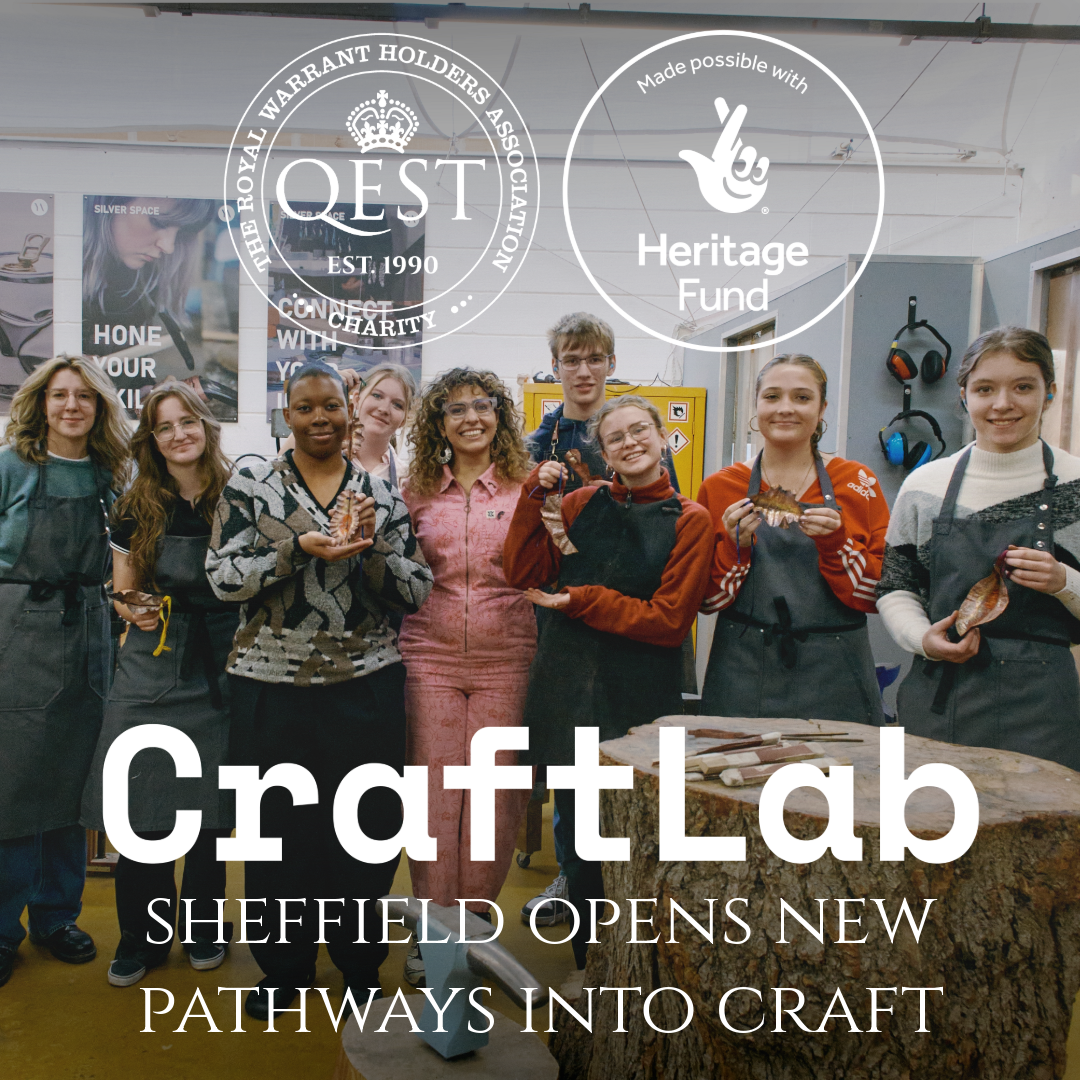
From metalworking skills, to microgrants and co-created resources this National Lottery Heritage Funded project is closing gaps in access, knowledge and heritage craft careers for young people
“The workshops made me realise that these crafts are things that are within my ability and something I could achieve, and the grant especially has made me realise that this opportunity is so unique in how it can bring my aspirations into accessible reach.” – CraftLab participant
Tradition in Transition is made possible by The National Lottery Heritage Fund. Thanks to National Lottery players, QEST (Queen Elizabeth Scholarship Trust) has been able to address a critical gap in provision for 16-25-year-olds entering heritage craft careers.
Delivered in partnership with museums and master craftspeople across three regional sites, Tradition in Transition: Youth Journeys Through Heritage Craft responds to significant challenges facing the sector: only 14% of QEST grant applications have come from 18-25-year-olds, while 65% of craft practitioners are over 50. With a focus on young people from underrepresented backgrounds the programme reduces barriers into the sector through workshops, mentoring, micro-grants and a permanent digital resource.
The programme comprises four strands: CraftLab youth workshops and regional Showcase events in Sheffield, Blackburn and Sleaford; a Kickstarter micro-grant scheme; and the Digital Craft Traditions Library.
The four crafts in focus are pewter and silver metalworking, passementerie and horsehair weaving, and shoemaking, all of which appear on the Heritage Crafts Red List of Endangered Crafts.
A week of craft discovery
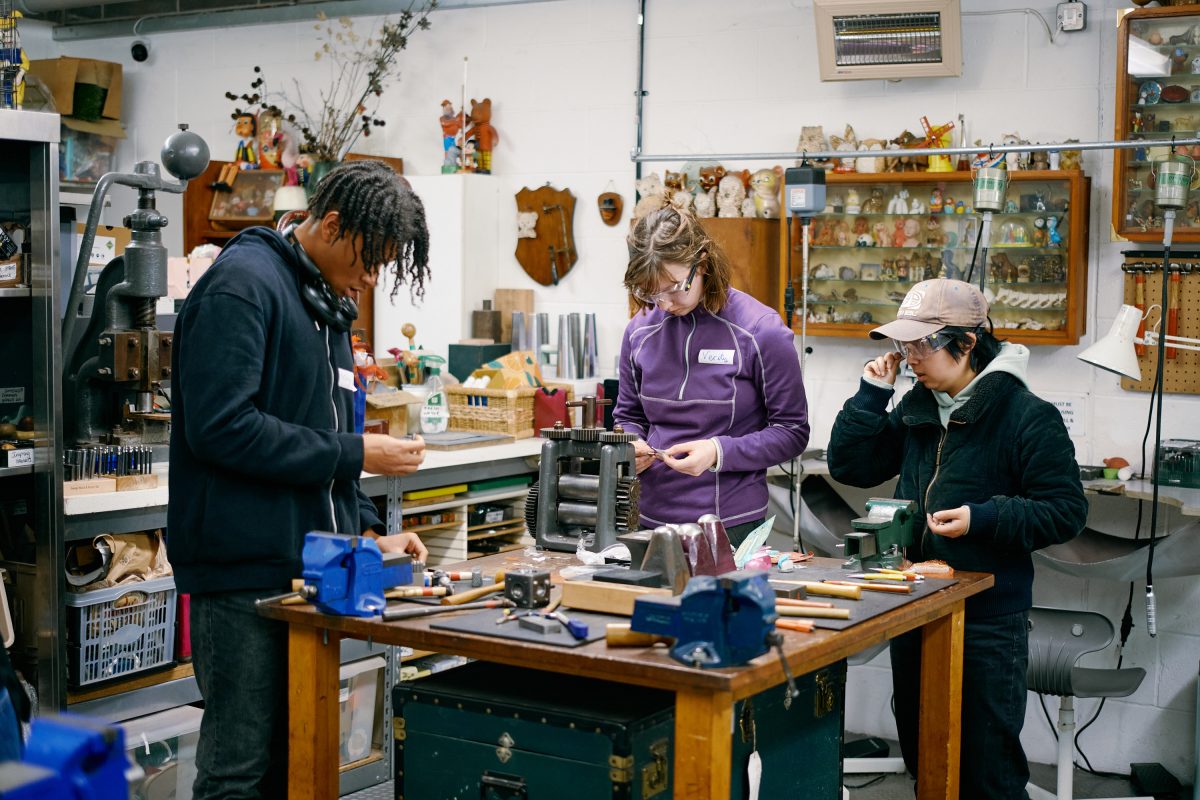
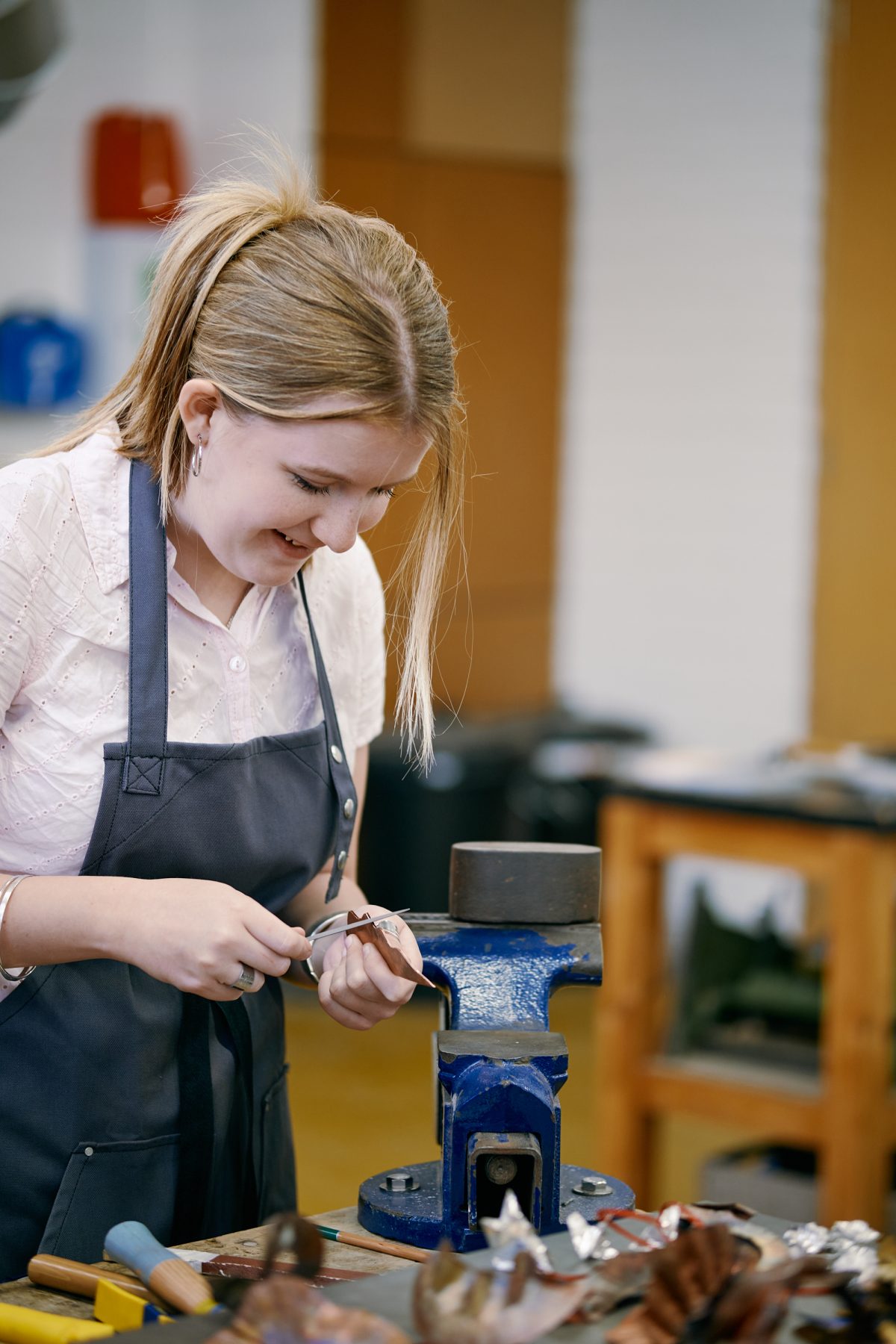
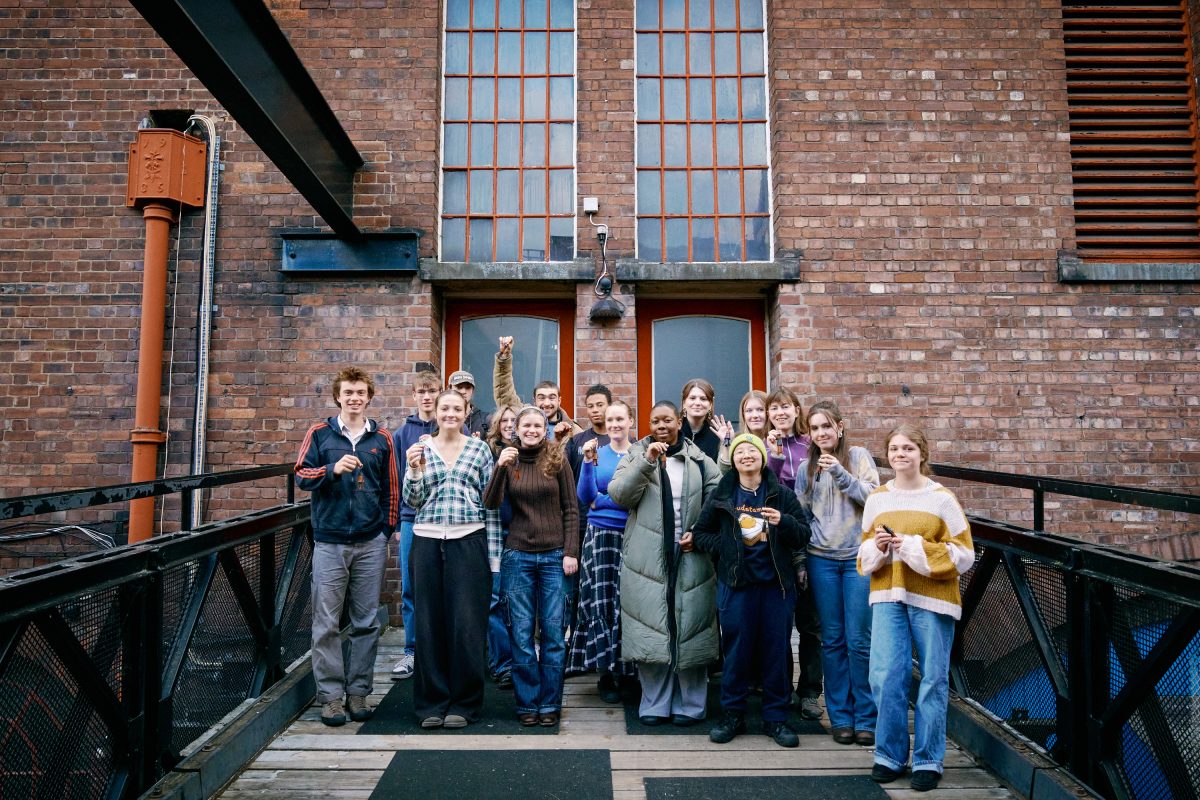
During October half-term, QEST delivered its first CraftLab in partnership with Sheffield Museums. Based at Kelham Island Museum, the week brought together seventeen young people aged 16-25 to explore Sheffield’s industrial heritage through metalworking and pewter. Through making, site visits and conversations with practitioners, participants gained a clearer understanding of craft careers and the many routes into the sector.
The programme combined hands-on workshops, visits to industrial sites and artists’ studios, and professional development sessions on networking, portfolios, CVs and funding. Lunch and travel costs were covered throughout the week to help reduce barriers to participation.
“I feel more confident in my potential as a maker and ways I can utilise my present creativity in order to find and build my own career path as a crafter. This is because becoming a crafter was traditionally and originally just a mere speculation, and now that I’ve learned more about the specificities of metalworking/silversmithing in addition to having access to applying for the grant, there is a greater potential of possibilities.” – Dorneka
The week opened with a handling session led by Metalwork and Industry Curator Leila Prescott. Participants explored objects from the museum collection, ranging from everyday tools and cutlery to more unusual examples of Sheffield craftsmanship.
Tuesday was a Meet the Maker Day. At Wentworth Pewter, Richard Abdy welcomed the group and provided a behind-the-scenes tour of one of the last remaining factories to carry out every stage of pewter production in-house. Participants saw casting, soldering, polishing and laser etching in action while learning how traditional skills continue to serve both contemporary consumers and Hollywood film productions.
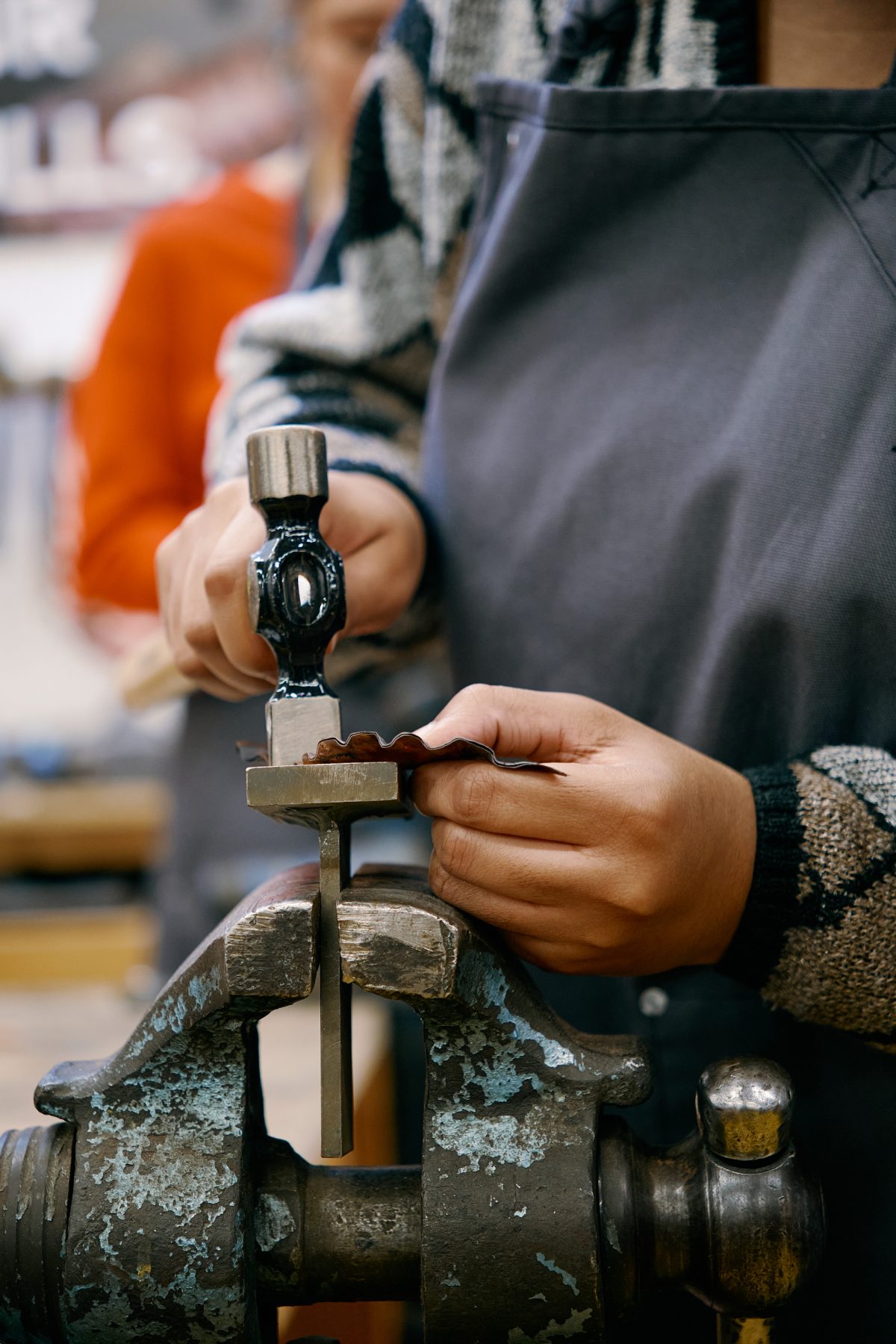
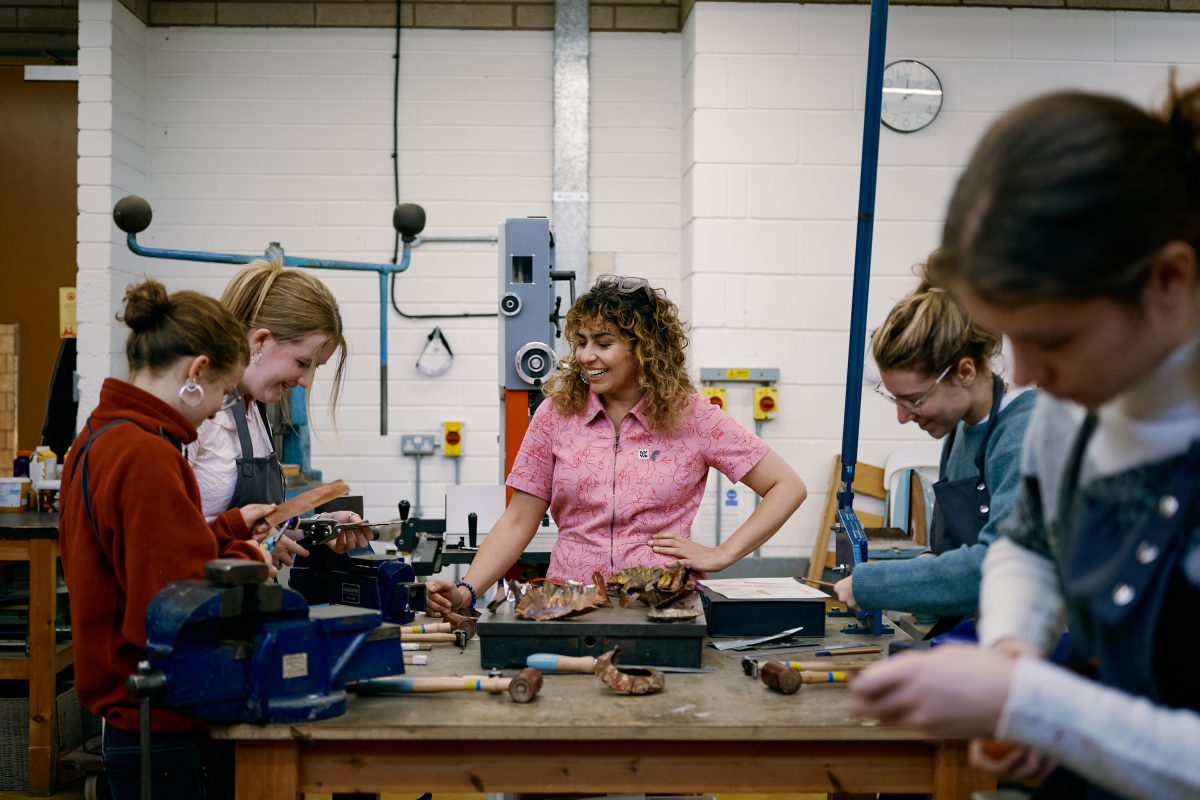
Later that day, at Persistence Works, participants joined a studio tour led by Yorkshire Art Space’s Rachel Dodd meeting silversmiths Holly Clifford, Helena Russell and Charlotte Tollyfield, and took part in a copper fold-forming workshop with Morvarid Alavifard. Both experiences highlighted the diversity of contemporary craft practice, practical skills and different routes into the sector.
Wednesday focused on professional development and heritage skills. Jonathan Reid from Ernest Wright shared insights into Sheffield’s endangered scissor-making tradition, bringing examples from delicate embroidery scissors to imposing tailor’s shears. In the afternoon, QEST Youth Board Chair and leatherworker Ana Del Rio delivered a practical session on portfolios, networking and creative careers before leading a leather tassel-making workshop.
Thursday’s activities took place at Abbeydale Industrial Hamlet. One group worked alongside blacksmith Iain Jones to forge decorative coat hooks, learning fundamental blacksmithing techniques, while another explored jewellery-making with Julie-Ann Weiss and Melissa Montague.
The final day included a visit to Cutlers’ Hall, where Richard Vardy, the Beadle, shared stories of Sheffield’s industrial heritage, civic traditions and the enduring role of the Company of Cutlers.
“Its really helped clarify some future steps and widened my horizon for other opportunities in the crafts.” – Douglas
Impact and next steps
The Sheffield CraftLab successfully increased participants’ awareness of heritage craft careers, improved confidence and reduced barriers to accessing industry knowledge while having a positive impact on wellbeing. Most importantly, it demonstrated that heritage crafts remain relevant, viable and rewarding career paths for young people today.
Alongside the workshops, digital artist and designer Lauren-Loïs Duah is developing the Digital Craft Traditions Library as a lasting programme legacy, while evaluation consultant Camilla Robinson has developed an evaluation and theory of change framework ensuring learning is captured and embedded across future CraftLabs.
Applications for the Sheffield Craft Career Kickstarter micro-grant are now closing, and we look forward to supporting the first cohort of grantees while creating further opportunities for participants to contribute to digital resources, events and future programme activity.