QEST Youth Board Chats: Elizabeth Jarvis and Gabrielle Mitchley on Saddlery
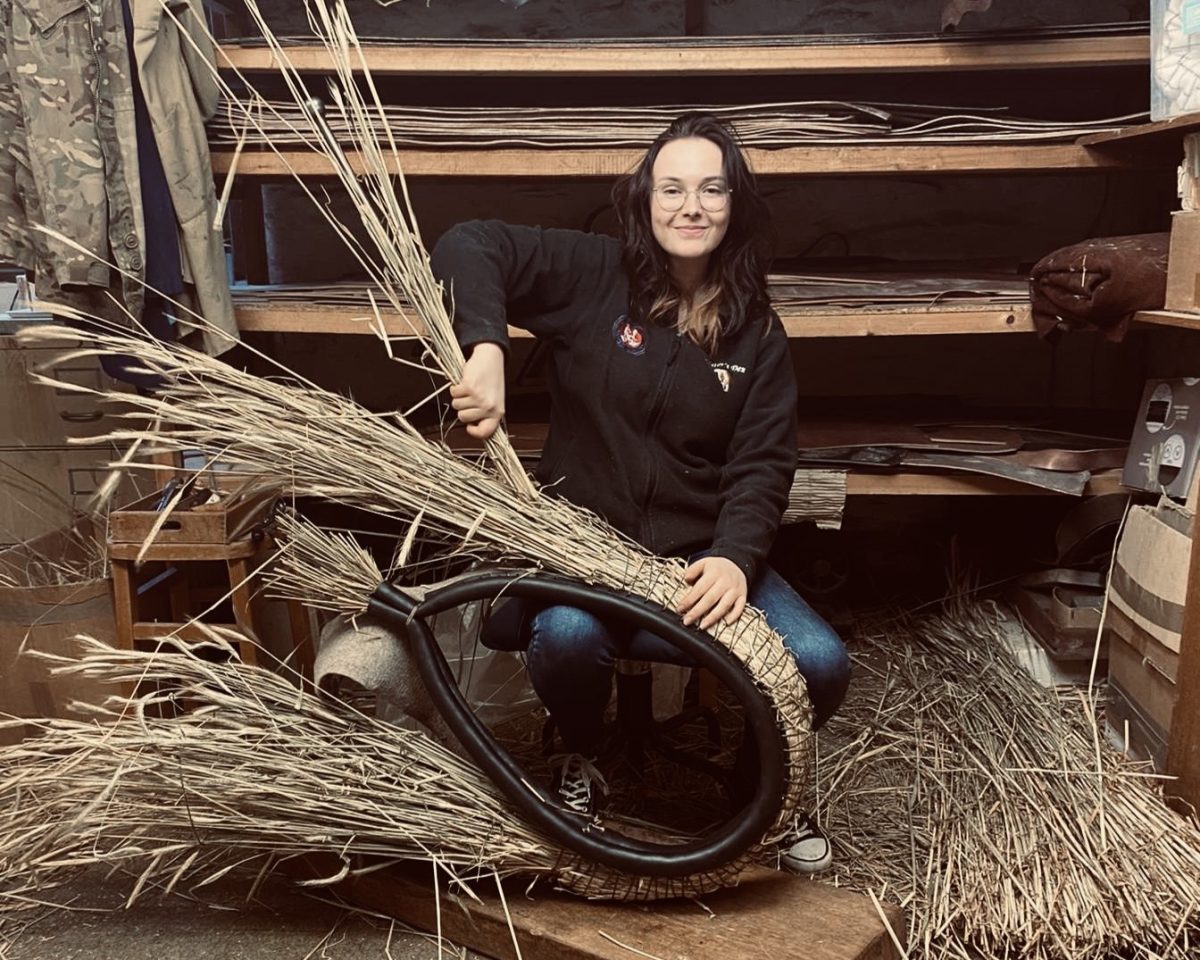
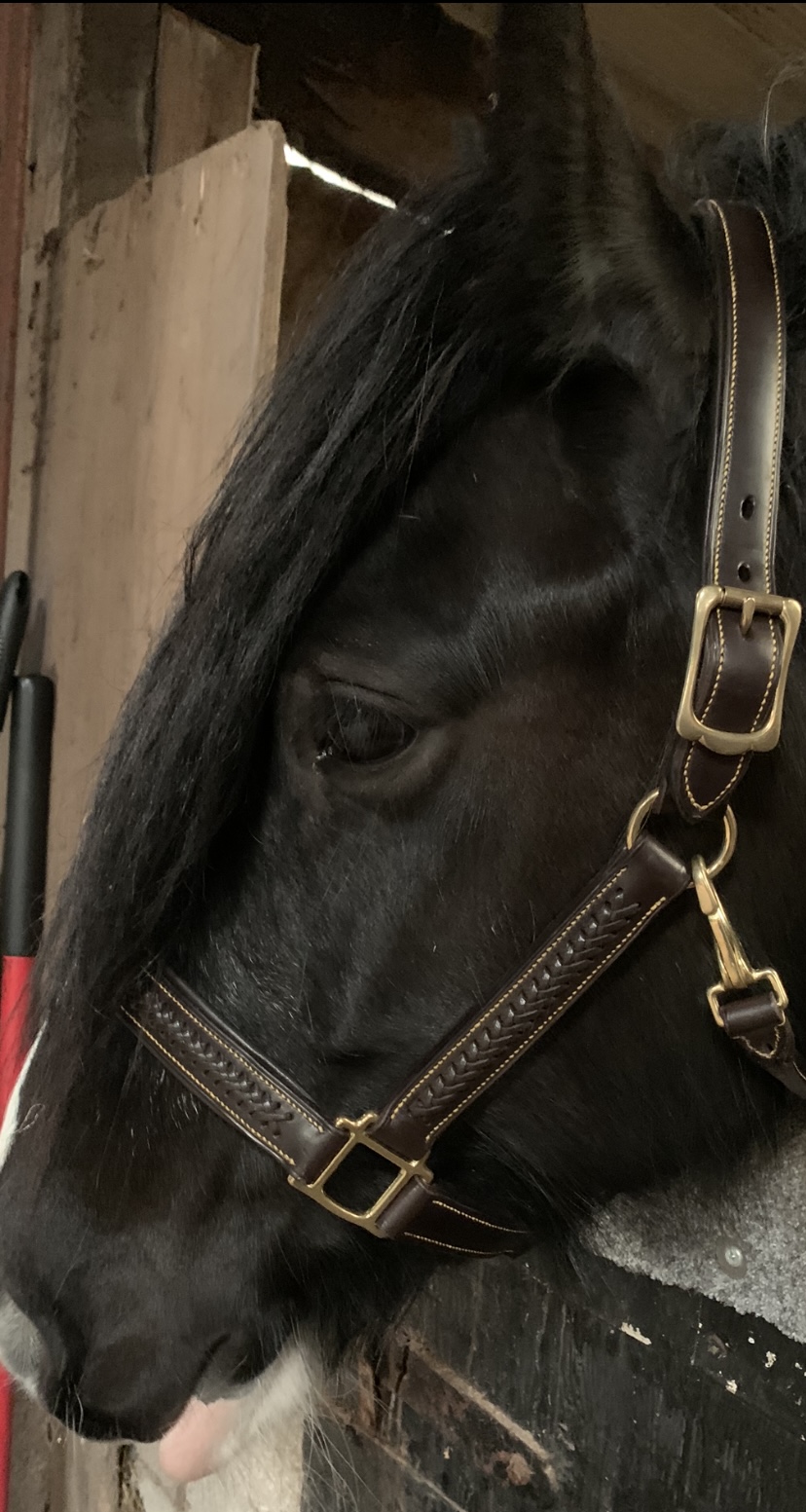
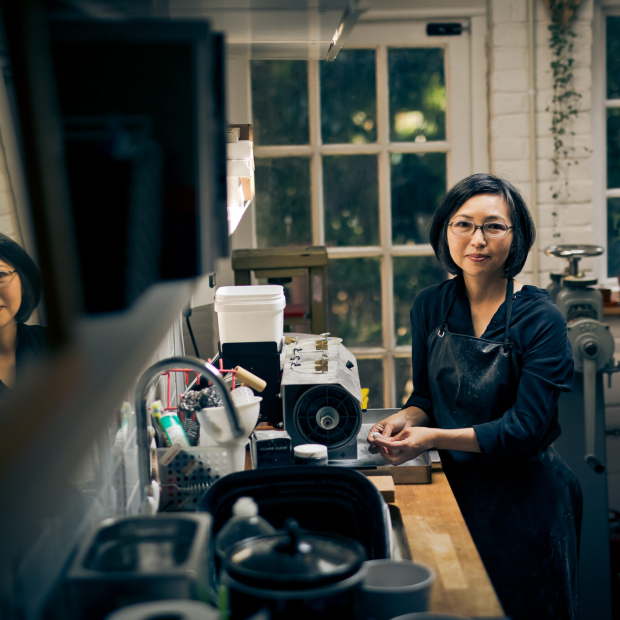
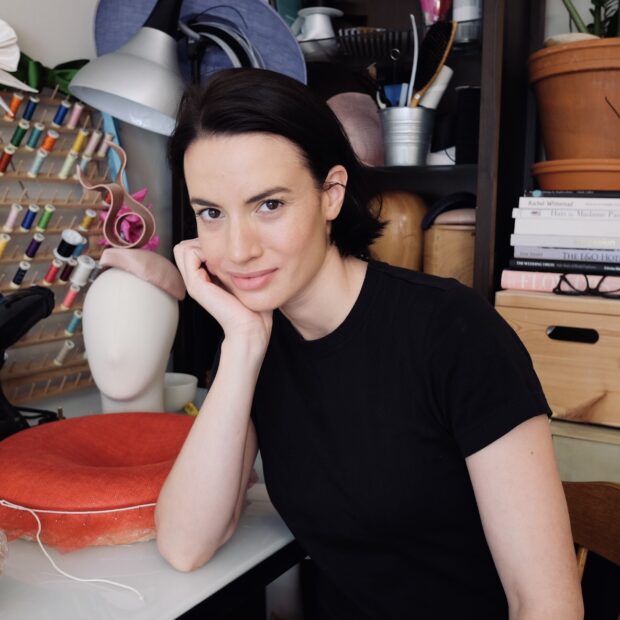
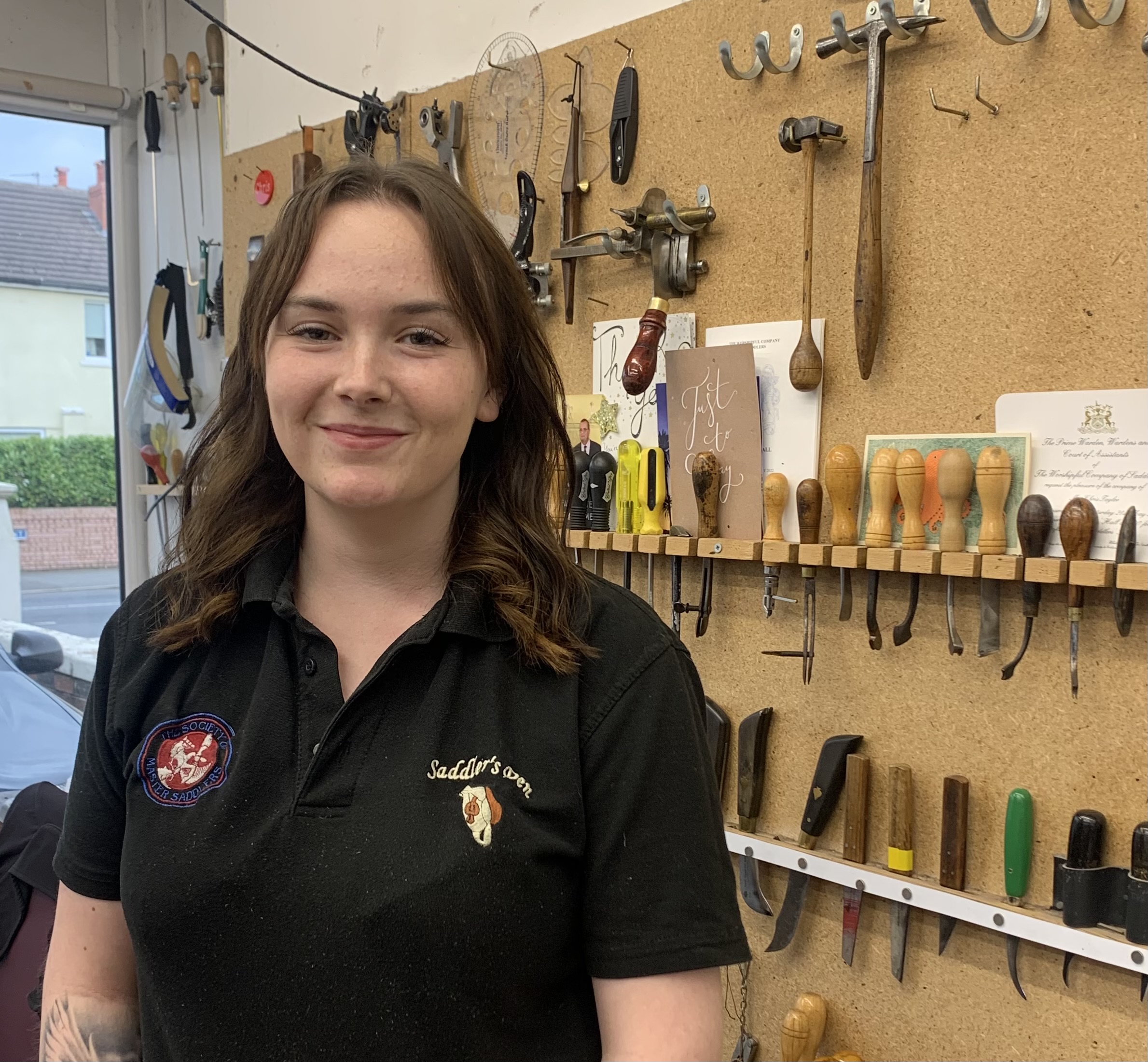
In this Meet the Maker conversation, QEST Youth Board member Elizabeth Jarvis interviews Gabrielle Mitchley, a 2024 QEST Saddlers’ Company Scholar. Gabrielle, who specialises in equestrian craft (making saddles, harnesses, and collars for horses), shares insights into her daily life, her approach to sustainability, and the key moments that have shaped her career. Gabrielle is dedicated to helping young people access craft opportunities and pursue careers in this rewarding field.
Read about the QEST Youth Board here.
What drew you to this craft and how did you get started?
I originally always wanted to be a vet and one of the main criteria that universities were looking for was volunteering and work experience. I enquired with my saddle fitter (who is also a master saddler) about possible work experience opportunities. During this time I spent the whole summer before college learning how to hand sew, prepare, and finish leather, and really fell in love with the whole process, and the amount of creative freedom it provides.
Before the COVID 19 lockdown in 2020 I had already started college with the plan to continue to aim towards veterinary medicine. However once the lockdown was in place and I had more time to reflect on what I enjoy the most and what I would value as a more satisfying job, saddlery was a clear option, and that’s when I started my apprenticeship.
Can you describe a typical day in your studio or workshop?
The thing I love the most about my job is that there is no set “typical” day.
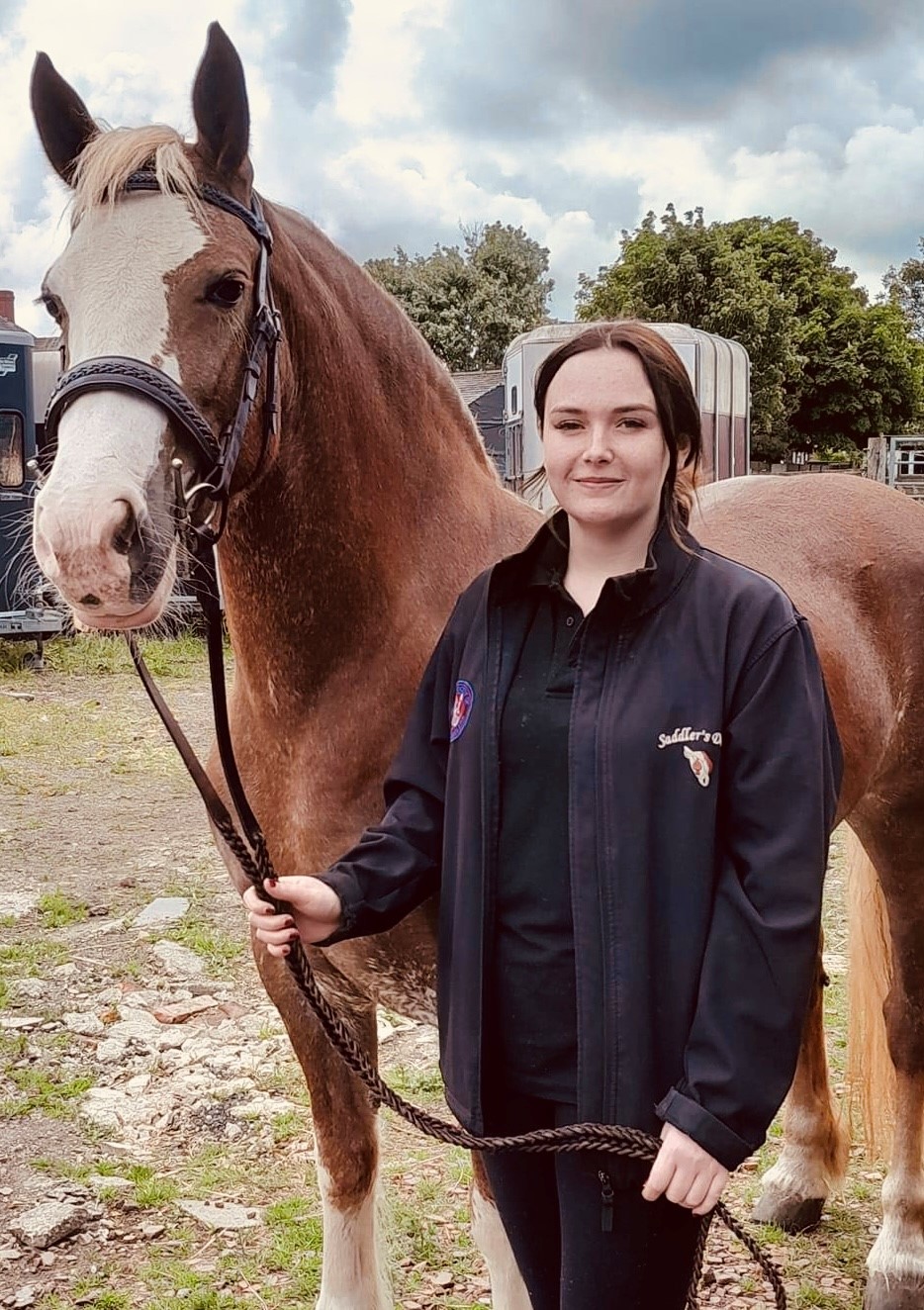
The set up always starts with a little bit of admin, just checking emails and messages. Then I’ll choose which jobs I want to complete or need to prioritise for the day. This could be repairing a saddle, making a dog lead, repairing a bag, making a box, or many more. Once I’ve chosen the jobs and their order, then I select the tools and materials that I need and make/ repair each item. After I’ve completed each item I will contact the customer to let them know, and to arrange the collection or fitting. At the end of the day, I always make sure to tidy up my workspace by putting away all of my tools and materials, as well as sweeping up and removing any rubbish.
What motivates you to create?
Animal welfare is at the forefront of my craft, everything I do is to make the animal more comfortable and of course fashionable.
I love that my craft serves a purpose, everything I make has a job role, whether it’s equestrian tack, dog equipment, belts, bags, etc. I find joy in being able to create something that I know will be loved and used by my customer, and survive for many years to come.
Was your craft originally your hobby? If so, what was the defining moment that led you to step into it as a career?
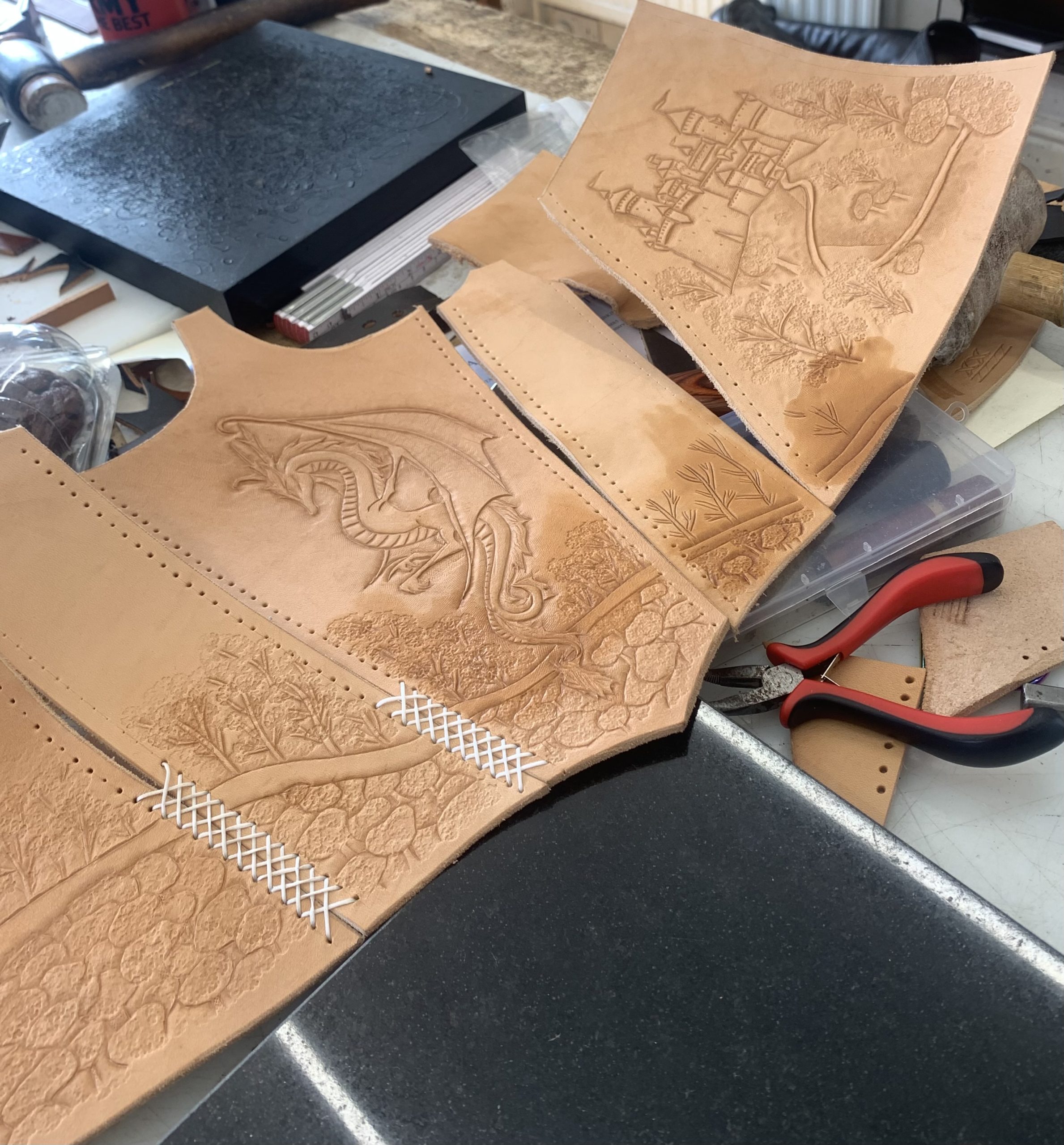
After I went off to college, I immersed myself into revising and learning. However once the COVID lockdown happened I started the saddlery and leatherwork as a hobby. I made a few dog collars and taught myself how to carve leather, practicing skills that I had learnt through my work experience, and watching videos and reading about next techniques and skills.
It was later on just as we were coming out of the first lockdown that I realised how much happier I was when I was practicing my craft compared to what my future would have been as a vet. Saddlery was a perfect combination of everything I wanted in a job. I’m able to work around animals, I can be creative, and I can use my engineering background to help with designs and measurement.
What’s a challenge you’ve overcome that gave you confidence going forward?
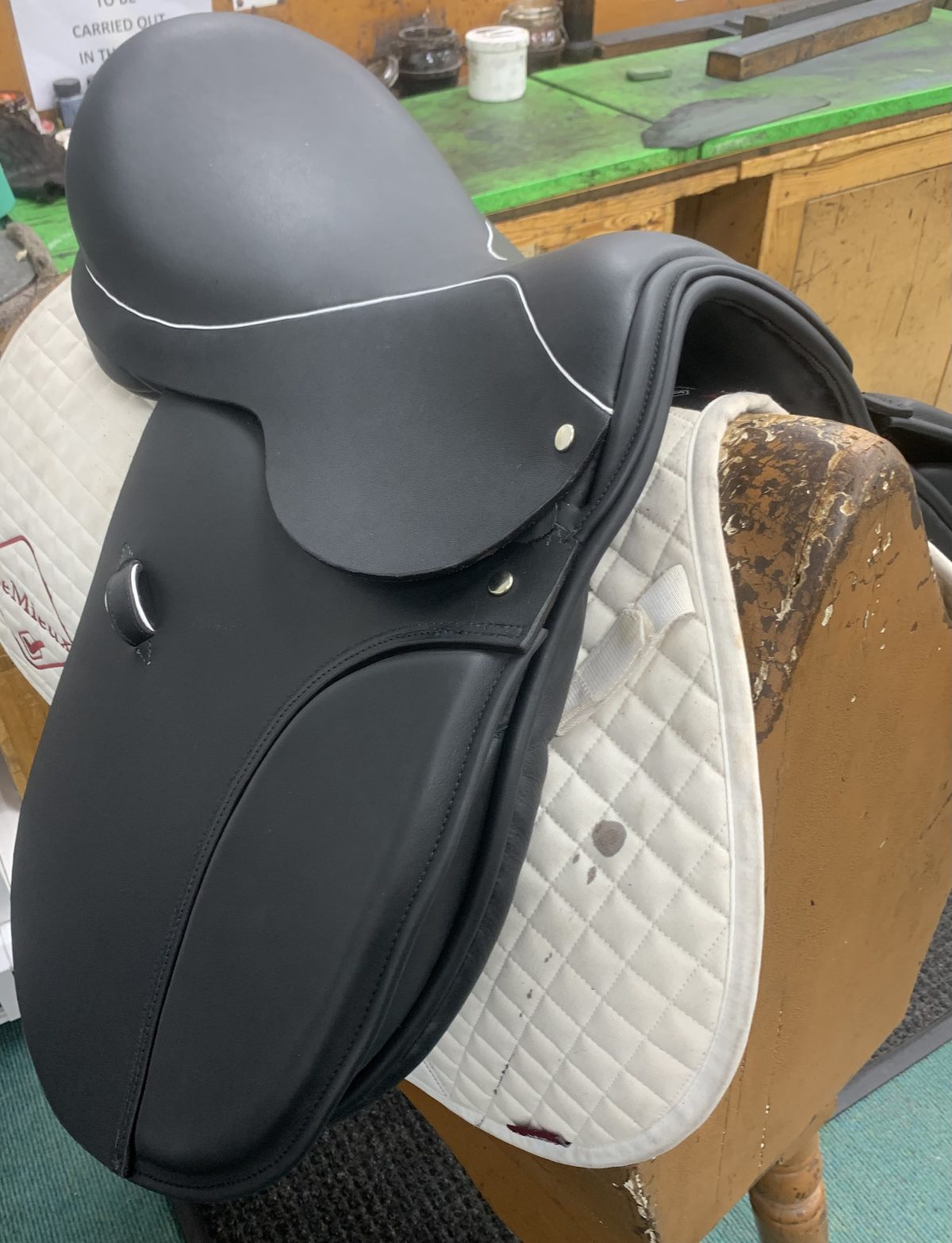
I think imposter syndrome is the hardest challenge. You constantly second guess yourself especially if anything goes wrong. It was only as I started entering competitions and I actually won, that I became confident in my work.
What small steps would you give to a young crafts person trying to be more sustainably conscious in their work?
I think the important thing is to get ethically sourced materials. You’re best to get local materials that are good quality for less wastage, however it is just as sustainable to use resold materials or materials that have been given to you. If you can save them from being wasted then you are taking steps to be sustainable.
Have you felt isolated as a maker? If so, what advice would you give to someone just starting out and looking for a creative community?
Join any societies that you can, or even social media groups. You can build up relationships with people online to ask advice or give tips. These can be craft groups or more specialised groups.
Where do you get inspiration from? What inspires your practice?
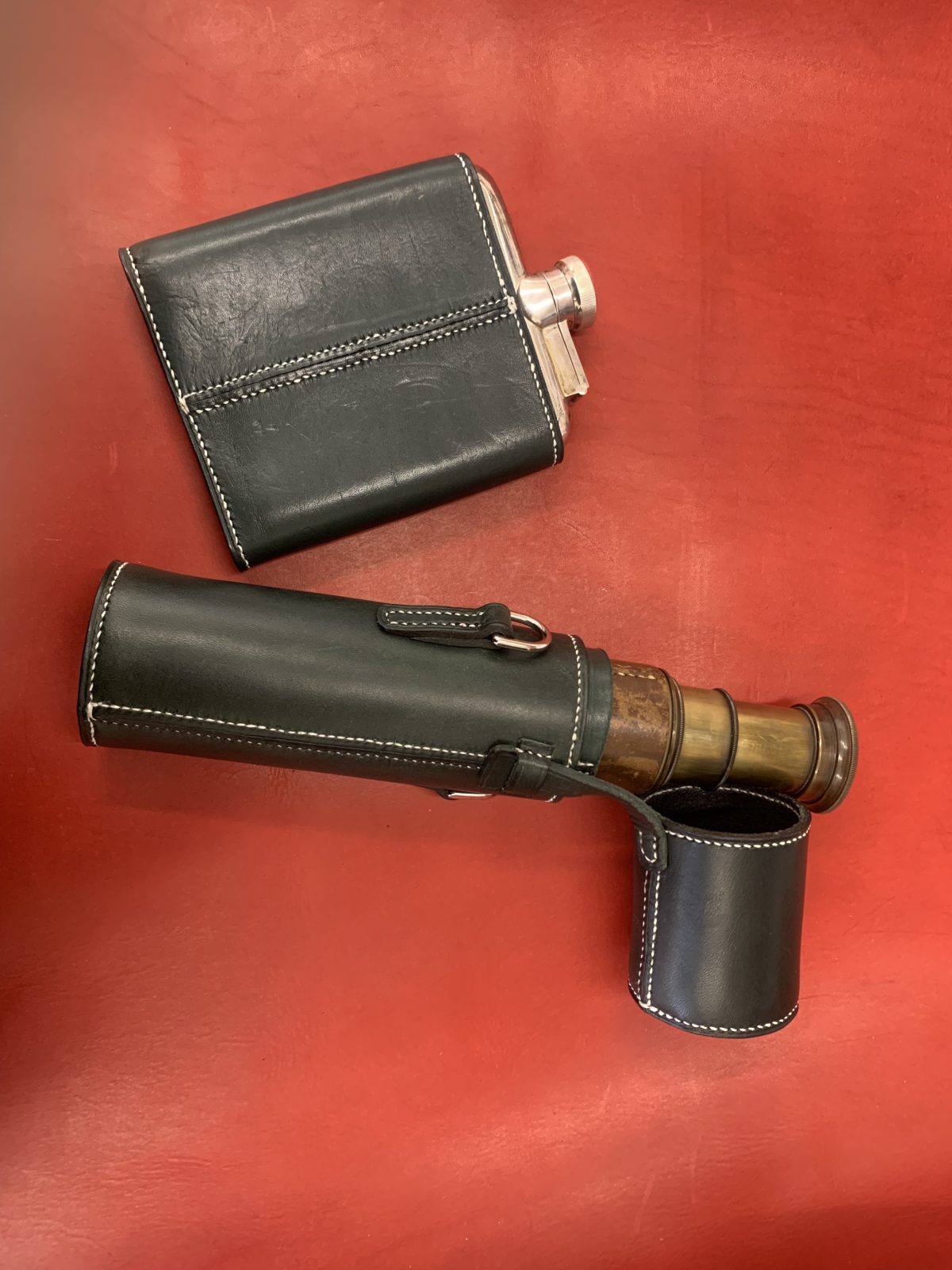
I get inspired by other peoples work and studying new techniques and ideas. I like to try new skills to see what works and looks best. If I’m looking for ideas I will search through as many pictures as I can and compare what I like about each one and combine them to create the perfect piece.
What advice would you give to a young person interested in craft?
Have a go! Try as many different crafts as you can, you may find that something you never knew existed is actually something that you really enjoy. Look into a career in craft, whether that be an apprenticeship, university, or starting on your own.
What makes you happy in your work?
Seeing how much joy it brings people when they see my work, and seeing how much more comfortable I can make the animals.