Craft Journeys: Kim Shuttlewood, Rattan Weaver
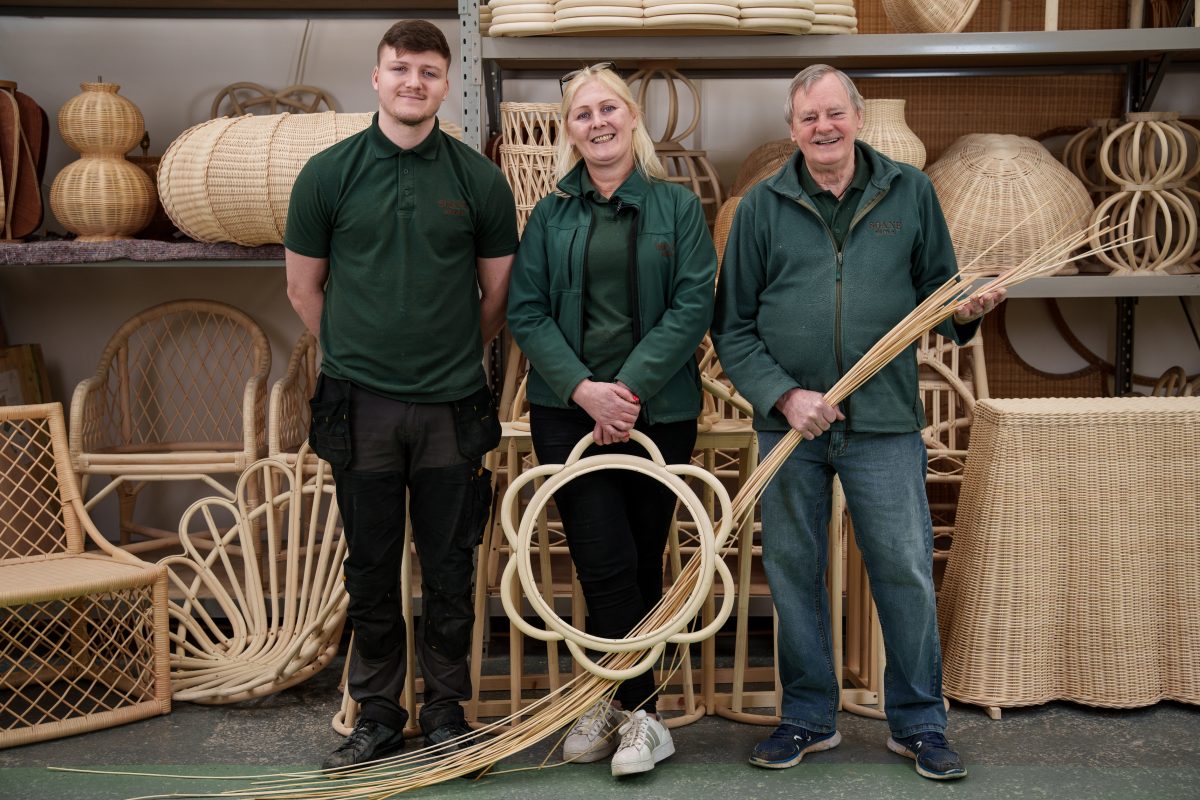
From dancing to railway maintenance, Kim Shuttlewood’s career path has been anything but traditional. Today, she is a highly skilled rattan weaver based in Leicester and has spent the last eight years working at the UK’s only remaining rattan workshop at Soane Britain.
We spoke to Kim about growing up surrounded by craft, learning from her father, and why working with natural materials means no two days are ever the same.
What was your first introduction to craft and making?
“My dad has worked with rattan since he was a teenager, so I grew up surrounded by it,” Kim explains. “Our house was always full of rattan furniture and materials.”
Although Kim originally trained as a dancer, her career took her in many different directions before she found her way back to craft. She worked in hospitality and railway maintenance before eventually training as a rattan weaver under the guidance of her father, Chuk.
Some of her strongest memories are of cycling to the workshop after school to meet him at the end of the day. Years later, her own children would continue the tradition, visiting their grandfather at the workshop after school.
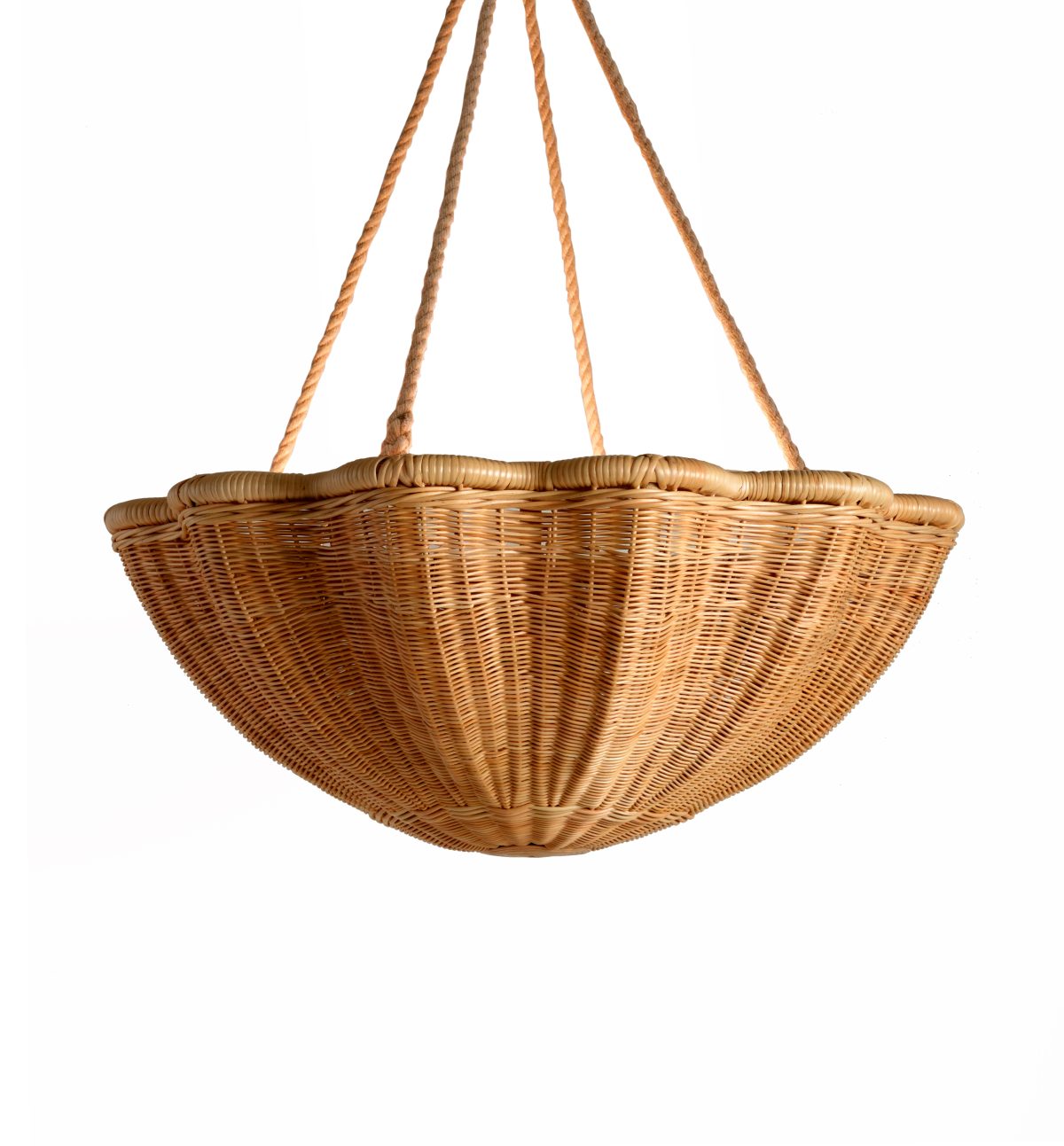
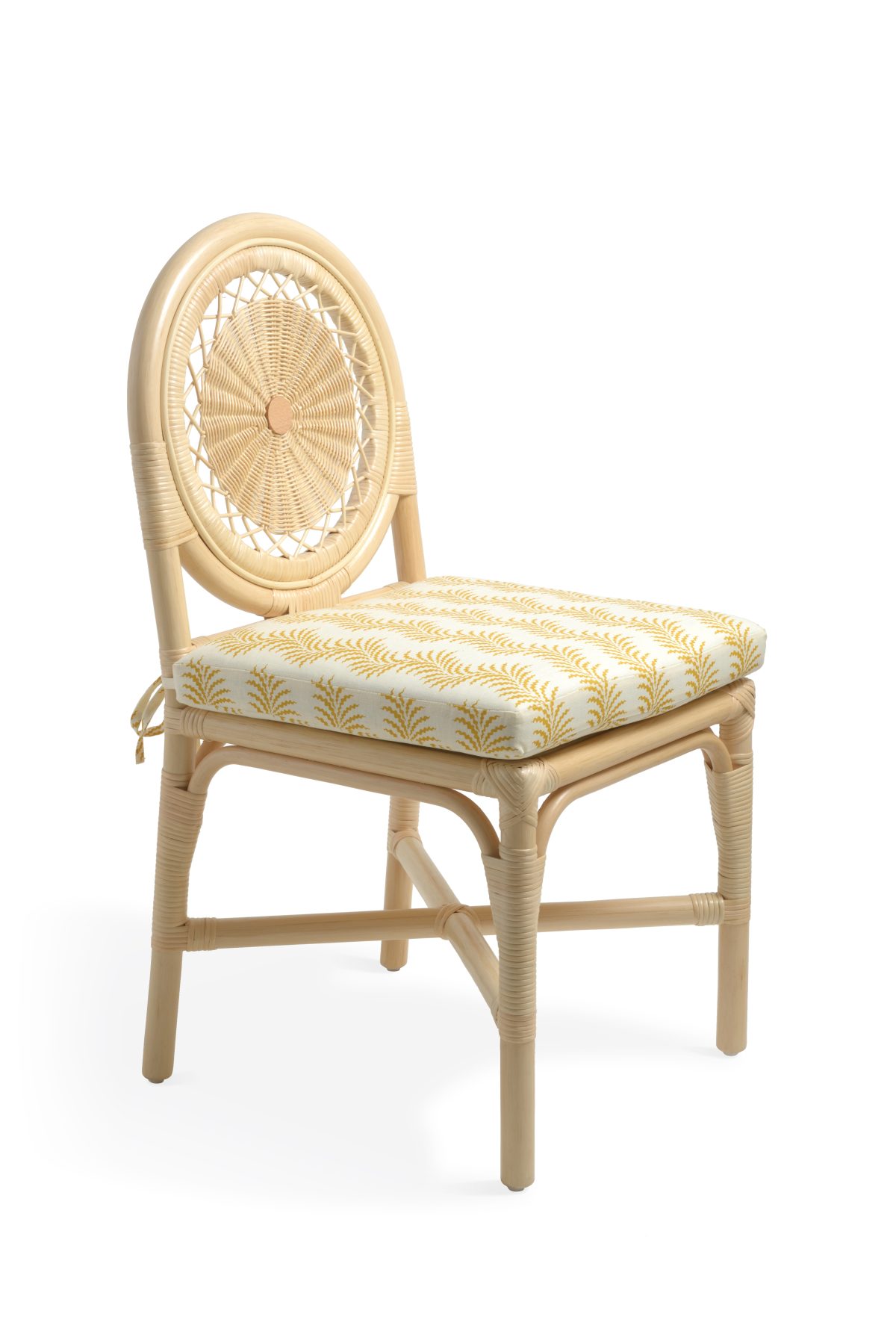
Can you share your journey into rattan weaving?
When Soane Britain took ownership of the UK’s last remaining rattan workshop, Chuk came out of retirement to help preserve the craft and pass his skills on to a new generation. He encouraged Kim to apply for a role at the workshop, beginning her own journey into rattan weaving.
Since then, craft has become a true family tradition. Kim’s son Leon trained as a rattan frame maker, while her daughter Leoni followed in the footsteps of both Kim and Chuk to become a rattan weaver.
Kim says one of her proudest achievements is being able to work alongside her children in the Soane workshop. “It’s really special seeing the skills being passed down through the family,” she says.
What challenges have you faced along the way?
Kim describes rattan weaving as physically demanding and highly technical. “Every day is a challenge,” she explains. “Even if you’re weaving the same design, it’s never exactly the same twice.”
Because rattan is a natural material, every bale behaves differently. Some can be more difficult to work with than others, meaning weavers constantly need to adapt their techniques and respond to the material in front of them.
Kim also had to overcome the challenge of being left-handed while learning from her father, whose methods were right-handed. Over time, she adapted her approach to mirror his techniques and now leads with her right hand while weaving.
Discover more
Find out more about the process of rattan weaving and the makers at the heart of the UK’s only remaining rattan workshop through Soane Britain.