Memorialising fashion: Ho-yin Man, Hofi’s journey from designer to conservator
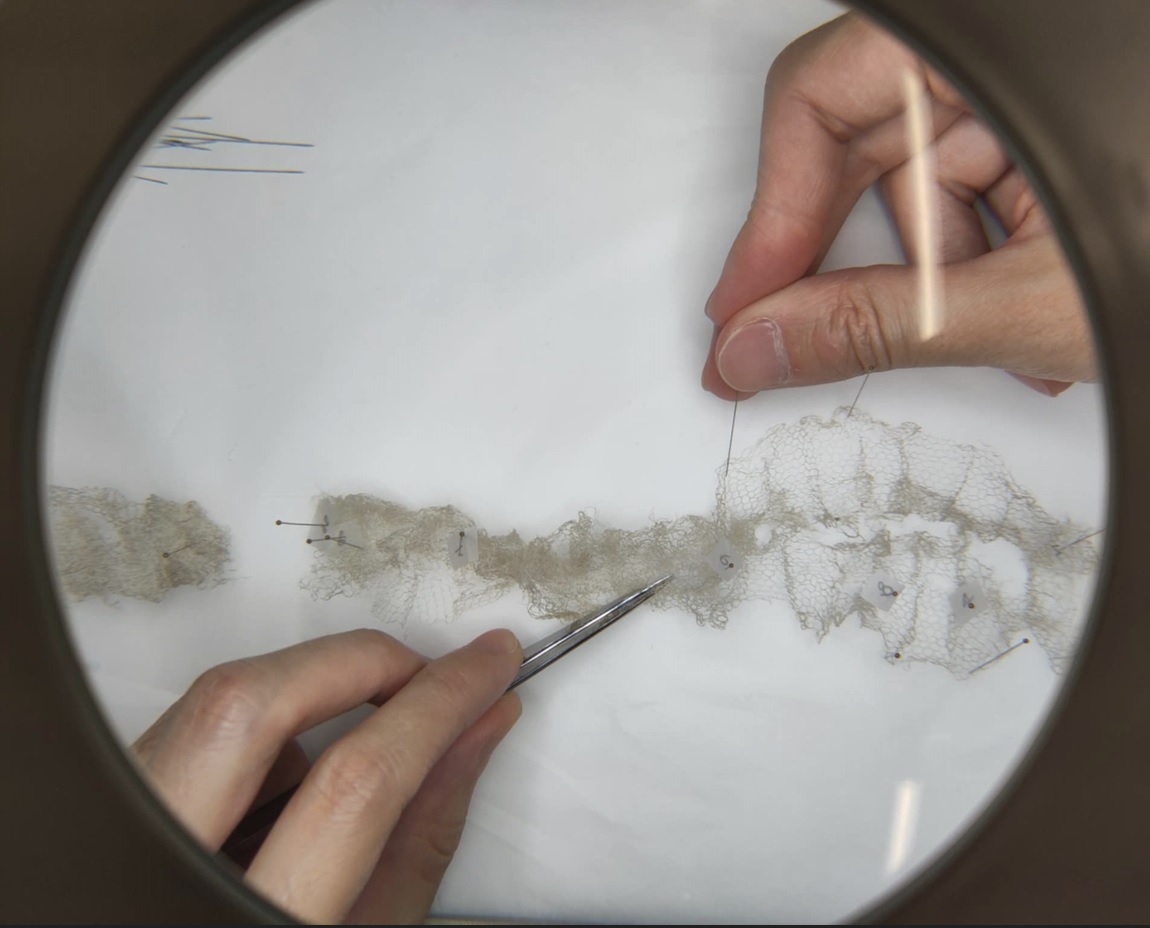
While interning at QEST, Alyssa Salcedo spoke with Ho-yin Man, Hofi, who reflected on his journey from designing garments to preserving them. In this piece, the 2025 QEST Clothworkers’ Company Scholar shares how clothing — no matter how mundane — holds an earnest beauty through the memories quietly embedded within them. By pursuing the art of textile conservation, Hofi explains how he not only mends garments but also time, stitching together his reminiscence of the past with the excitement of his evolving career.
Can you introduce yourself and your craft practice?
My name is Ho-yin Man, Hofi. I am an emerging textile conservator who originally trained as an artist, fashion designer, and dress historian. I focus on the material culture of clothing, considering its cultural and historical significance, looking into the stories interwoven within it. Prior to my study in conservation, I have worked across various disciplines in textiles and clothing, including fashion design, styling, costume assistant for film and advertising, culture editor, and lecturer, which provides me with different angles looking into textiles and clothing.
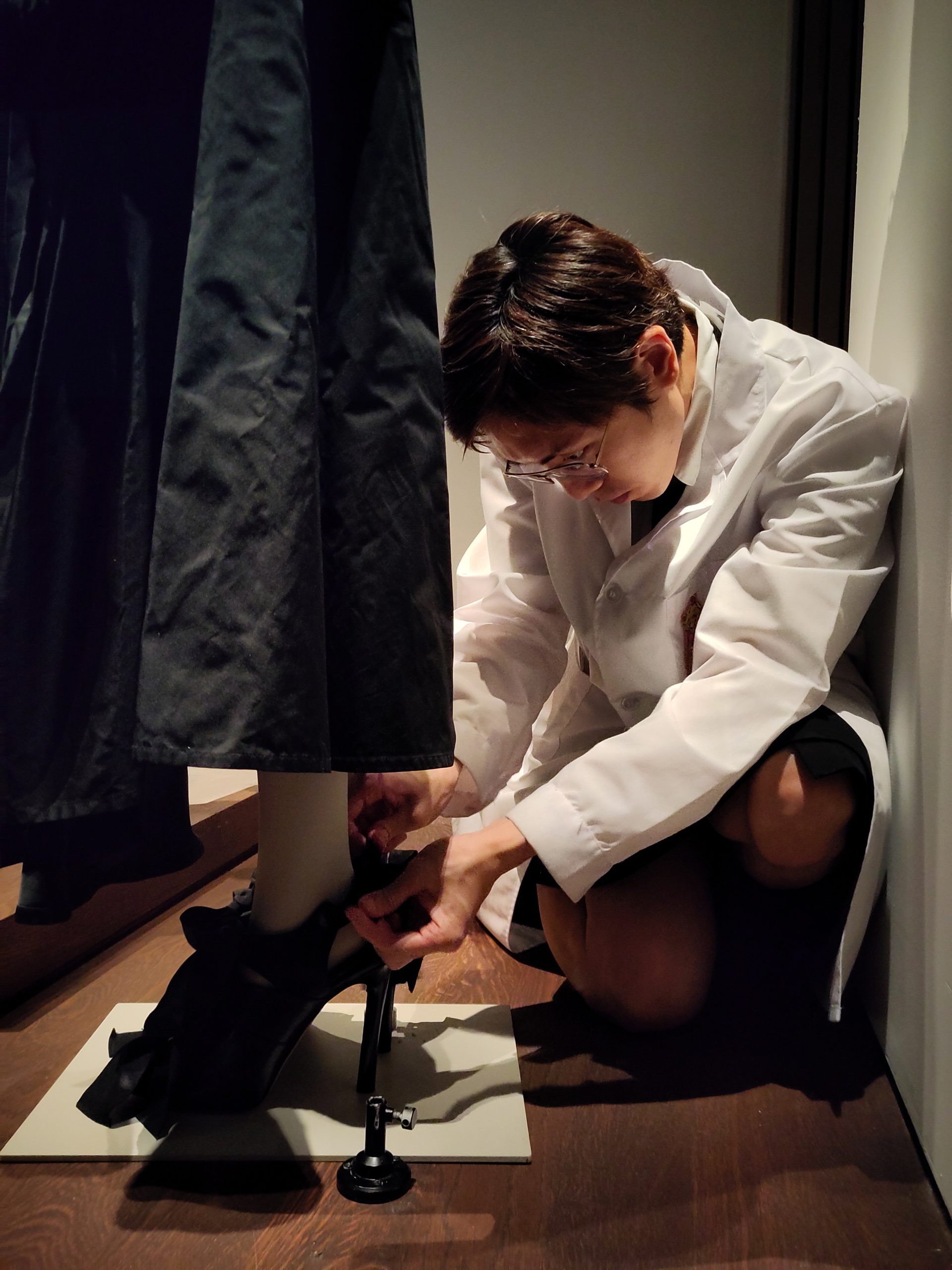
As a profession that combines the knowledge of art and science, textile conservation is like a doctor and detective for textile objects. From documentation, condition check to treatments and packing, conservators have to look into the textiles carefully, from the material to their provenance. Knowing what is happening on the textile objects, and seeing the reason that causes the deterioration, if there is any damage to them, and to make a plan for suitable treatment for them. Understanding costume structure and creating an appropriate, historically accurate body form for display—while also preventing damage during exhibition—are important aspects of a textile conservator’s work. There are always unpredictable situations conservators have to deal with, like having a dress with glue on the sleeves. You have to be creative in figuring out the solution. Having creativity and curiosity is important to be able to face different challenges.
I recently came back from my summer placement for textile conservation training in Antwerp, Belgium. I spent 11 weeks in MoMu, the Fashion Museum, focusing on textile conservation in fashion and costume.
was there a particular moment or person during your training that sparked your desire to preserve historic dress?
I see fashion not merely as a business selling luxury garments or accessories, but as a way to express ideas and respond to our environment or social issues through clothing. My training in fashion has given me a foundation in garment construction and the fashion system, which also informs my perspective on textile conservation.
I have been fortunate to learn from experts in dress history and textile conservation, including Professor Lou Taylor at Brighton and Ann Coppinger, who first introduced me to conservation while I was studying at New York University. Lou instilled in me the value of object-based research. She showed me how handling and studying textiles directly provides essential information—texture, structure, and construction—that enriches both research and conservation practice. A memory I treasure is of seeing a wedding dress worn by three generations, grandmother to granddaughter, from Brighton’s Dress History Teaching Collection. I can see the memories shared by three generations and feel the weight of them through the traces of wear, which is heartwarming.
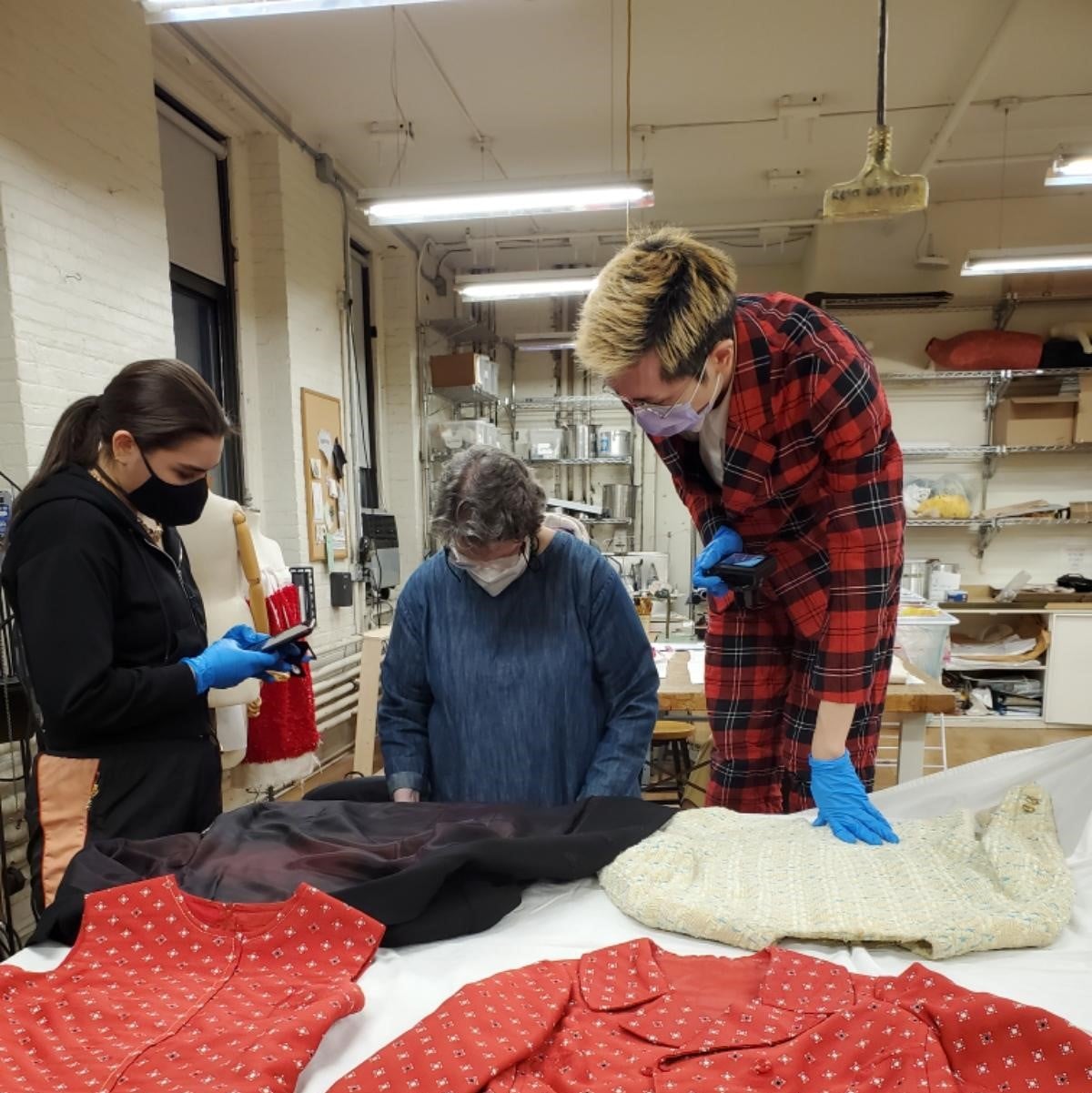
I still remember my first Costume Conservation and Display class with Ann, when she explained that nothing lasts forever—but the duty of a conservator is to buy time, so that more people can see objects and so they can survive for future generations. This idea resonated deeply with me. Around that time, when the war in Ukraine had just begun, I read about the staff at the Andrey Sheptytsky National Museum in Lviv working tirelessly to pack and evacuate their collections with limited time and resources. Their actions made me reflect on my own responsibility as a specialist in fashion and textiles, and reinforced my desire to preserve historic dress.
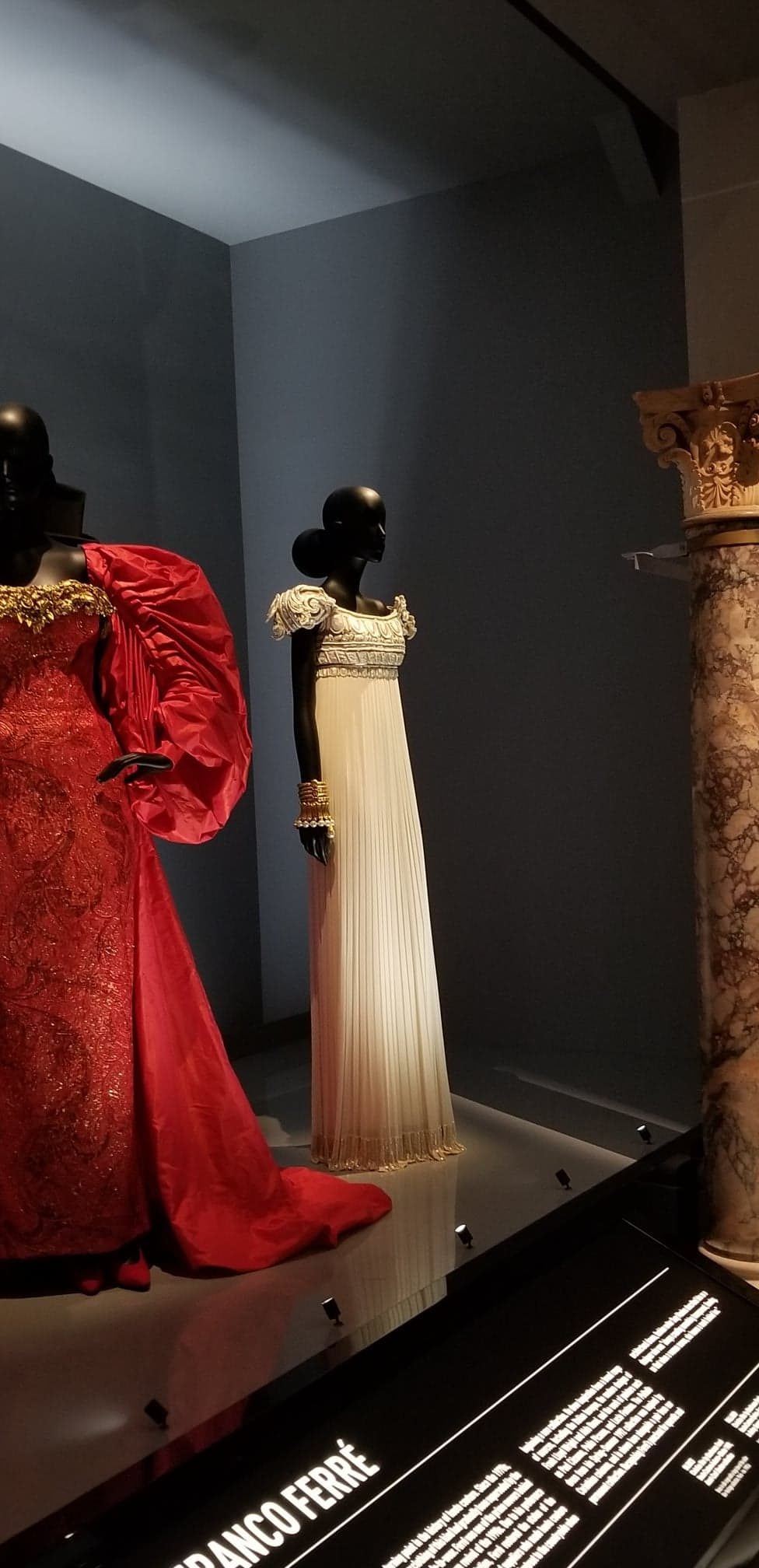
I could hardly believe that a child born and raised in Hong Kong, now studying across the world in New York, was seeing in person a dress that connected Japanese manga and French haute couture. It was one of the most unforgettable fashion moments of my life.
Another significant moment for me came in 2022, when Christian Dior: Designer of Dreams travelled from the V&A in London to the Brooklyn Museum. A classmate, Tori, who was working as a dresser there, sent me a VIP ticket. Though I arrived late due to traffic, I rushed into the exhibition hall, filled with Dior gowns. Suddenly, I found myself face to face with the Palladium Gown from Dior’s Haute Couture Spring/Summer 1992 collection—the very dress that inspired Naoko Takeuchi’s design for Princess Serenity in Sailor Moon, my first artistic inspiration in childhood.
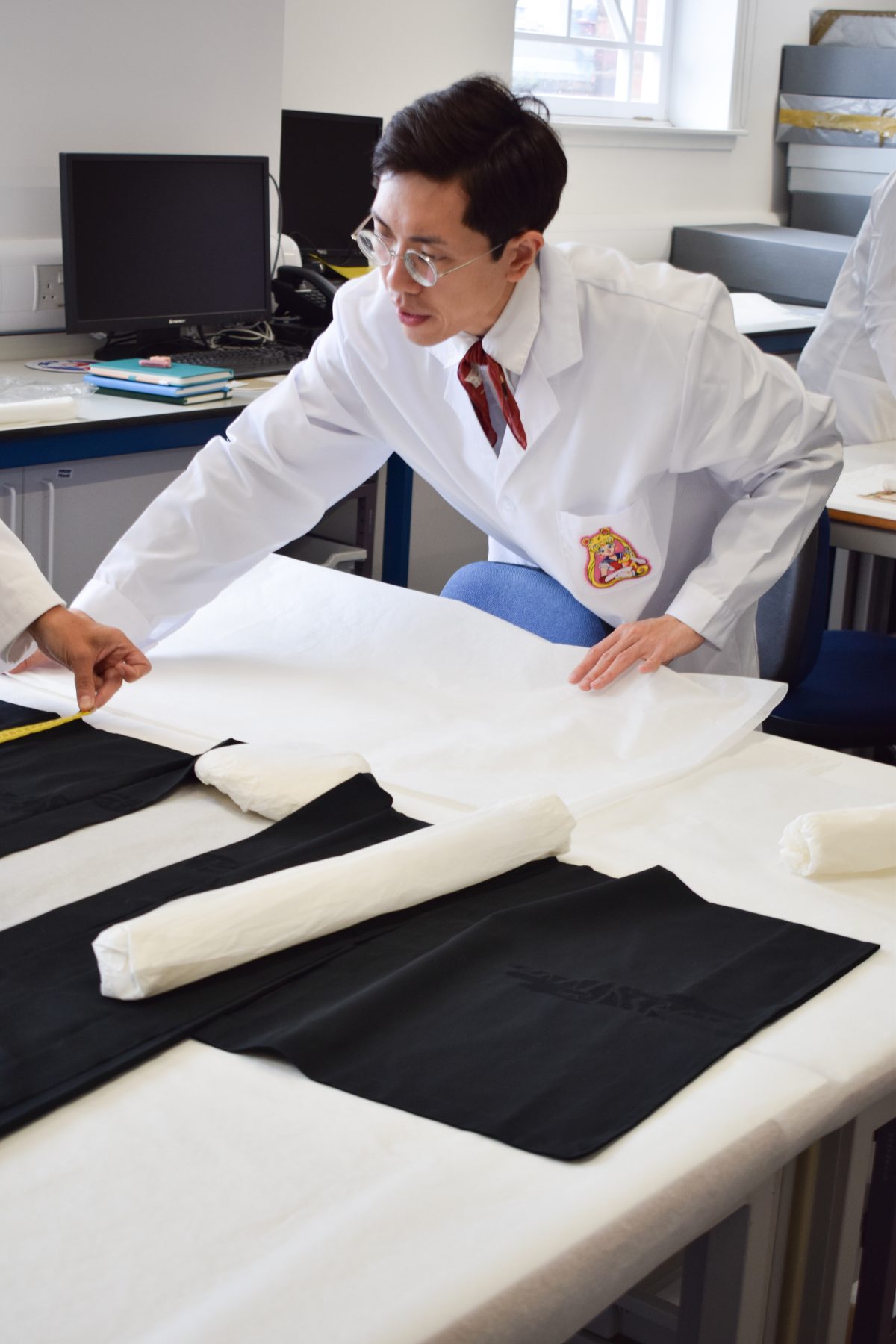
Standing before the gown, my eyes filled with tears. For a moment, time froze. I felt as though I were both my childhood self and my present self, meeting across time. I could hardly believe that a child born and raised in Hong Kong, now studying across the world in New York, was seeing in person a dress that connected Japanese manga and French haute couture. It was one of the most unforgettable fashion moments of my life. To honour this, I sewed a Sailor Moon patch onto my conservation lab coat—a reminder of my original inspiration and my belief in working with the power of love and justice.
What drew you towards the city of Glasgow to study textile conservation?
Textile conservation is a highly specialised profession that unites art and science. The MPhil in Textile Conservation at the University of Glasgow is the only programme of its kind in the UK, and one of only a few specialist textile conservation programmes worldwide. The programme carries the legacy of Dr Karen Finch, who founded the Textile Conservation Centre in 1975, pioneering education, research, and conservation practice in the UK. I feel strongly drawn to Glasgow as a place for my study in textile conservation.
Has your Asian background informed your approach to conservation?
It reminds me to remain open to learning from different cultures. Textile conservation frequently requires us to research and handle objects from diverse traditions, ensuring that treatments are culturally appropriate and respectful of their origins. I see myself as a fluid carrier of culture: Hong Kong, where I was born and raised, is a melting pot of cultures, which has shaped me to thrive in a multicultural environment– sharing my heritage while learning from others.
What advice would you give a young person considering a similar path?
Conservation is a life-long journey. It takes years to build the necessary knowledge and manual skills, and the pre-programme requirements make the entry standards demanding. Even after graduation, conservators must continue learning, staying up to date with new techniques, technologies, and scholarship. Though the path can be long, for those passionate about conservation, it is rewarding. My advice is: do not be afraid to pursue what you truly want. With confidence and determination, you will find your own path and along the way, discover the joy of learning something new every day.
Do not be afraid to pursue what you truly want. With confidence and determination, you will find your own path and along the way, discover the joy of learning something new every day.