Tips for exhibiting: how to prepare and what to bring with glass artist Laura Quinn
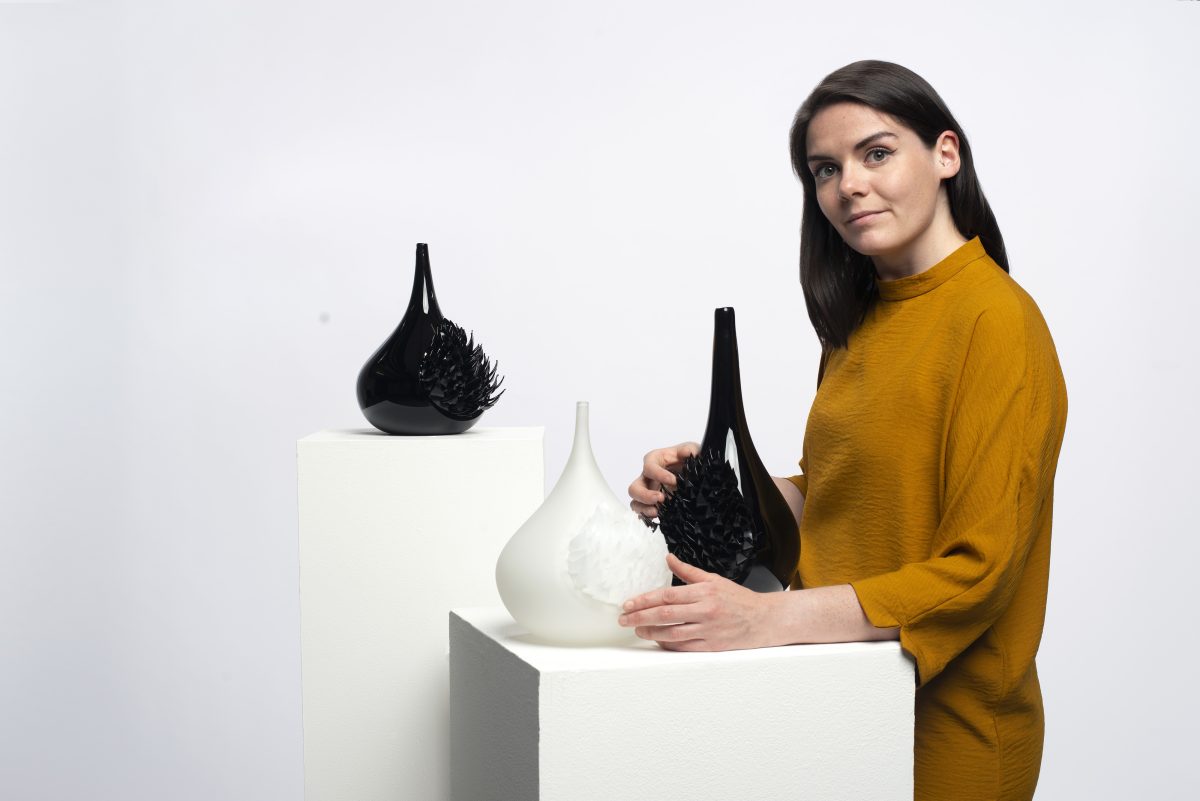
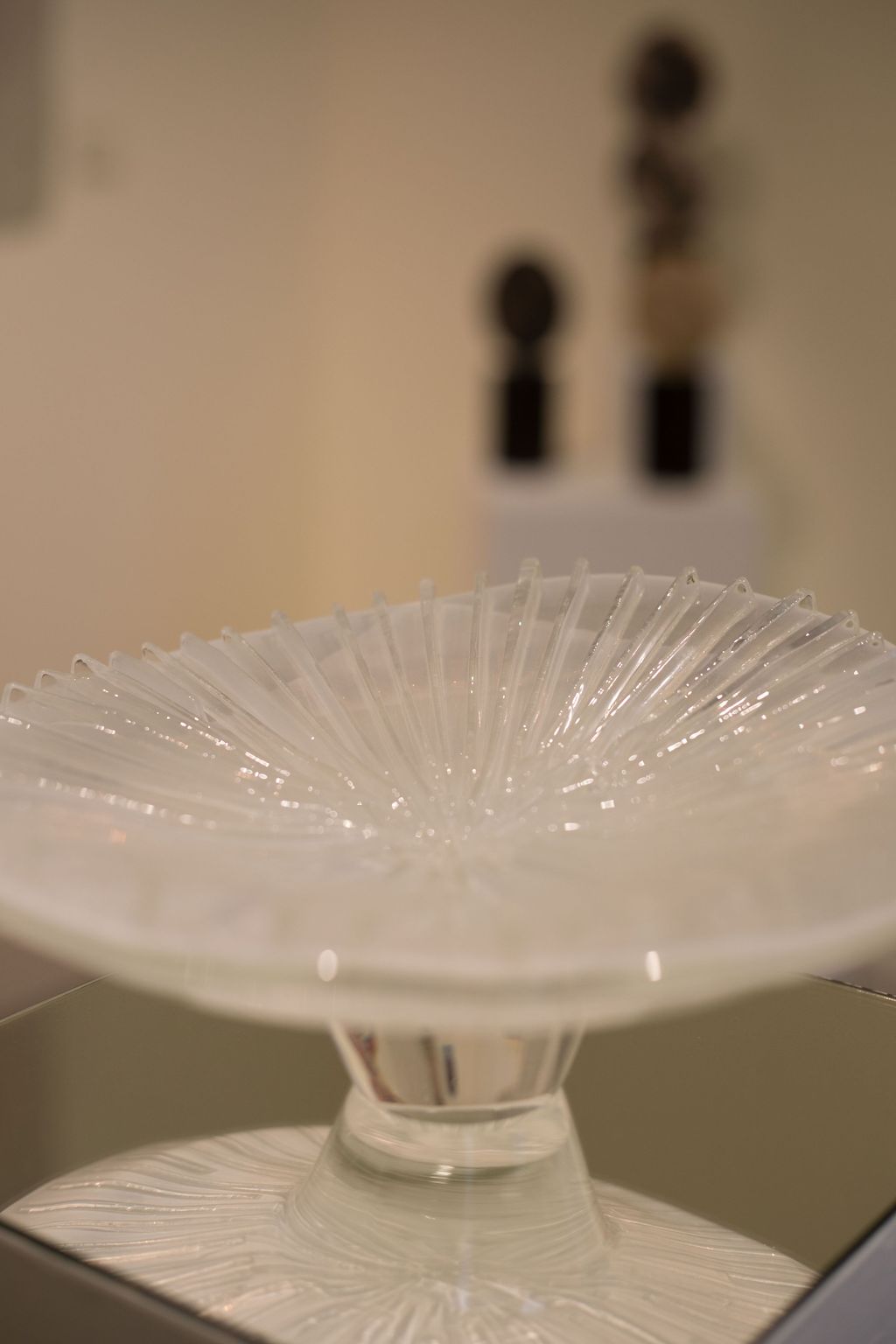
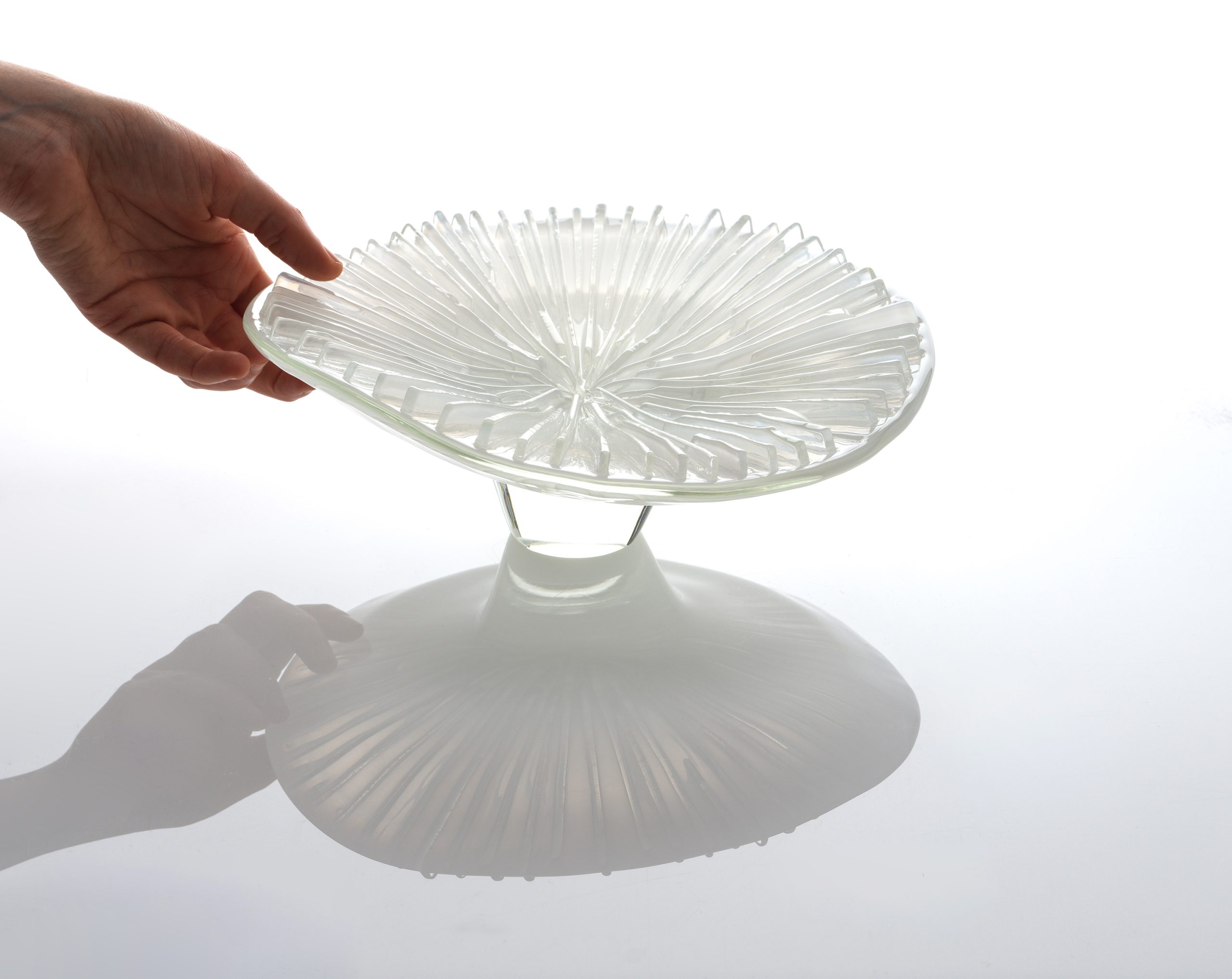
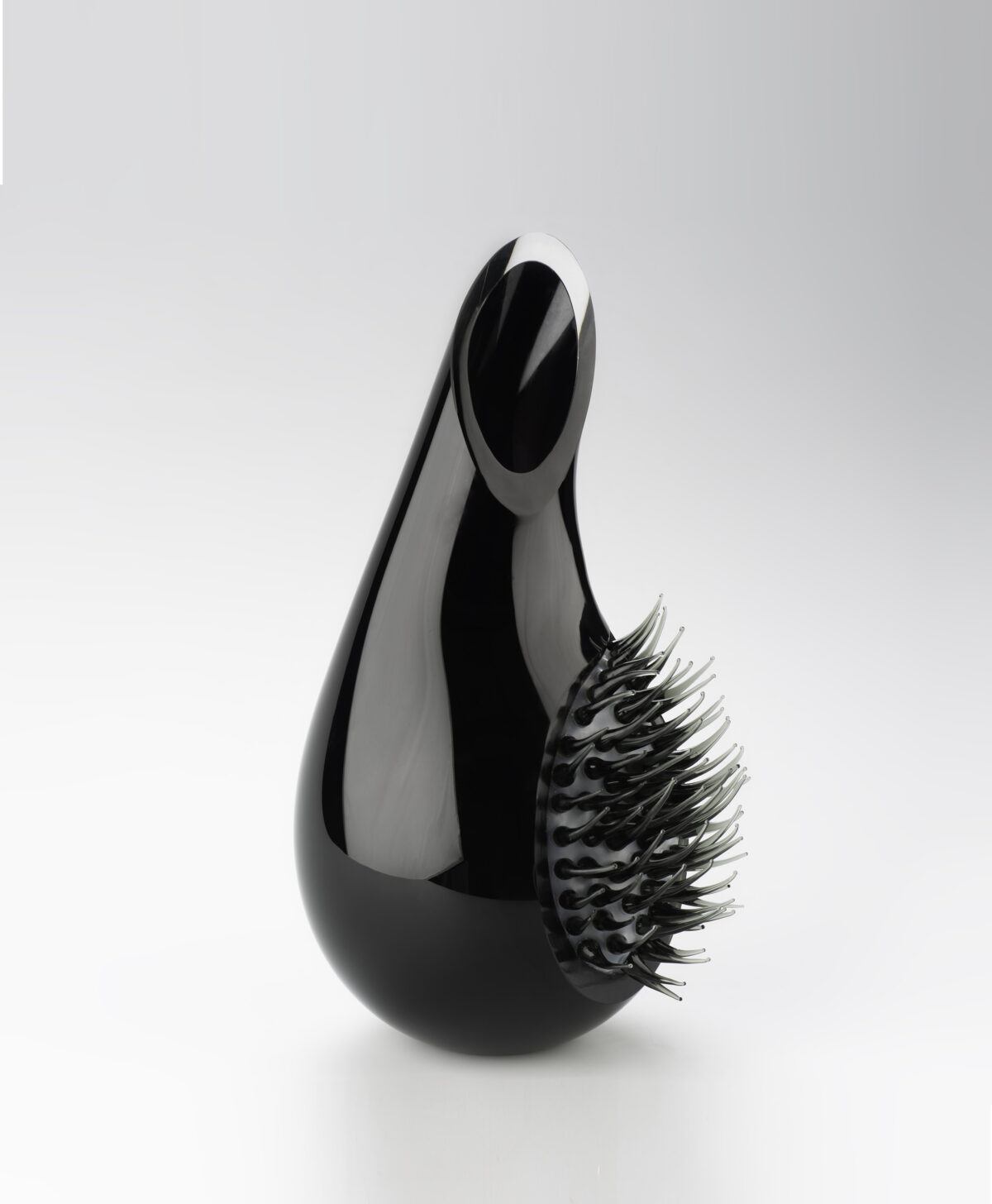
Laura Quinn with Haptic Bellow Series for QEST and Craft NI Exhibition. Photo by Gideon Fisher
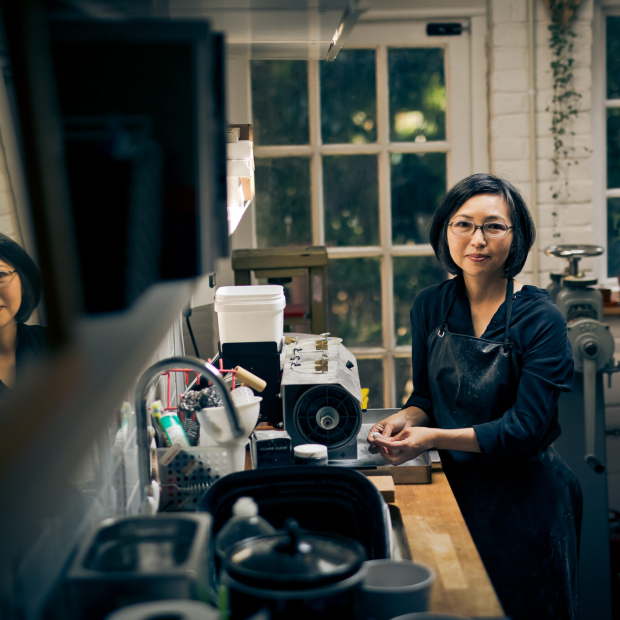
Exhibiting your work can bring many opportunities — whether it’s meeting new people, sharing your journey, or selling your pieces. For makers at any stage, it’s a powerful way to share your craft and story face-to-face. Irish designer and glassblower Laura Quinn has taken part in numerous exhibitions across the UK and Ireland. Here, she shares her top tips for preparing, presenting and making the most of your time in the spotlight.
Choosing What to Show
How do you decide what to bring to an event or exhibition? Do you have any tips for curating your selection — especially when space is limited? Do you sketch or mock up your display beforehand?
When deciding what to submit to an exhibition call out, don’t try to show a broad variety of work in the hopes that something will suit. Presenting works that have a clear and coherent theme, concept or aesthetic will make your application, and your work look more considered and better show what you want your work to say. Sometimes less is more, if it’s well thought out!
What to Bring
What essentials do you pack for an exhibition — from tools and display kit to promotional materials? And how do you safely transport your work to the venue?
When it comes to showing your work in the public space, this can range from exhibitions in galleries, being represented at a larger event or expo, or even representing yourself at an art fair. So how involved you are in the set up of the exhibition will really vary! If you are installing your own work then your own tool box is essential! But don’t worry, I don’t mean lugging around lots of power tools, you can be selective. Often, I find it helpful to test installing my work at home first to see what I will need, and to solve any issues beforehand. That way on the day you will know what you will need to install. Here’s what I tend to bring along to an installation:
- Lint free cloth and your choice of cleaner
- For detailed work a pressurised air canister (like the ones used to clean computer keyboards)
- Scissors, white tac, masking tape, double sided tape (even if you don’t think you’ll need it, bring it!)
- A spirit level
- Measuring tape
- Cordless drill and two fully charged batteries if drilling to hang work
- Assortment of screws & rawlplugs if hanging work
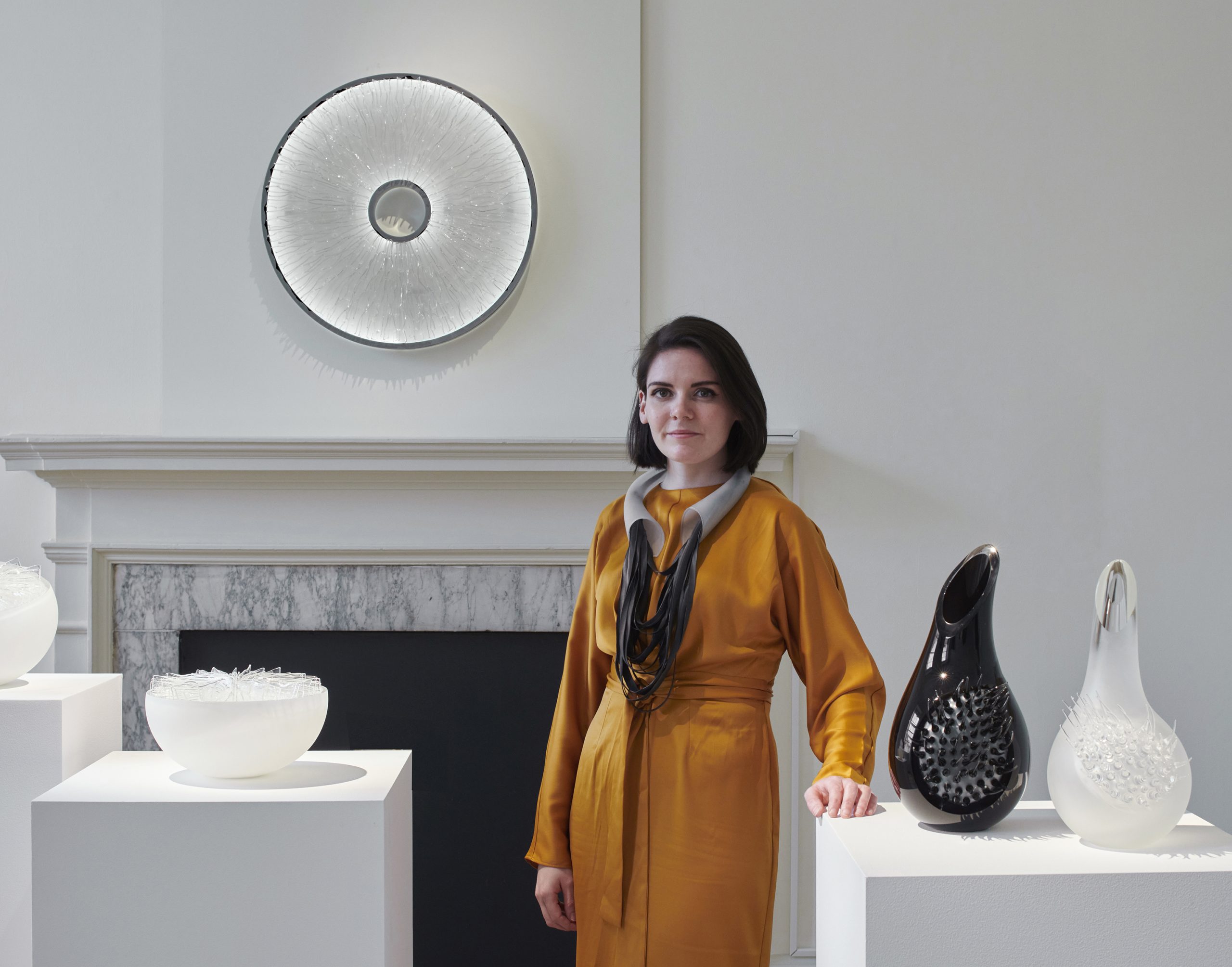
When starting out, sometimes the safest and cheapest way to deliver work to an exhibition is to deliver it yourself. For years I relied on public transport and my trusty folding trolley I got online. I have even travelled to London by train and underground to deliver a glass chandelier! But when delivering the work myself is not possible, I do use regular courier companies like DHL, DPD, UPS and FedEx. Mostly it has worked out, but fragile work must be really well packed! If you have a budget for a private courier then I always recommend using Elite Express Logistics for a door to door, same day and fragile handling service.
Lastly, but almost as important as the work itself, is to bring business cards! Not all exhibitions will display business cards with the work, but they may keep a small stash for interested buyers etc. so always ask in advance. Use a good quality printing company for your business cards. Having a strong image on one side can be really eye catching! If the exhibition has a private view, or a chance for you to attend and engage with the public, be sure to pop a few cards in your pocket to hand out when having conversations with audience members.
Telling Your Story
How do you prepare to talk about yourself and your practice at events? Do you have a go-to way of introducing your work, or any advice for starting conversations with visitors?
Trust me, for most of us, learning how to talk about your work and yourself with visitors feels unnatural, but it must be done, and you have to be your own ambassador. If you don’t believe in your own work, how will you convince others to! So practice is key! Perhaps try with a friend first, and ask them to approach you like a visitor you have never met. Depending on the exhibition scenario and space, being able to do something in the background can really help to put visitors at ease, and not like they will be bombarded the moment they look at your work. So dusting and cleaning other work, sorting business cards etc. can help the visitor approach and view your work in a more relaxed way, allowing them to make eye contact with you if they wish to chat. I often start off with asking them where they have come in from that day, or if they are enjoying the exhibition, this allows them to get the ball rolling by talking about themselves first.
Sales
Do you have tips for taking payments or following up with people who show interest?
I always bring a card reader with me, but often sales on more expensive work take place afterwards. I sometimes follow up with an email and thank the person for visiting and taking such interest in your work, and asking if they would like to chat more about any of the pieces they viewed.
Capturing the Event
Do you photograph your stand or share updates on social media during or after the event? What works well?
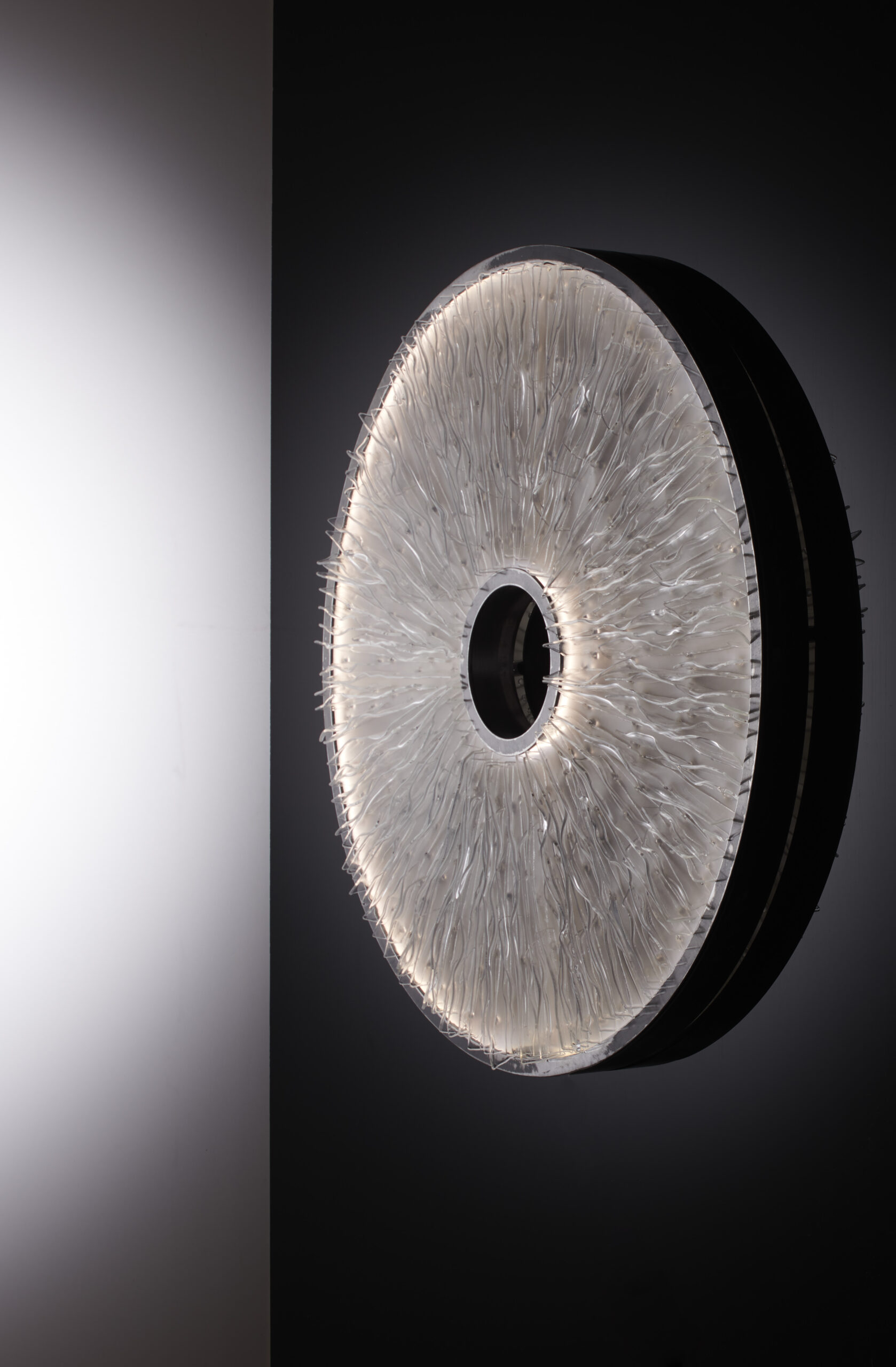
I always try to capture the event. I try to get to the exhibition space early, before it opens to the public and take images of my work in the space. Images can be taken later with visitors in the space viewing the work. If it is a major exhibition, I will allow some budget to hire a photographer to take professional images, and use it as an opportunity to get a new artist profile picture with my work. In exhibitions where there are a number of artists showing, often someone else may have booked a photographer. Sharing the cost of the photographer to take pictures of multiple people’s works can really make it a more affordable option.
Any other tips?
Is there anything else you’ve learned from exhibiting that you’d pass on to someone doing it for the first time?
Making new work for an exhibition, and then showing the work is exhausting, especially for multi-day events, so try to get as much rest as you can in advance. Bring a refillable water bottle and even a flask of tea/coffee, and snacks with you. Staying hydrated under those bright and hot exhibition lights and keeping your energy levels up is key to presenting yourself and your work in the best way. If possible, allow yourself a couple of days to decompress after an event. I have often picked up bugs and been really run down after big exhibitions, so scheduling in time to rest can help you bounce back, and reflect on your successes!