Beatrice Searle’s journey as a letter cutter
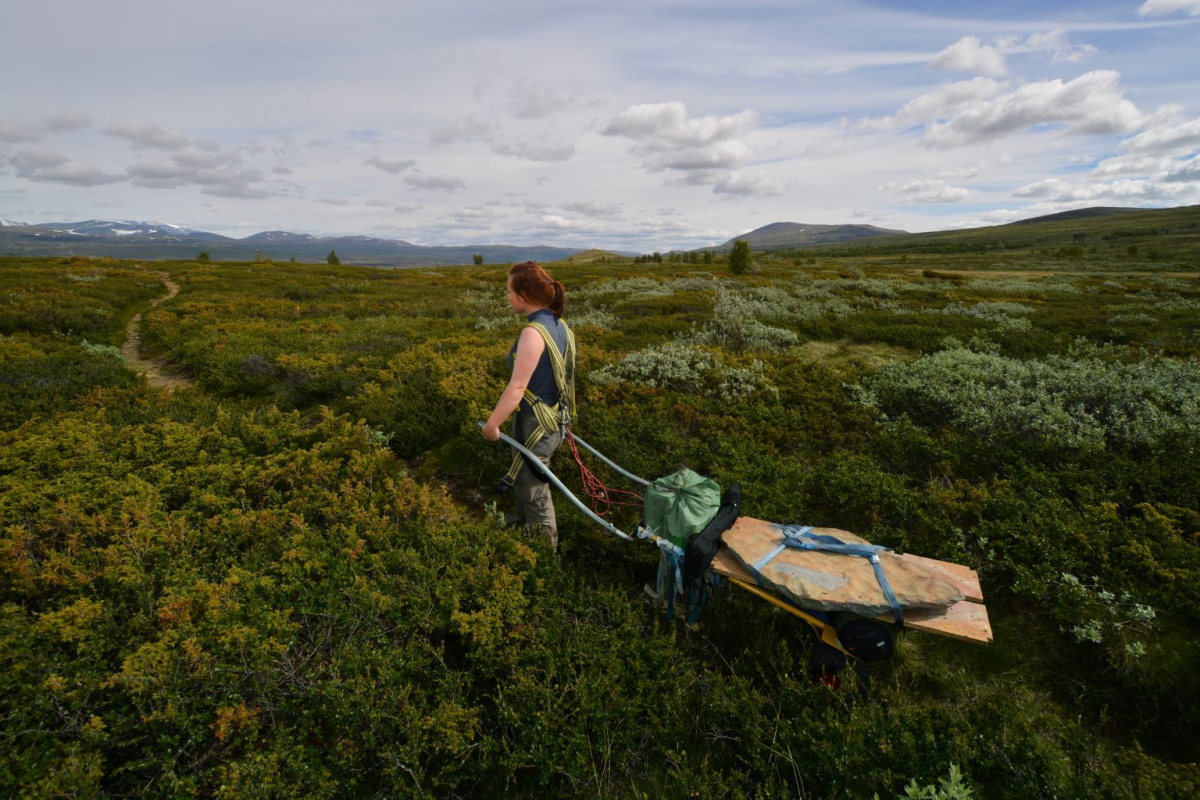
‘For the Journey and Return’, 2017
From fine art to stone masonry, and now to carving words in stone and wood, Beatrice Searle’s path into inscriptional letter cutting has been anything but linear — but each step has shaped her practice. Through a mix of traditional training, digital design, and deep historical research, she’s found her voice in letterforms. We caught up with her to hear how she built her skills, who helped along the way, and why letters are more than just shapes on a surface.
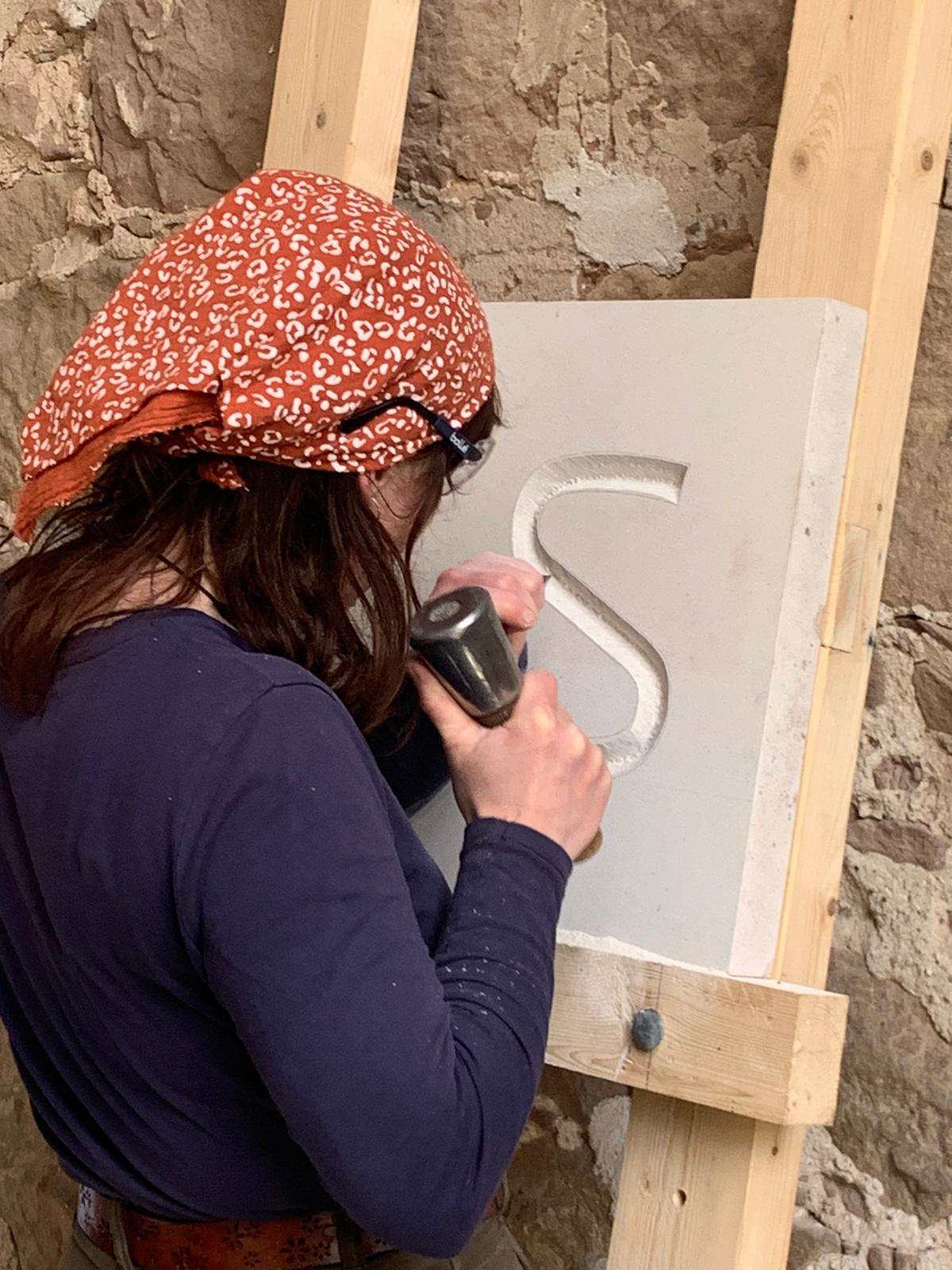
Can you introduce yourself and your craft practice?
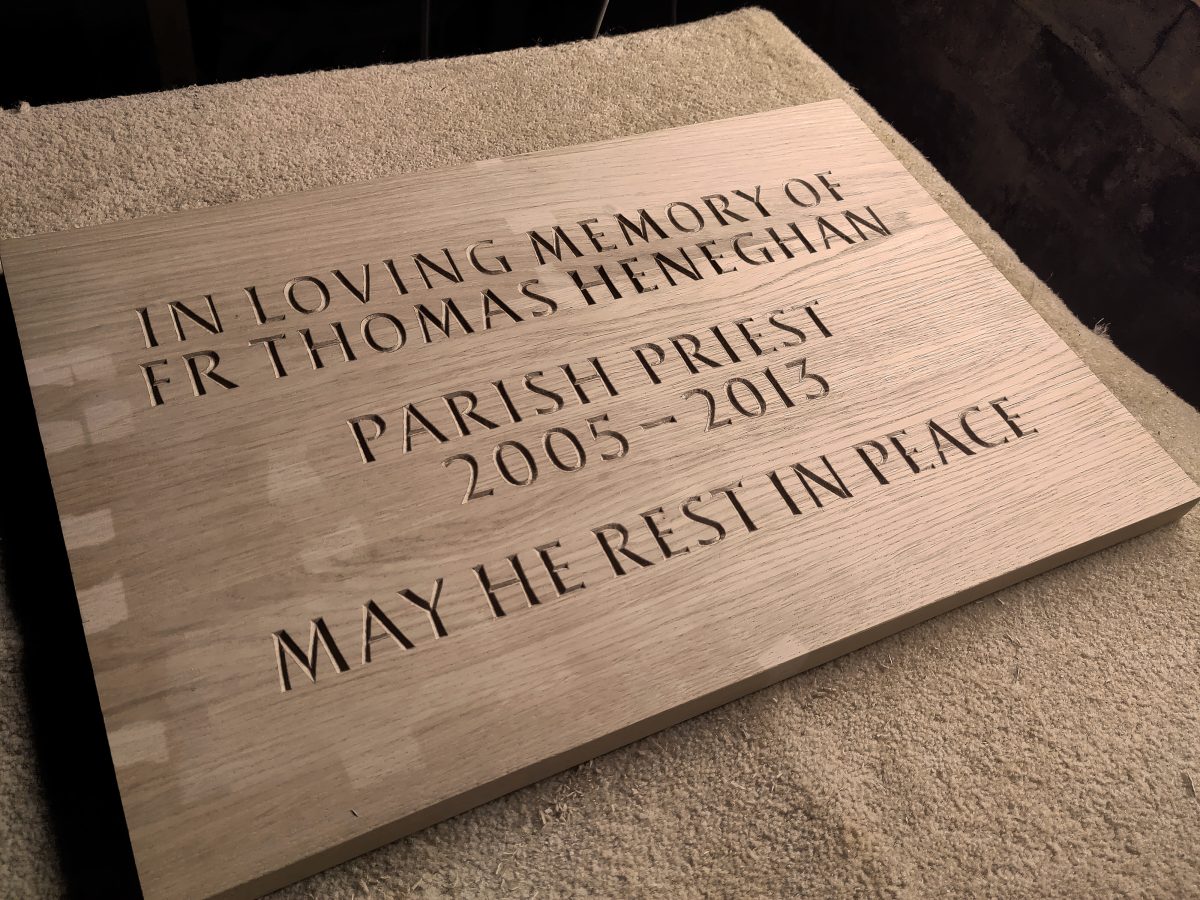
I’m an inscriptional letter cutter. This simply means that I carve words, mostly in stone and wood: memorials, plaques, the words you see on buildings, house names and works in gardens. This craft involves a lot of drawing, design and layout, talking with quarries, wood suppliers, architects and councils, carving, of course, and fixing, or installation. It is thoughtful, puzzle-solving, immensely rewarding work that I love doing.
Can you tell us about the key steps in your journey?
It took me a long time and a circuitous route to get here but all that I have done before becoming a letter cutter has informed and hugely helped me. At university I studied fine art, in particular sculpture, with a desire to use stone to express my ideas. At art school I learned about form and space but material skills were largely not on offer. After graduating I sought out stone masonry training and served a four-year apprenticeship at Lincoln Cathedral. When, as a stone worker, I was approached to do some lettering, it quickly became clear to me that letter cutting is a very different discipline to masonry. But I had some complementary abilities already; my confidence with a chisel and hammer, my knowledge of stone and my understanding of form were a great asset to me as I began on a letter cutting road.
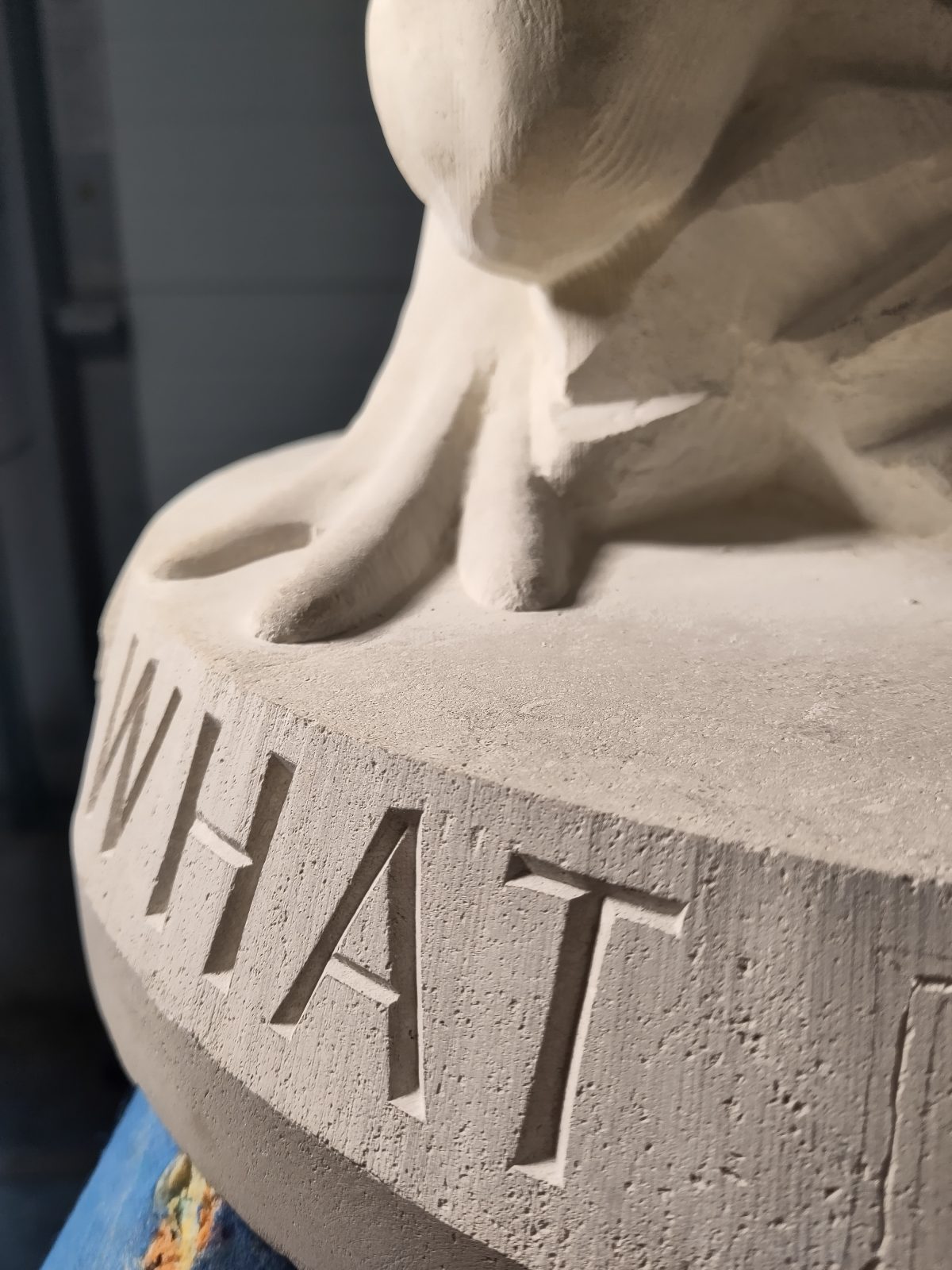
I read widely, I practiced, I attended Robbie Schneider’s course in Cromarty on drawing and carving Roman letters. In 2022 I enrolled with Lieve Cornil at the European Lettering Institute in Brugge, where I studied a tailored course in three fundamental calligraphic hands: italics, humanistic minuscules and blackletter. Without doubt, everything changed for me with allies in Robbie and Lieve. They both continued to provide guidance to me and last year I was awarded a QEST Emerging Maker grant to train with Robbie more fully. I teach with Robbie on his courses now: lettering in stone at Cromarty Arts Trust and lettering in wood at Little Sparta. So I’m learning to be a good teacher too, I hope!
What skills or experiences helped you progress the most?
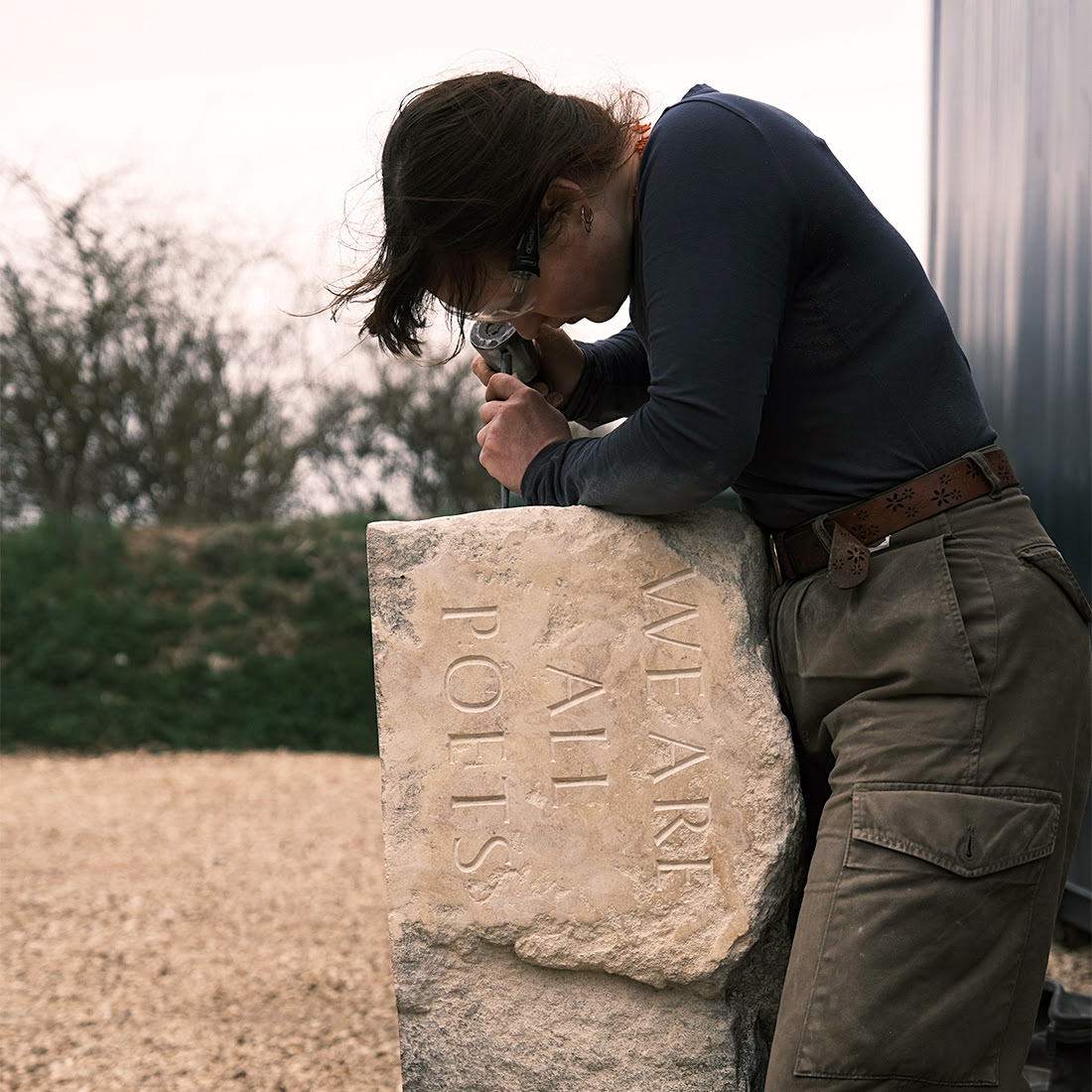
Learning to use vector drawing software has been transformative. Though I was a reluctant convert, I have found working digitally to be a valuable tool for exploring possibilities of layout and letter refinement. Having some digital skills also opens up the potential to use a greater range of materials, for which processes such as 3D printing or CNC cutting with lasers, routers or water jets might be required. When I work digitally I do this very much in harmony with a handmade sensibility, and beginning with pencil drawings.
Building a foundation in the history and origins of letters has also brought about positive changes in my work. Having knowledge of historic forms; their structure, their purpose and the tools that made them, is necessary to develop an understanding of strength and quality in letter forms of all sorts. It’s vital to creating a successful carved form, one that has a three dimensional presence and holds weight and light and shadow. The shapes of letters carry meaning and emotion and past associations. To successfully combine letter forms and words, it’s important to be aware of these.
Are there any organisations, courses, or opportunities you’d recommend?
I am an associate member of Letter Exchange and hope to earn full membership someday soon. Letter Exchange holds monthly lectures in London, which are available online too and followed by an opportunity for people of all lettering disciplines to get together and discuss what we do. Letter Exchange is a welcoming and generous group that has expanded the word of letters for me, enormously. I’d really recommend anyone with an interest in lettering to go along. They also publish a journal called Forum twice yearly, which is always a rich and interesting read.