My Journey into Horology with Andrew Canter MBWCG
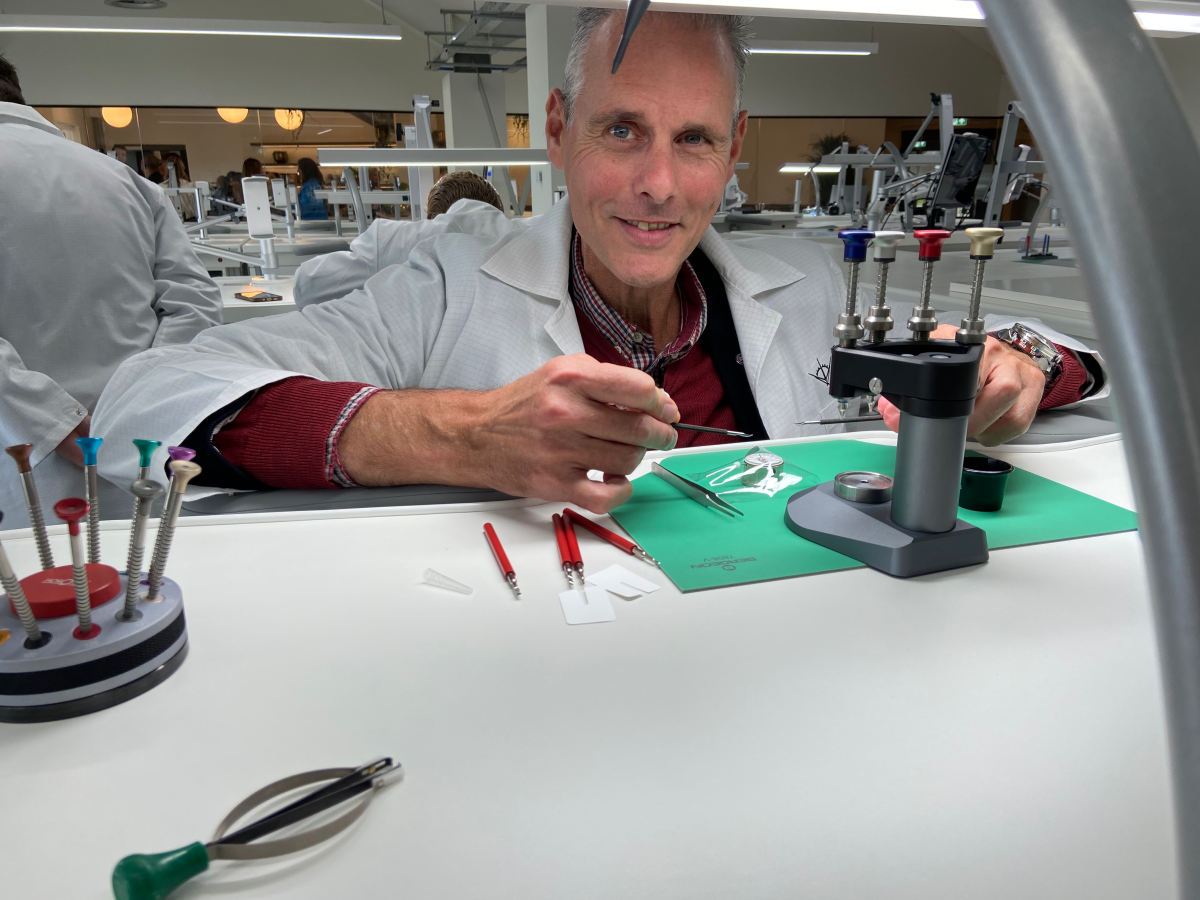
We spoke to Andrew Canter, Chairman of the Collection Committee at the Worshipful Company of Clockmakers, about his lifelong fascination with horology, from taking apart pocket watches as a child to helping steward one of the world’s most significant collections at the Clockmakers’ Museum. He shares how curiosity turned into a career, the stories hidden inside timepieces, and why watch and clockmaking continues to inspire new generations.
What was your first introduction to horology?
My first introduction to horology wasn’t a single dramatic moment, but a quiet one that stayed with me. From an early age, I was always fascinated with mechanics and how things worked. My Dad would take me to museums, like the Science Museum in London and places with interesting items that showed how things worked.
We also visited antique fairs and markets. I started to seek out old pocket watches that weren’t working. I used to buy them with my pocket money and soon realised that they were more than just objects telling the time – they carried their own stories.
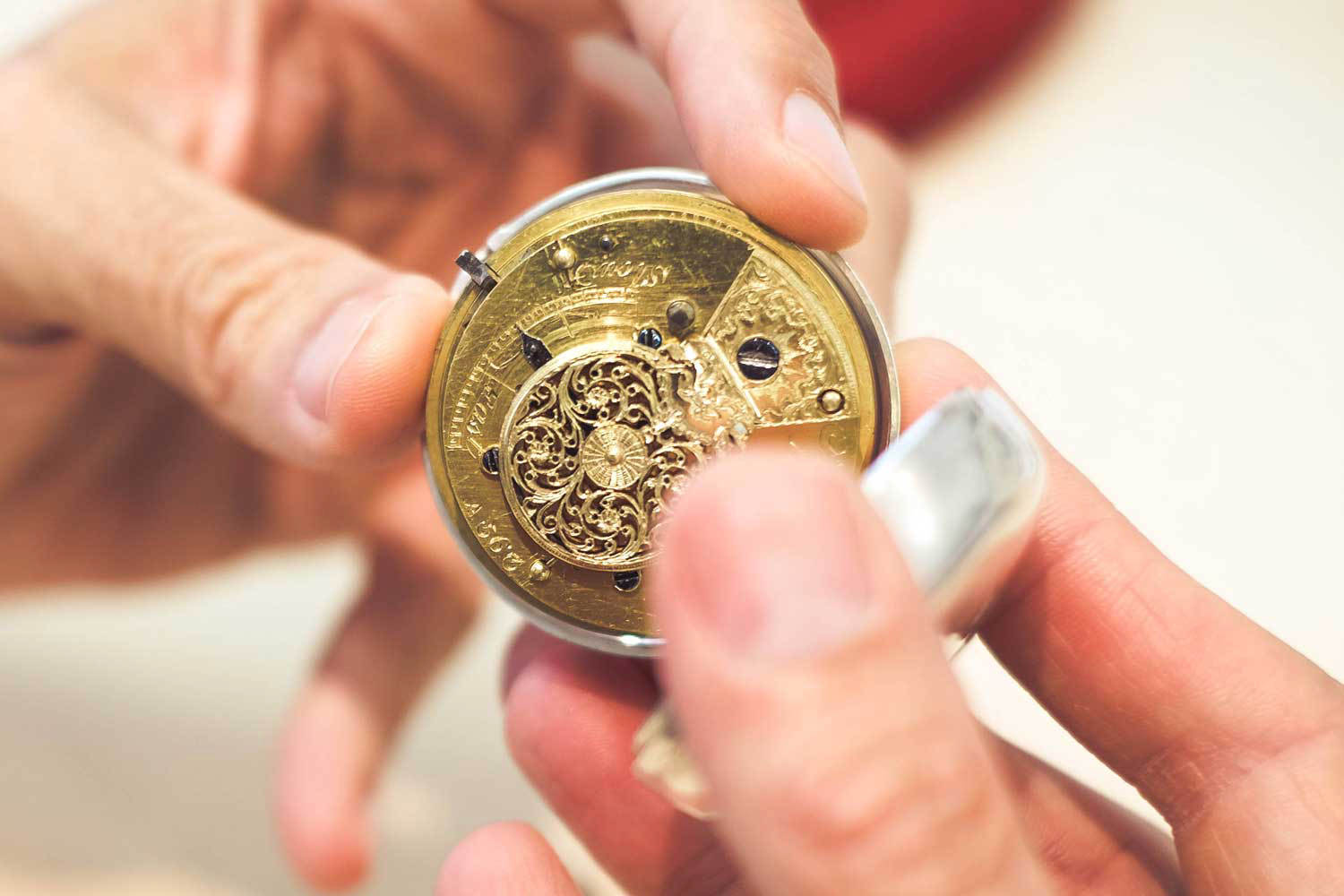
I remember looking inside at the movement and thought how amazing it was and how each part was made, mostly by machine, but often in the early pieces by hand. It was incredible that inside this small object was an entire universe of engineering, history, and human ingenuity.
This developed over time and expanded into old clocks. When I’d start to take them apart, I’d often see initials and a date scratched into the case or back of the dial from a previous repairer. My imagination would wander into thinking about who owned these pieces and about the watch and clock makers who made these wonderful items and those who repaired them over the past two hundred years. Each component had been shaped, assembled, and adjusted by human hands, all working together in perfect harmony.
There is no greater feeling, when a watch or clock that hasn’t worked for a hundred years, suddenly comes back to life after cleaning and restoration – it’s just like magic.
Horology became, for me, a bridge between art and science, tradition and innovation—and once I stepped onto that path, there was no turning back.
Can you tell us a bit more about your current role?
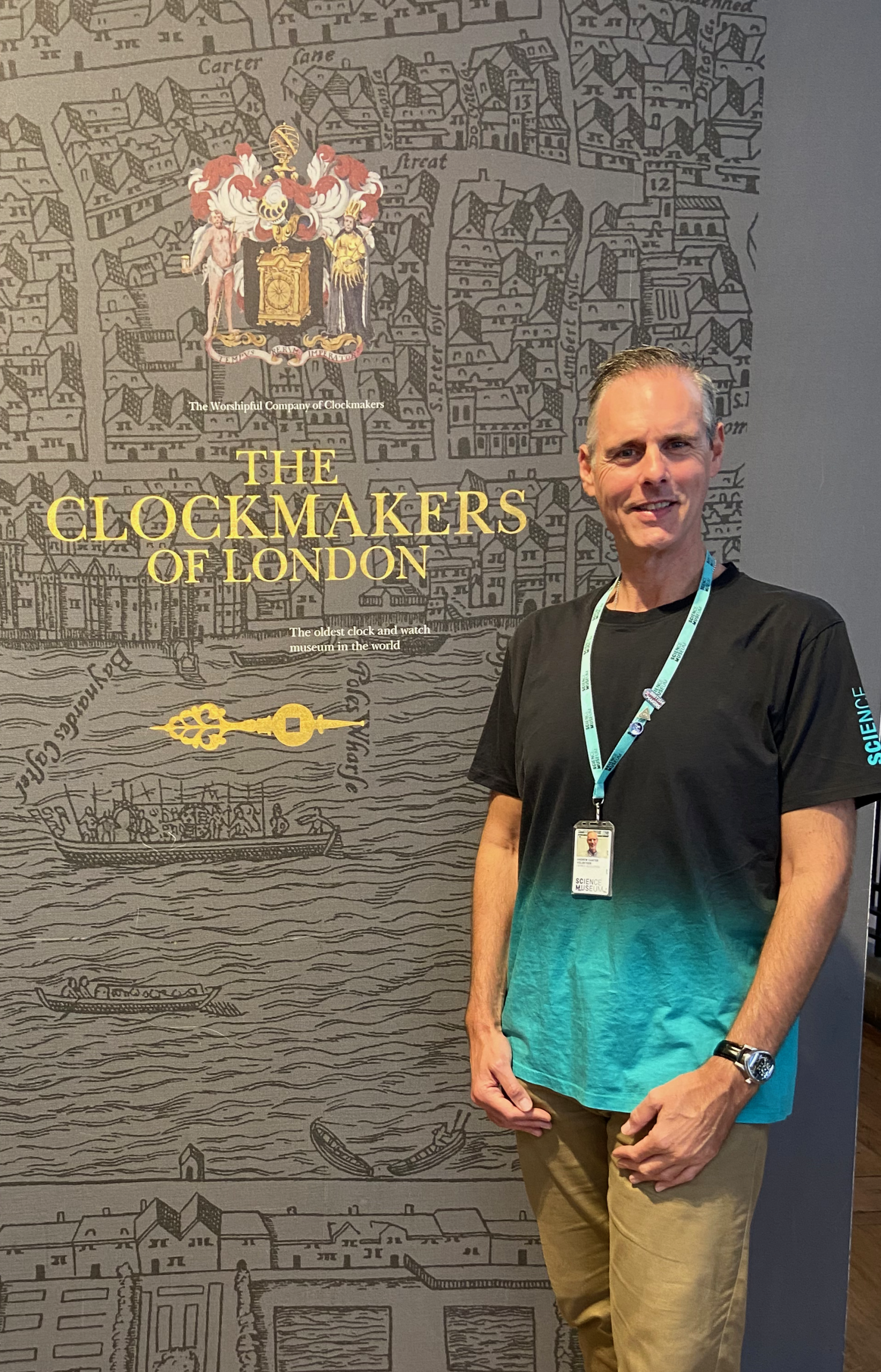
I am the Chairman of the Collection Committee that acts as the custodian of both objects and stories of the Clockmakers’ Museum that is based at the Science Museum in London’s South Kensington. The Clockmakers’ Museum is the oldest and one of the most historically significant collections of clocks, watches, and horological artefacts in the world, owned and assembled by the Worshipful Company of Clockmakers.
Its overarching mission is to educate, preserve, and inspire through the story of timekeeping and the craft of horology. In my role I ensure that clocks, watches, chronometers, tools, and related artefacts are conserved with the highest standards of care, safeguarding them for future generations to learn from and enjoy. I also provide strategic direction for the Committee, shaping how the collection evolves and how it supports the Museum’s mission. I work closely with the Museum’s Curator to support exhibitions, loans, and educational initiatives.
I am also a volunteer tour guide at the Museum and take regular object handling sessions, where we show a collection of watch and clock movement parts and associated items to visitors of the Museum. They are hugely popular and allows us to directly interact with visitors and extoll the virtues of watch and clock making. Also, part of my outreach role is to visit schools to promote watch and clock making as a career through the apprenticeship schemes that the Company offers.
Are there any key moments that have shaped your career journey?
Early on in my career I found a local Clock Group that met on a weekly basis in the evenings. This was a brilliant way to meet like-minded horologists. We had great fun talking about our latest acquisitions and what we’d like to buy. As a collector there is always something else you need. This developed into a more formal training group where we would bring items from our collections that we would restore and repair. The group was led by an expert British Horological Institute (BHI) trained watchmaker and repairer who inspired me to continue my learning allowing me to repair, restore and service antique watches and clocks.
What advice would you give to someone who wants to work with clocks or watches?
Work out what area of horology you want to pursue. Is it antique clocks you want to restore? Or do you want to specialise in repairing antique pocket watches? Or do you want to make your own watches?
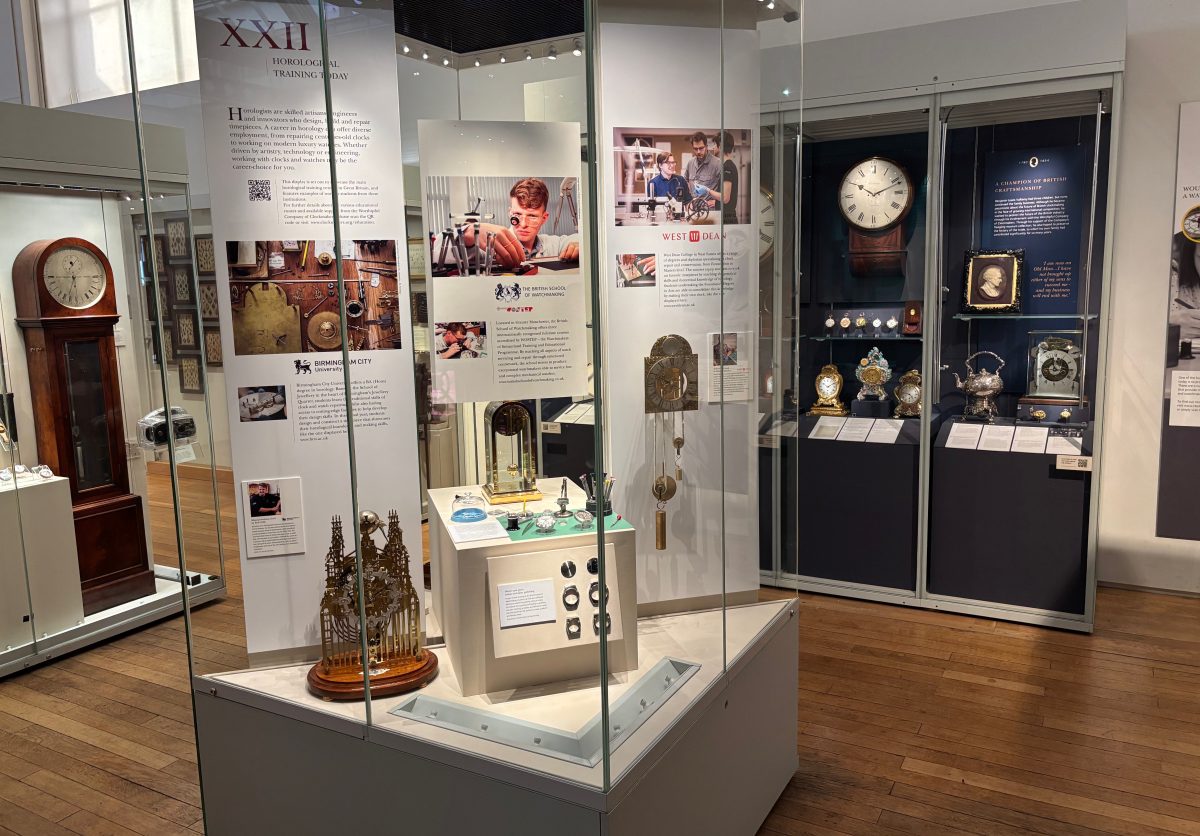
Once you’ve decided, then do your research. There are several options for learning how to become a clock or watch maker as detailed below.
There are academic institutes that offer specialised horology courses, e.g. Birmingham City University (BCU) and West Dean College. Professional training courses are available for watchmaking through the British School of Watchmaking (BSOW) and BHI who also offer clockmaking courses.
I would also suggest you seek out local horology groups and join organisations such as the BHI, Antiquarian Horological Society (AHS), who have groups across the country. The AHS also hosts events that bring horologists together.
There are also membership organisations that you may want to consider joining once you are qualified such as the Worshipful Company of Clockmakers, British Watch & Clock Makers Guild, and Alliance of British Watch and Clock Makers.
We’d love to see you in the Clockmakers’ Museum soon.