Conserving the Past: The Craftspeople Protecting Britain’s Heritage
27th October 2026
Every object tells a story.
Whether it’s a centuries-old manuscript, a historic building, a treasured photograph or a work of art, these objects connect us to our shared history. Yet without ongoing care and specialist skills, many of them would be lost to time.
Conservation is often misunderstood as simply repairing damaged objects. In reality, it’s a highly skilled discipline that combines scientific understanding, traditional craft techniques and careful decision-making to preserve our cultural heritage for future generations.
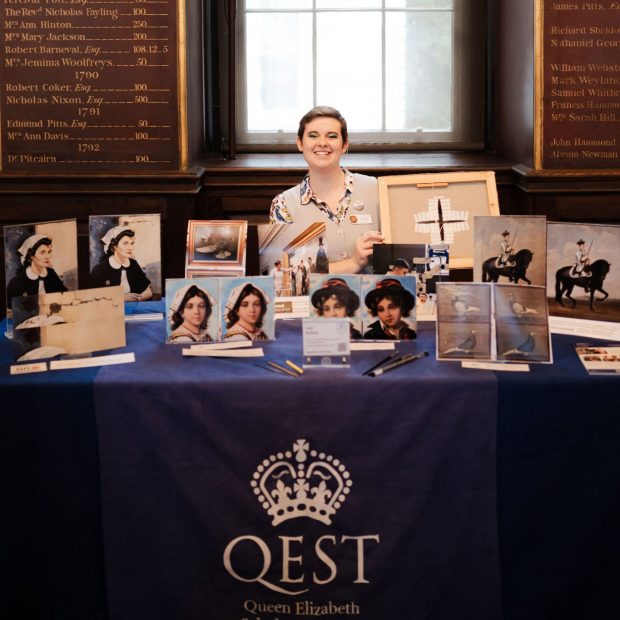
Across the QEST community, Scholars and Emerging Makers are helping to safeguard some of Britain’s most valuable historic and cultural assets through their specialist conservation work.
Preserving Books, Archives and Historic Records
Books and paper-based objects are among the most vulnerable items in our collections. Exposure to light, moisture, handling and the natural ageing process can all lead to deterioration over time.
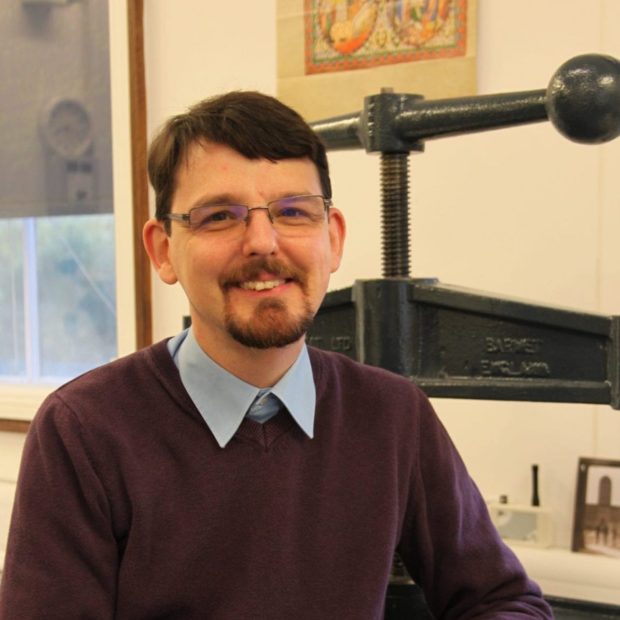
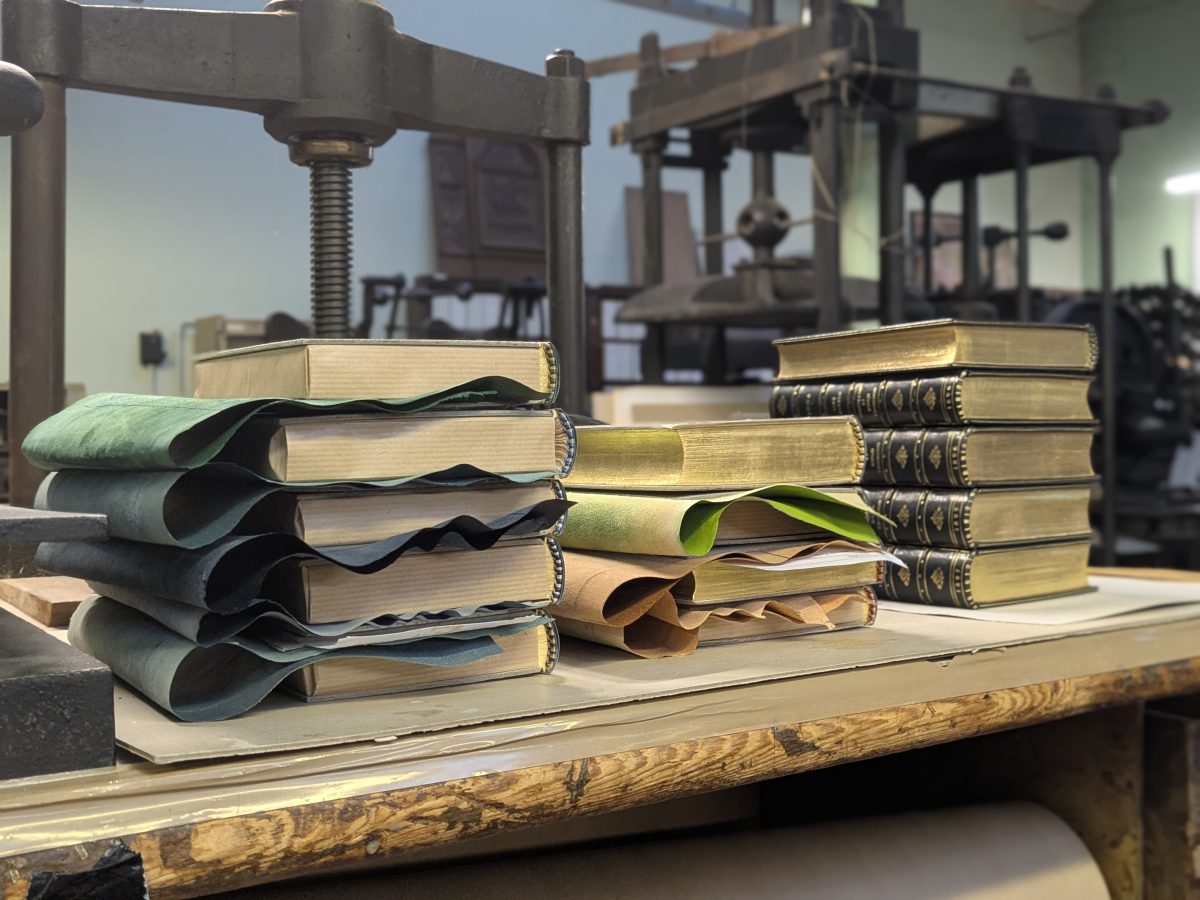
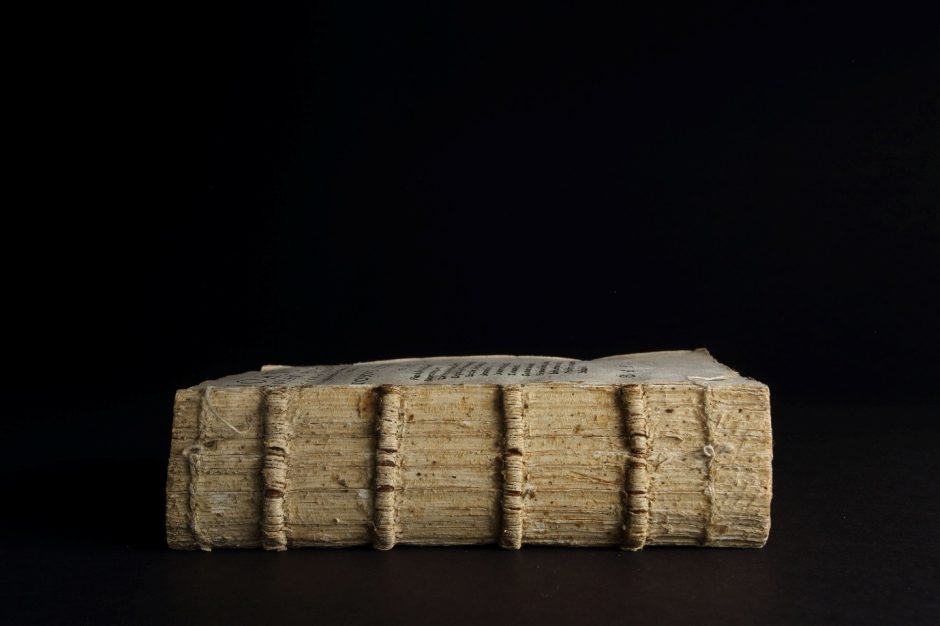
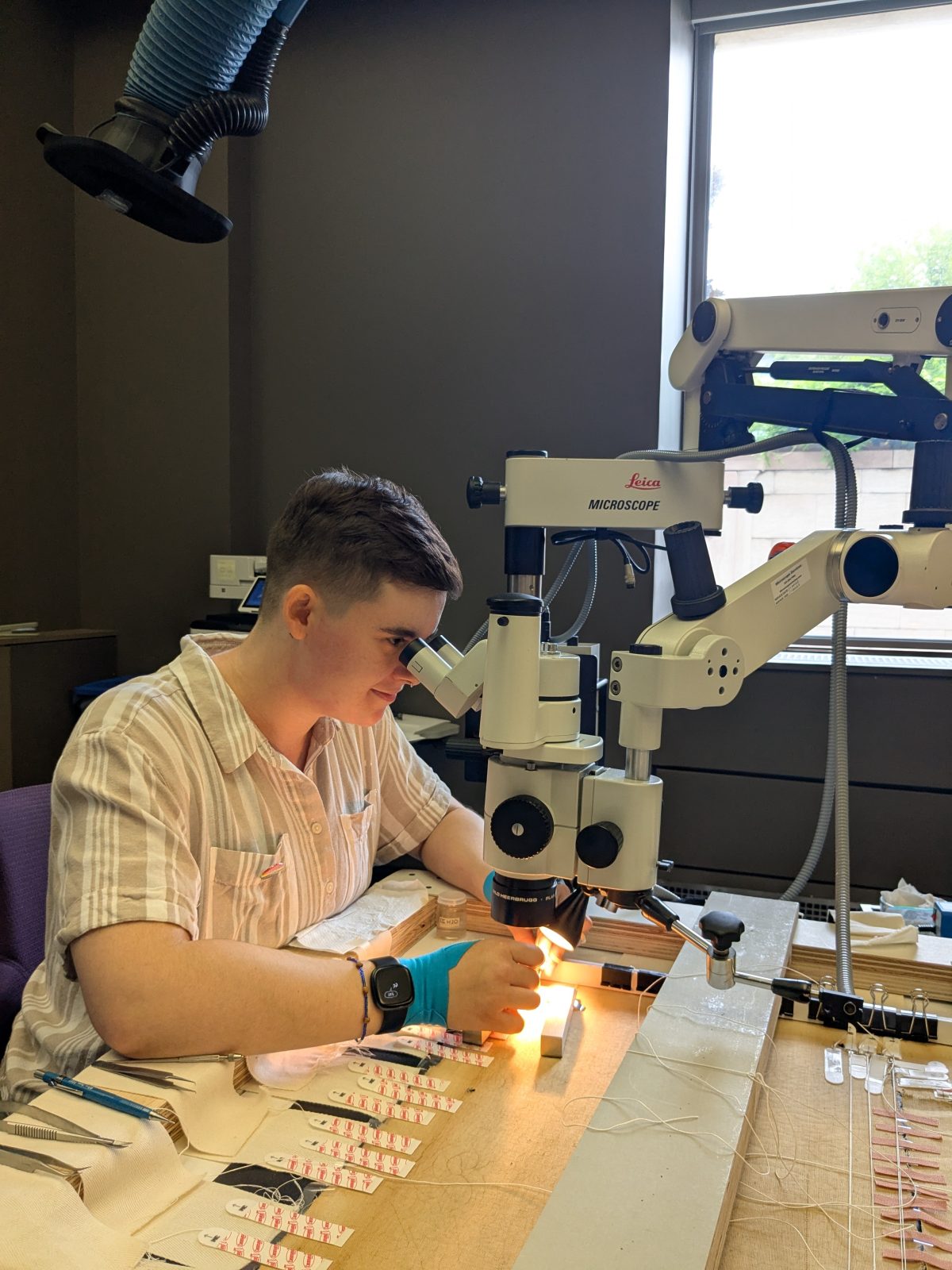
QEST Scholar Kirstin Norwood-Williams specialises in book conservation, helping to preserve rare books, manuscripts and archival material so that future generations can continue to access and learn from them. Similarly, Joshua James combines traditional bookbinding skills with conservation practice, ensuring historic volumes can continue to be studied and enjoyed while retaining their integrity.
Through painstaking work, conservators ensure that irreplaceable records of our history remain accessible for years to come.
Protecting Photography and Visual Heritage
Photographs are often fragile, susceptible to fading, discolouration and physical damage.
QEST Scholar Cass Power works in photographic conservation, preserving historic images and archives that provide valuable insights into our past. Through specialist conservation techniques, damaged photographs can be stabilised and protected, ensuring they remain part of our collective memory.
Alongside photography, conservators such as Eleanor Smith, who specialises in library materials, work to preserve the archives, documents and collections that help us understand our shared history. Through careful conservation and preventive care, these fragile records can continue to be studied for generations to come.
Conserving Works of Art
The conservation of paintings requires an extraordinary combination of technical expertise, historical research and artistic sensitivity.
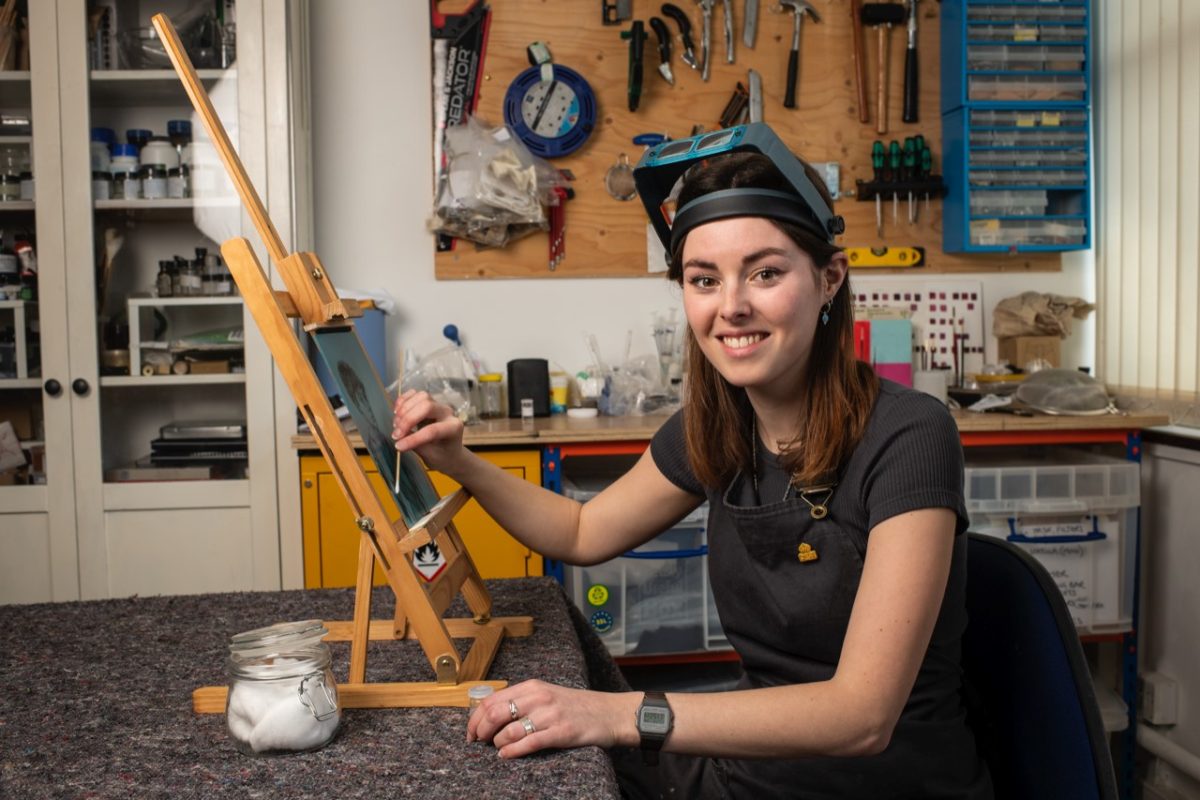
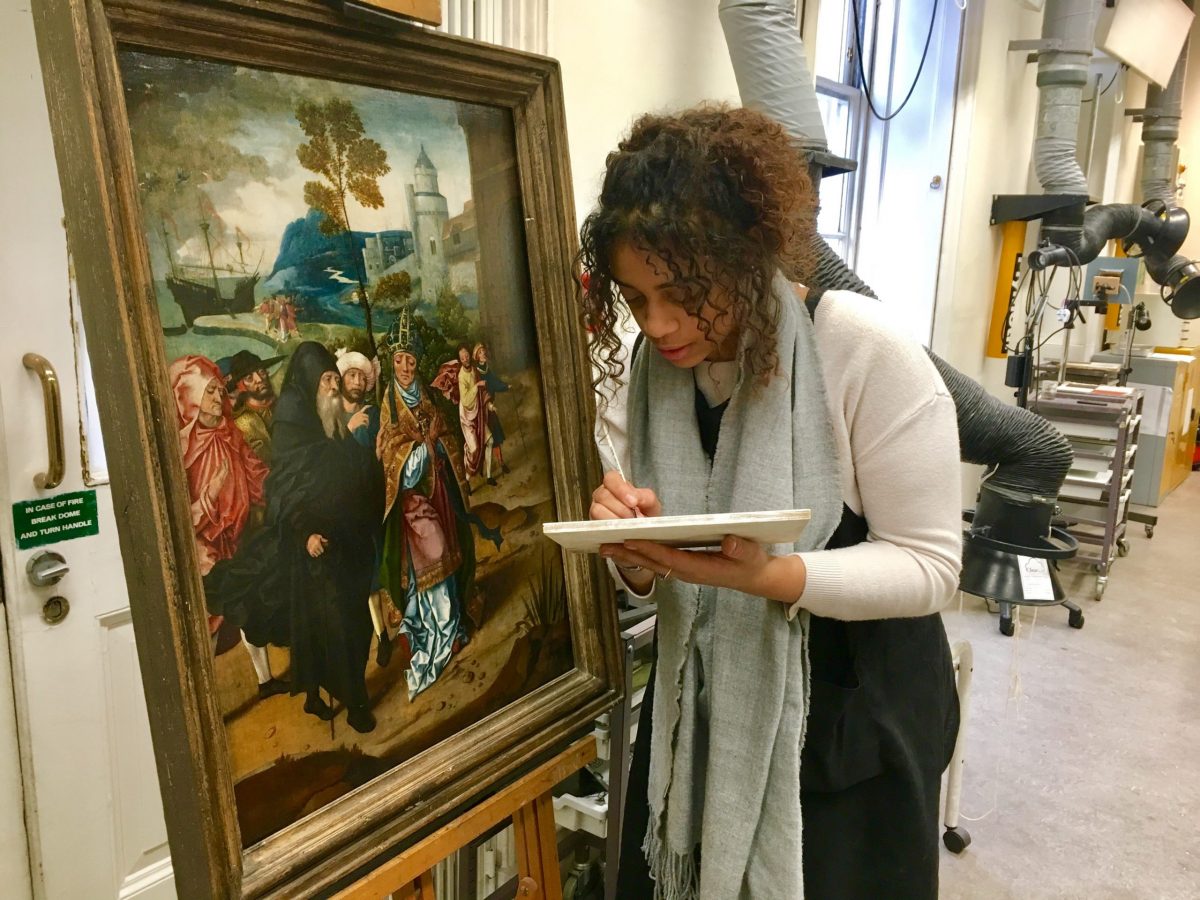
QEST Emerging Maker Sam Byfield is training as an easel painting conservator at the Courtauld Institute of Art. Their work includes cleaning paintings, repairing tears, consolidating fragile surfaces and undertaking careful restoration treatments to preserve both the physical object and the stories it holds.
Painting conservation is represented throughout the QEST community, with Scholars including Megan Levet, Catherine Doherty, Camille Polkownik and Kendall Francis helping to preserve artworks in both public and private collections.
Every treatment decision must balance protecting the artwork with preserving the intentions of the artist, making conservation as much about ethics as it is about craftsmanship.
Caring for Historic Objects
QEST Scholar Thomas Yeung specialises in lacquer conservation, working with decorative objects that require highly specialist knowledge to preserve. Such expertise helps ensure culturally significant artefacts can be studied and appreciated long into the future.
Lotte Mitchell works in ceramics conservation, restoring and stabilising ceramic objects so they can continue to be studied, displayed and enjoyed. Meanwhile, Alex Owen, a Senior Conservator at the British Museum, specialises in the conservation of plastics and contemporary materials, helping to safeguard an increasingly important area of modern heritage.
Each object presents its own unique challenges, requiring conservators to develop a deep understanding of materials, techniques and historical context.
Conserving Time
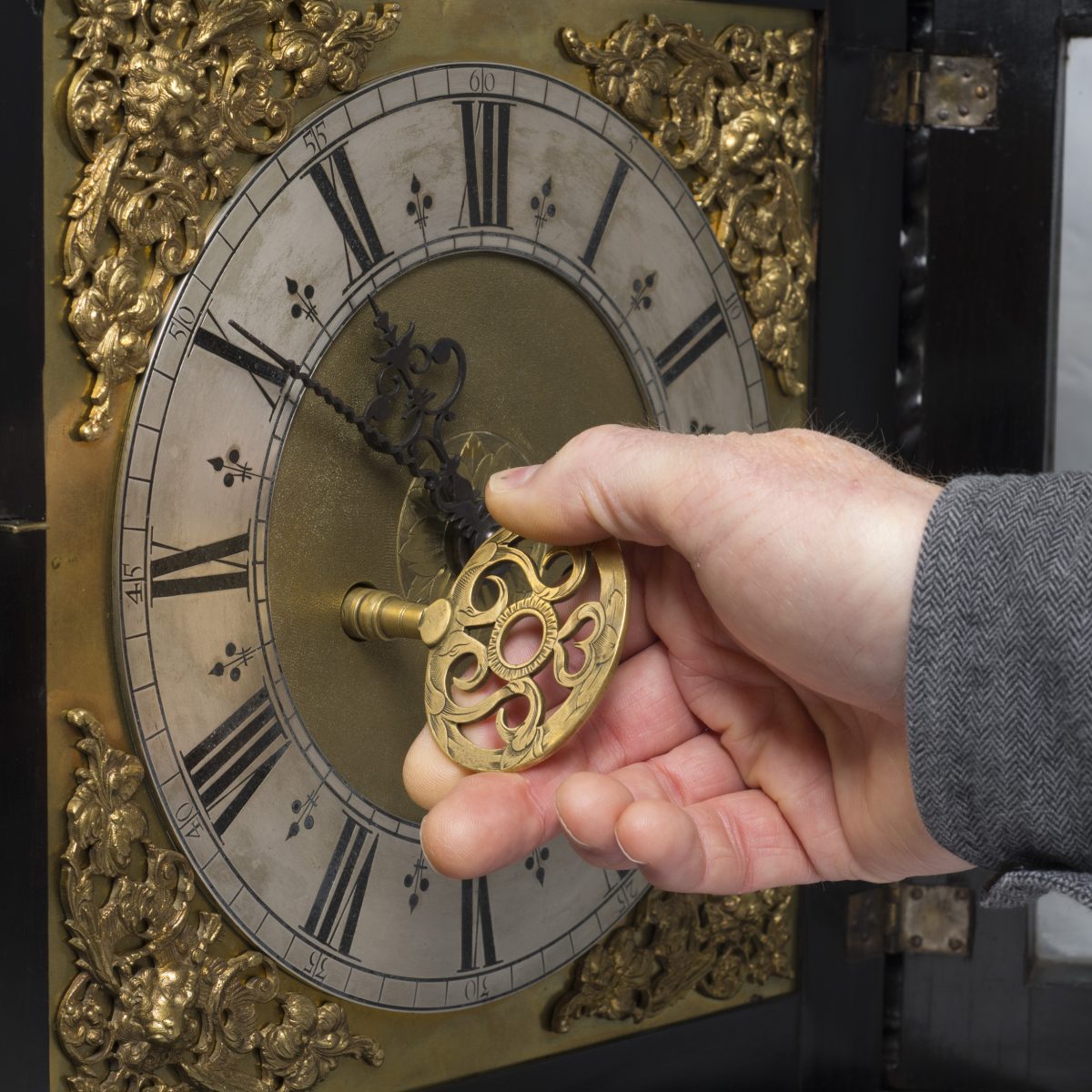
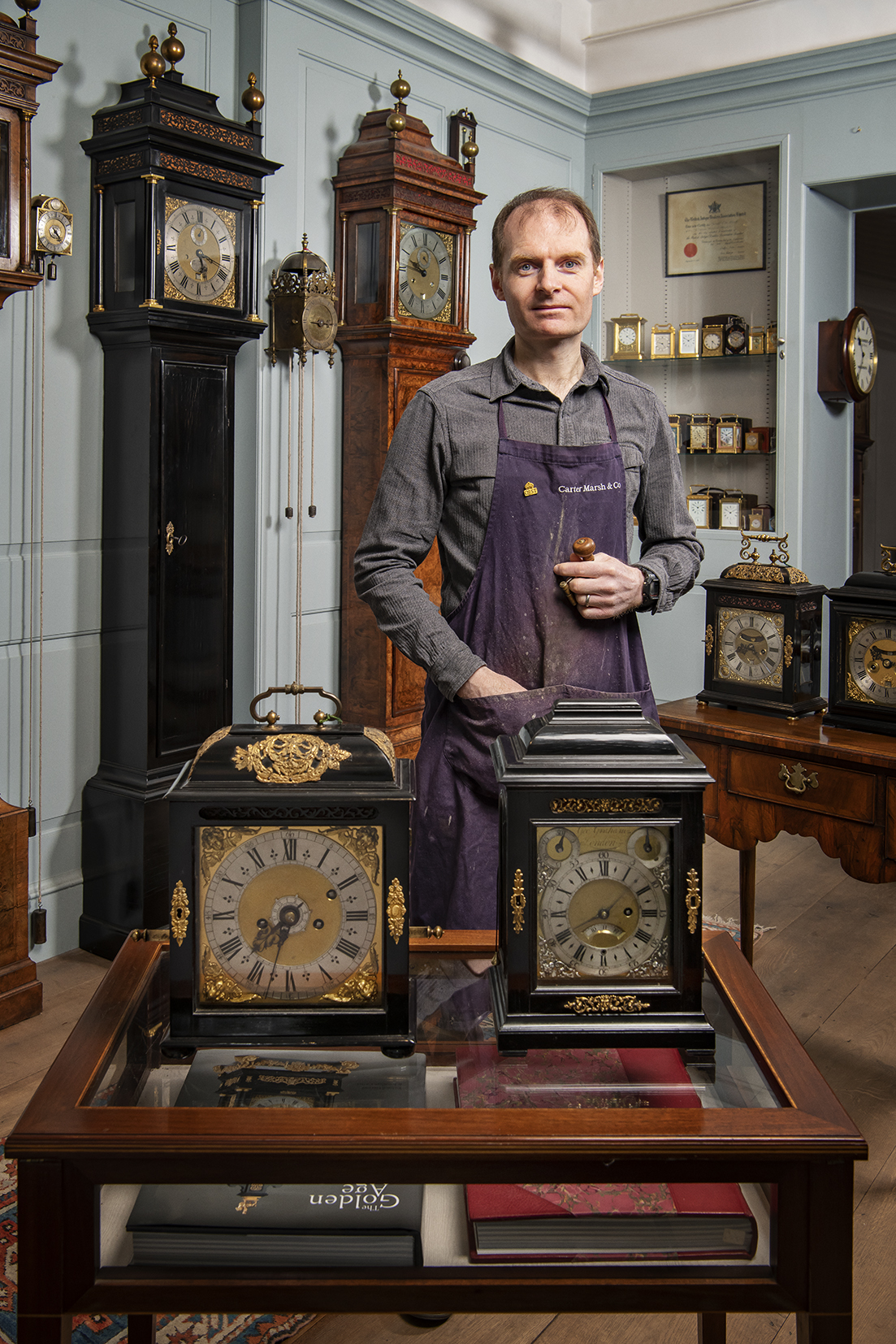
Amongst the most complex objects conservators encounter are historic clocks and timepieces. Combining engineering, craftsmanship, metallurgy and design, these intricate mechanisms require highly specialised knowledge to preserve and repair.
QEST Scholar Jonathon Kelly specialises in clock conservation and restoration, using traditional horological skills to preserve historic timepieces while respecting their historical significance. His work helps ensure antique clocks can continue to function and be appreciated by future generations.
The QEST community also includes horologists such as Lewis Walduck, who works with historic clocks through his role in the clock department at Bonhams.
These specialists demonstrate how conservation extends beyond preserving an object’s appearance. In horology, conservators must also understand the mechanics, materials and engineering that allow historic objects to continue functioning, preserving not only the object itself but the knowledge embedded within it.

Safeguarding Historic Buildings
Conservation also plays a vital role in protecting Britain’s built heritage.
QEST Scholars Helard Bishton and Izzy Knights work in stonemasonry conservation, using traditional skills to repair and maintain historic buildings and monuments. Meanwhile, Alex Hunter specialises in millwrighting and heritage restoration, helping conserve historic mills and machinery that form an important part of Britain’s industrial heritage.
Jamie Ryan combines heritage joinery with conservation and restoration skills, helping preserve historic buildings through the repair and replacement of traditional timber elements. Whilst Matthew Vaughan works across conservation, restoration, carpentry and glazing, applying traditional building crafts to the care and repair of historic structures. Murray Morrant specialises in traditional timber boatbuilding, maintaining and restoring wooden vessels while helping to preserve centuries-old maritime craft skills.
Historic interiors also require specialist care. Scholars including Sarah Randle, Ilaria Alessi and Elizabeth Woolley work in wall painting conservation, helping preserve decorative schemes that offer valuable insights into the artistic and social history of historic buildings.
These craftspeople help ensure our historic environment can continue to be experienced and understood by future generations.
Investing in the Future
Conservation is often invisible when done well. Visitors admire a painting, a building or a manuscript without ever seeing the years of skill and expertise that have gone into preserving it.
Yet these specialist skills are more important than ever. As materials age and heritage assets face growing pressures, the need for trained conservators continues to grow.
By supporting education and training in conservation disciplines, QEST helps ensure these vital skills are passed on to the next generation, protecting our shared cultural heritage for years to come.